Canadian panel seeks to add more teeth to research oversight

Public comment is invited through April 17, 2026.

A Canadian panel is proposing several changes to its guidelines for responsible conduct of research, including a provision that effectively removes any statute of limitations on investigations into potential misconduct. 

The proposed revisions, from the Canadian Panel on Responsible Conduct of Research (PRCR), are up for public comment until April 17 and have not been made official. The PRCR is an interdisciplinary review and advisory body to Canada’s three federal research funding agencies: the Canadian Institutes of Health Research, the Natural Sciences and Engineering Research Council, and the Social Sciences and Humanities Research Council. 

Continue reading Canadian panel seeks to add more teeth to research oversight

Could a national database of scientific misconduct rulings stop repeat offenders?

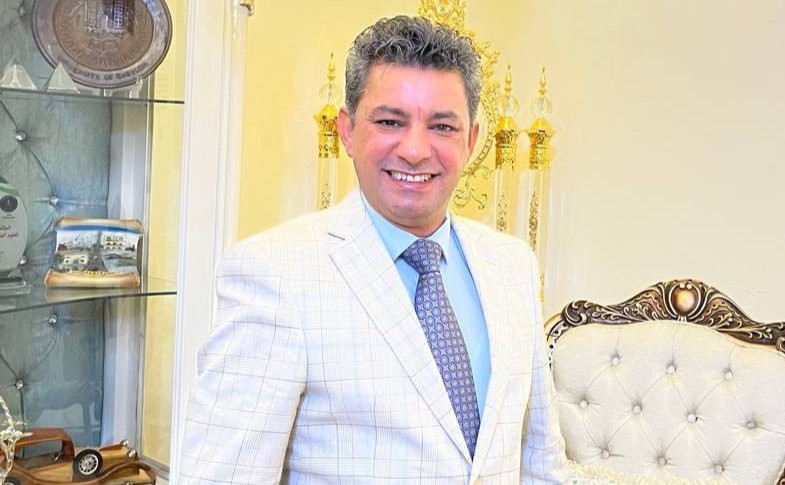
Mark Barnes (courtesy of Ropes and Gray LLC)

In an editorial published today in Science, Michael Lauer and Mark Barnes call for greater transparency in investigations of scientific misconduct with an aim toward making sure prospective academic employers know of applicants’ past misdeeds. As we’ve reported, in the absence of transparency around findings of misconduct, some universities have discovered too late they hired someone who has turned out to be a serial offender.

Lauer, who served as Deputy Director for Extramural Research at the National Institutes of Health from 2015-2025, and Barnes, a partner at Ropes and Gray LLC in Boston who has served as acting research integrity officer at several U.S. institutions, propose a tracking system similar to the National Practitioner Data Bank (NPDB). That database logs adverse actions and malpractice payments as a way to inform decisions about individual physicians by hospitals. As Lauer and Barnes note, federal law “requires a hospital to query the NPDB whenever it is considering a new applicant for medical privileges, as well as to conduct repeat queries every 2 years to make sure information on staff is up to date.” We asked Barnes to elaborate on the ideas presented in the op-ed. (He notes he is speaking only for himself here.)

Retraction Watch: You write in your op-ed universities may avoid sharing personal information — presumably including results of misconduct investigations — for fear of legal claims of defamation or violations of privacy. Are those fears valid? 

Continue reading Could a national database of scientific misconduct rulings stop repeat offenders?

Weekend reads: Half of social science ‘doesn’t replicate’; ‘Scientific ghosts: Life after retraction’; multisensory learning paper retracted

If your week flew by — we know ours did — catch up here with what you might have missed.

The week at Retraction Watch featured:

In case you missed the news, the Hijacked Journal Checker now has more than 400 entries. The Retraction Watch Database has over 64,000 retractions. Our list of COVID-19 retractions is up to 650, and our mass resignations list has more than 50 entries. We keep tabs on all this and more. If you value this work, please consider showing your support with a tax-deductible donation. Every dollar counts.

Here’s what was happening elsewhere (some of these items may be paywalled, metered access, or require free registration to read):

Continue reading Weekend reads: Half of social science ‘doesn’t replicate’; ‘Scientific ghosts: Life after retraction’; multisensory learning paper retracted

Weekend reads: ‘Illicit AI use’ in hundreds of peer reviews; 49-year-old commentary on talc retracted; co-authorship as a ‘traded commodity’

If your week flew by — we know ours did — catch up here with what you might have missed.

The week at Retraction Watch featured:

In case you missed the news, the Hijacked Journal Checker now has more than 400 entries. The Retraction Watch Database has over 63,000 retractions. Our list of COVID-19 retractions is up to 650, and our mass resignations list has more than 50 entries. We keep tabs on all this and more. If you value this work, please consider showing your support with a tax-deductible donation. Every dollar counts.

Here’s what was happening elsewhere (some of these items may be paywalled, metered access, or require free registration to read):

Continue reading Weekend reads: ‘Illicit AI use’ in hundreds of peer reviews; 49-year-old commentary on talc retracted; co-authorship as a ‘traded commodity’

Weekend reads: How to buy a scientific paper; creating responsible authorship culture; sanction authors for hallucinated references?

If your week flew by — we know ours did — catch up here with what you might have missed.

The week at Retraction Watch featured:

In case you missed the news, the Hijacked Journal Checker now has more than 400 entries. The Retraction Watch Database has over 63,000 retractions. Our list of COVID-19 retractions is up to 650, and our mass resignations list has more than 50 entries. We keep tabs on all this and more. If you value this work, please consider showing your support with a tax-deductible donation. Every dollar counts.

Here’s what was happening elsewhere (some of these items may be paywalled, metered access, or require free registration to read):

Continue reading Weekend reads: How to buy a scientific paper; creating responsible authorship culture; sanction authors for hallucinated references?

Weekend reads: ‘Don’t hate the replicator, hate the game’; Crossref finds 150K incorrect citation links in database; Announcing our Ctrl-Z award

If your week flew by — we know ours did — catch up here with what you might have missed.

The week at Retraction Watch featured:

Plus:

In case you missed the news, the Hijacked Journal Checker now has more than 400 entries. The Retraction Watch Database has over 63,000 retractions. Our list of COVID-19 retractions is up to nearly 650, and our mass resignations list has 50 entries. We keep tabs on all this and more. If you value this work, please consider showing your support with a tax-deductible donation. Every dollar counts.

Here’s what was happening elsewhere (some of these items may be paywalled, metered access, or require free registration to read):

Continue reading Weekend reads: ‘Don’t hate the replicator, hate the game’; Crossref finds 150K incorrect citation links in database; Announcing our Ctrl-Z award

Weekend reads: The LLMs ‘willing to commit academic fraud’; ‘peer replication’ instead of review; a ‘spam filter’ for predatory journals

If your week flew by — we know ours did — catch up here with what you might have missed.

The week at Retraction Watch featured:

In case you missed the news, the Hijacked Journal Checker now has more than 400 entries. The Retraction Watch Database has over 63,000 retractions. Our list of COVID-19 retractions is up to nearly 650, and our mass resignations list has 50 entries. We keep tabs on all this and more. If you value this work, please consider showing your support with a tax-deductible donation. Every dollar counts.

Here’s what was happening elsewhere (some of these items may be paywalled, metered access, or require free registration to read):

Continue reading Weekend reads: The LLMs ‘willing to commit academic fraud’; ‘peer replication’ instead of review; a ‘spam filter’ for predatory journals

Weekend reads: Institute to stop paying fees for some OA journals; sleuths’ tips for spotting fraud; Bayer sues J&J over ‘false and misleading claims’

If your week flew by — we know ours did — catch up here with what you might have missed.

The week at Retraction Watch featured:

In case you missed the news, the Hijacked Journal Checker now has more than 400 entries. The Retraction Watch Database has over 63,000 retractions. Our list of COVID-19 retractions is up to nearly 650, and our mass resignations list has 50 entries. We keep tabs on all this and more. If you value this work, please consider showing your support with a tax-deductible donation. Every dollar counts.

Here’s what was happening elsewhere (some of these items may be paywalled, metered access, or require free registration to read):

Continue reading Weekend reads: Institute to stop paying fees for some OA journals; sleuths’ tips for spotting fraud; Bayer sues J&J over ‘false and misleading claims’

Weekend reads: Did a prof invent his own ‘Nobel Prize’?; former dean omits pharma ties; AI generated quotes found in now-retracted article on AI

If your week flew by — we know ours did — catch up here with what you might have missed.

The week at Retraction Watch featured:

In case you missed the news, the Hijacked Journal Checker now has more than 400 entries. The Retraction Watch Database has over 63,000 retractions. Our list of COVID-19 retractions is up to nearly 650, and our mass resignations list has 50 entries. We keep tabs on all this and more. If you value this work, please consider showing your support with a tax-deductible donation. Every dollar counts.

Here’s what was happening elsewhere (some of these items may be paywalled, metered access, or require free registration to read):

Continue reading Weekend reads: Did a prof invent his own ‘Nobel Prize’?; former dean omits pharma ties; AI generated quotes found in now-retracted article on AI

Weekend reads: CDC’s ‘unethical’ vaccine trial; The Lancet ‘refuses to retract’ letter; on the methods used to correct science

If your week flew by — we know ours did — catch up here with what you might have missed.

The week at Retraction Watch featured:

In case you missed the news, the Hijacked Journal Checker now has more than 400 entries. The Retraction Watch Database has over 63,000 retractions. Our list of COVID-19 retractions is up over 640, and our mass resignations list has 50 entries. We keep tabs on all this and more. If you value this work, please consider showing your support with a tax-deductible donation. Every dollar counts.

Here’s what was happening elsewhere (some of these items may be paywalled, metered access, or require free registration to read):

Continue reading Weekend reads: CDC’s ‘unethical’ vaccine trial; The Lancet ‘refuses to retract’ letter; on the methods used to correct science