Retraction Watch and The Open Notebook have teamed up to offer a journalism fellowship funded by The Center for Scientific Integrity. This six-month program will equip up to six reporters and editors at local newsrooms to report stories of scientific integrity unfolding at research universities or institutions in their areas.
The scientific process is designed to be rigorous and objective, but it’s also innately human, just as prone to bad actors, tricky financial ties, and broken incentives as any other industry. With the training and mentorship provided by this fellowship, reporters will gain skills and confidence in covering issues of scientific misconduct, fraud, data manipulation, ethical missteps, and problematic publishing that frequently go uncovered at the local level.
Newsrooms working with selected fellows will receive $7,500 to support a reporting project investigating a local scientific integrity issue. Fellows will also receive one-to-one mentorship from Retraction Watch staff throughout the six-month fellowship period.
We announced the first two fellows in September. Find more details on the fellowship below. Applications are still open and will be reviewed and awarded on a rolling basis.
Free training sessions on research accountability reporting
Join the new fellows and instructors from Retraction Watch and The Open Notebook for a series of trainings on how to do research accountability reporting. These trainings are free for anyone to attend.
What is Accountability Journalism in Science and Why Does It Matter?
Monday, October 5 at 1:00 p.m. ET
The scientific process is designed to be rigorous and objective, but it’s also an industry with faults and broken systems. Learn how scientific publishing works, including how financial incentives, pressure to publish, and lacking federal regulation can create a ripe environment for misconduct.
Digging into Accountability Stories
Tuesday, October 20 at 2:00 p.m. ET
You get a tip about a researcher manipulating data or you come across a string of retracted papers—now what? Learn how to sniff out an accountability story and what steps to take early in the investigative process. We’ll talk through the online tools databases, and trusted experts available to journalists reporting on scientific integrity.
Anatomy of an Accountability Reporting Project: Following an Investigation from Start to Finish
Monday, November 2 at 1:00 p.m. ET
Like any investigative project, research accountability stories can quickly become a tangled web of conflicting reports, public records requests, and elusive sources. Learn how to keep your reporting organized and what to do when you run into obstacles. We’ll also cover best practices for publishing ironclad investigative projects and how to handle harassment. During this training, this year’s fellows will share lessons learned from their own projects.
Fellowship details
Over the course of this six-month fellowship, newsrooms will receive:
- $7,500 in funding to support reporting on a specific local issue concerning scientific accountability, such as retractions, fake data, and fraud
- One-to-one mentoring support from a Retraction Watch staff member, including honing story ideas, reporting coaching, and preliminary editing
- Virtual trainings led by staff of Retraction Watch and The Open Notebook on science accountability reporting skills such as:
- Finding and reading scientific papers
- Interviewing scientists
- Reporting on retractions
- Requesting documents and data
- Using online tools to support accountability reporting
- Invitation to join The Open Notebook’s Covering Science Slack Community for Local Journalists
Selected fellows and their newsrooms will be expected to:
- Report a story or series of stories with the ultimate goal of publication at the fellow’s outlet
- Connect with their fellowship mentor on a regular basis
- Attend and participate in virtual trainings
- Engage in Slack community discussions
- Participate in a webinar to showcase their completed reporting project
Eligibility Requirements
Any U.S.-based local or regional journalist working on staff or freelancing for a media outlet that has a research university or institution in their coverage area is invited to apply. Participating newsrooms will receive the fellowship stipend to support the fellows’ proposed reporting projects. Applicants must provide a letter of support from a staff editor at the outlet they work for or contract with.
Learn More
We held an informational webinar on Thursday, March 26 that included info about the fellowship program, the application process, and a brief primer on how to cover issues of scientific integrity at your nearby institutions. A recording is available here (passcode: H?1j+AnE).
If you have an idea you’d like to discuss, reach out to [email protected] to arrange a time.
How to Apply
Applicants will be asked to outline a story idea, any preliminary reporting done on the subject, and how the fellowship would help bring the story to fruition. Applicants will also have to provide a support letter from an editor/newsroom, as the fellowship money will be awarded to newsrooms, not individuals. Up to six fellows will be selected on a rolling basis.
About Retraction Watch
For over 15 years, Retraction Watch has delivered international reporting on research integrity, scientific misconduct, corrections to the literature, and mechanisms aimed at keeping the scientific record as healthy as possible. Retraction Watch articles are frequently picked up in the national and international press as well as in science journalism outlets. Founded in 2010, it is published by The Center for Scientific Integrity, a 501(c)(3) non-profit organization whose projects include the Retraction Watch Database, the Medical Evidence Project, the Hijacked Journal Checker, the Sleuths in Residence Program and the Elisabeth Bik Science Integrity Fund.
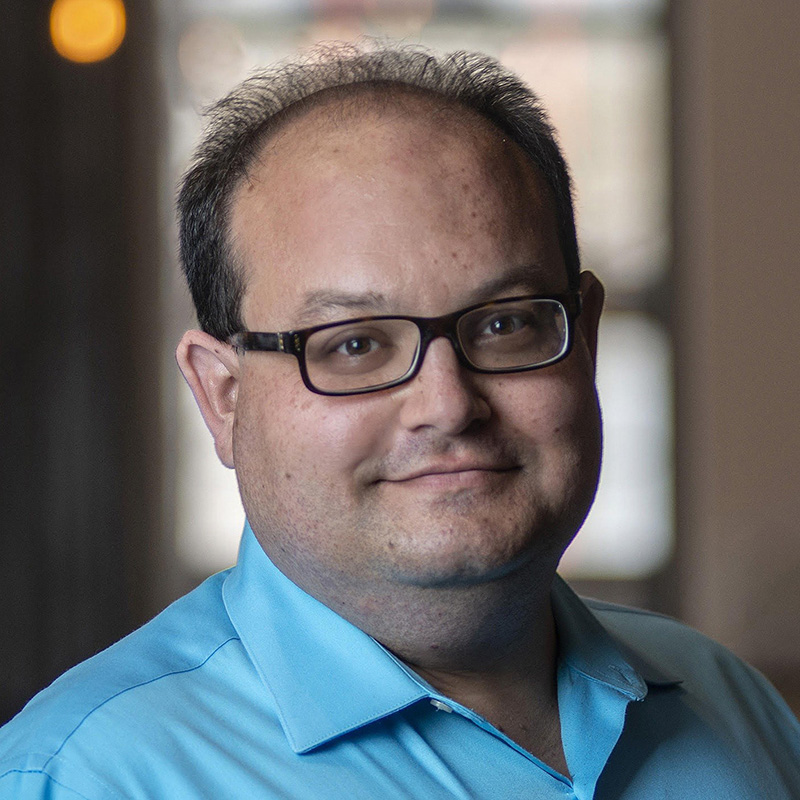
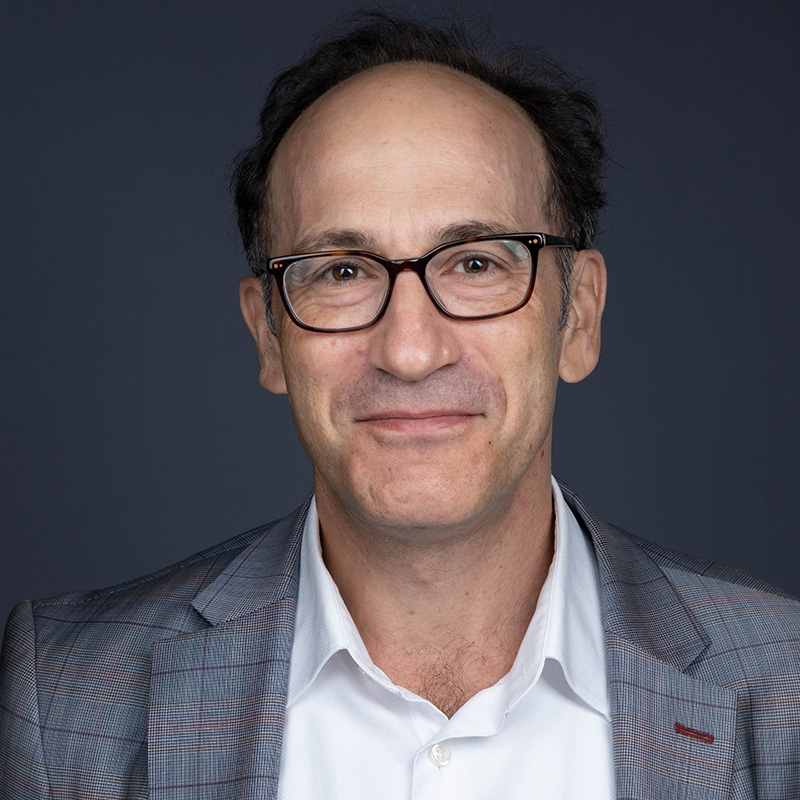
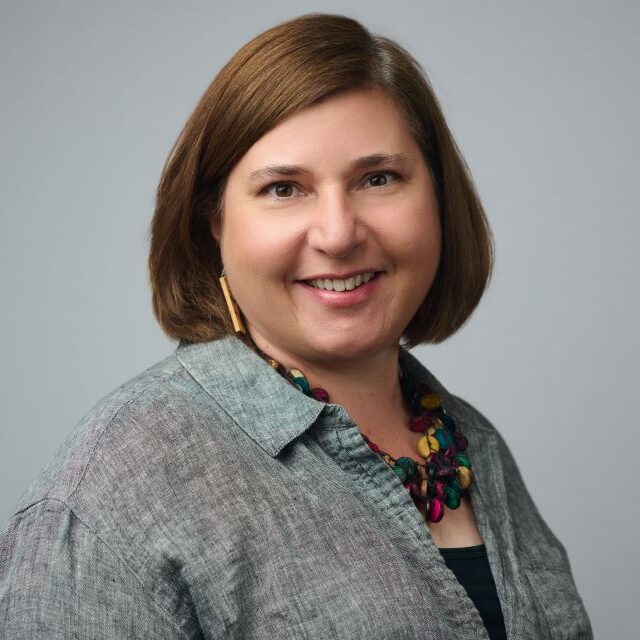
Retraction Watch is led by Ivan Oransky and Adam Marcus (Cofounders) and Kate Travis (Managing editor).
About The Open Notebook
The Open Notebook is a 501(c)(3) non-profit organization founded in 2010 that is widely regarded as the leading online source of training and educational materials for journalists who cover science. Through our comprehensive library of articles on the craft of science journalism and our extensive training and mentoring programs, we empower journalists at all experience levels, around the world, to tell impactful, engaging stories about science.
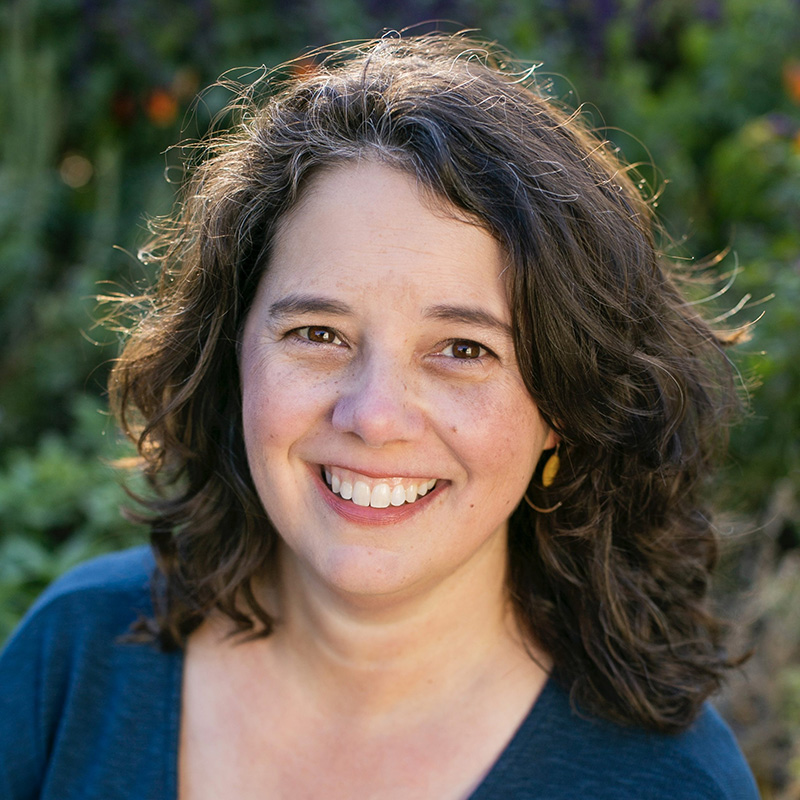
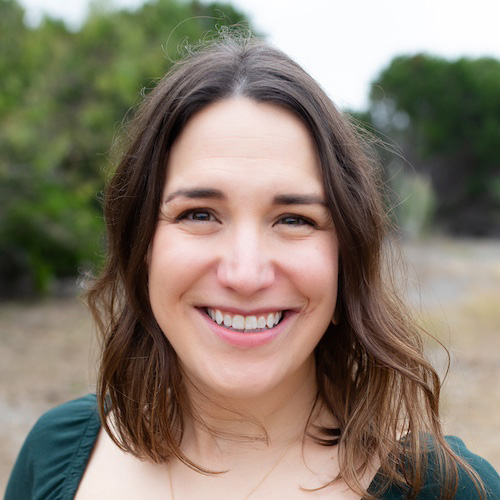
The Open Notebook is led by Siri Carpenter (Executive director) and Rachel Zamzow (Deputy executive director).
Questions?
Please email [email protected] with questions about the fellowship program or upcoming webinar.