Exclusive: News outlet killed story on plagiarism allegations after Cambridge prof hired law firm

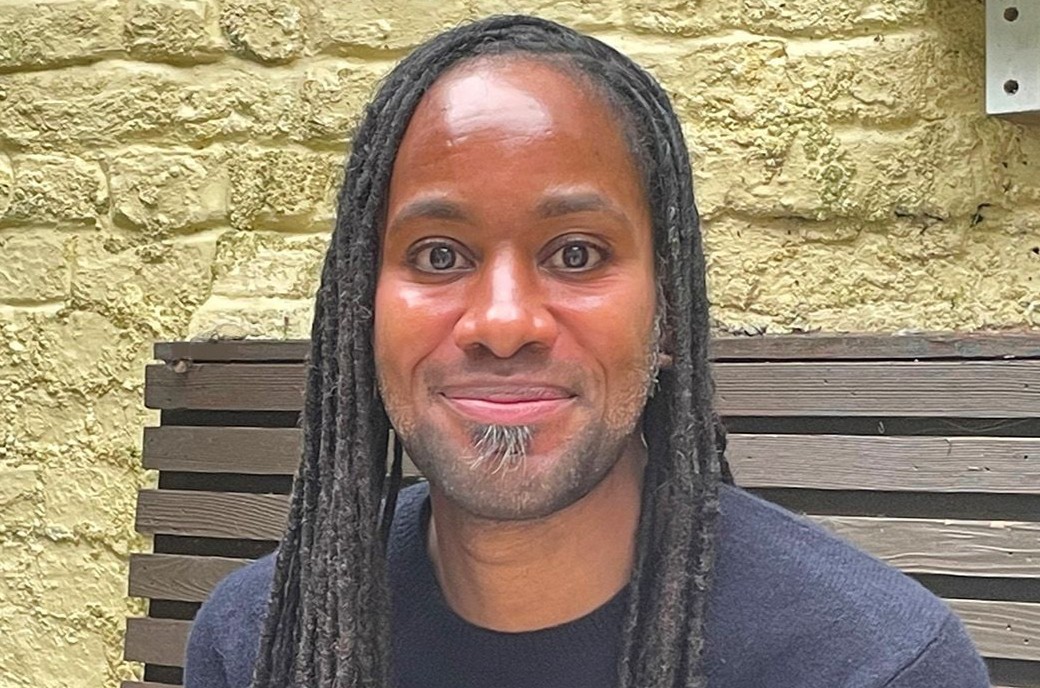
Jason Arday

In September 2025, Times Higher Education had a bombshell story in the works: A star sociology professor at the University of Cambridge had allegedly plagiarized parts of his Ph.D. thesis and several journal articles. In one of the articles, the borrowed text appeared in quotes from subjects the professor, Jason Arday, claimed to have interviewed himself. 

But after Arday enlisted Carter-Ruck, one of the United Kingdom’s leading defamation law firms, to send Times Higher Education a letter, the publication spiked the story, according to three sources who spoke to Retraction Watch.

One of the sources was David Sanders, a biochemist at Purdue University in Indiana, and a sleuth who contributes to the Times Higher Education on topics related to academic misconduct. He reviewed a 63-page dossier of text comparisons prepared by the publication last year and came back with his own findings. “There is no question that there is extensive plagiarism,” Sanders told us.

Continue reading Exclusive: News outlet killed story on plagiarism allegations after Cambridge prof hired law firm

Exclusive: A couple paid more than $800,000 for a gene-editing therapy for their daughter. She died, and it wasn’t made public

Illustration: Daria Lada

An investigation by Science and Retraction Watch has uncovered details about a clinical trial that resulted in the death of its sole patient: a 6-year-old girl with a rare genetic mutation affecting her cognitive development. Her death has never been reported publicly, even though the medical team published its preclinical work in Nature earlier this year. Also omitted from the paper and trial records: The family paid more than $800,000 to fund the therapy’s development. The family has asked the authors to withdraw the paper, and experts we spoke to raised issues they say may warrant a retraction. The beginning of the story, by Retraction Watch contributing writer Brendan Borrell, is below, lightly edited for brevity. Read the full story at Science.  


The 6-year-old girl tugged on her mother’s hand as they pressed through the doors of the hospital in Shanghai. Behind them, her father rolled a large suitcase with everything the child needed for the weeklong stay. She told her parents it felt like they were going on vacation. In fact, they brought her here for an experimental gene therapy. 

The girl was slipping behind her peers in kindergarten. She still spoke in simple sentences and ate with training chopsticks. Underneath it all was a single mutated DNA base, a T that should have been a C.

“Your ‘book’ has a small mistake, which has caused you to have a disease that affects your growth,” read the children’s version of the informed consent form from the hospital. “Over time, it can get more serious.” 

Doctors hoped to repair that mistake while her brain was still building itself. It would be a clinical trial of one, funded in part by $860,000 the parents had scraped together from their own savings and from relatives.

Continue reading Exclusive: A couple paid more than $800,000 for a gene-editing therapy for their daughter. She died, and it wasn’t made public

Exclusive: Medical student in Nepal behind busy research factory

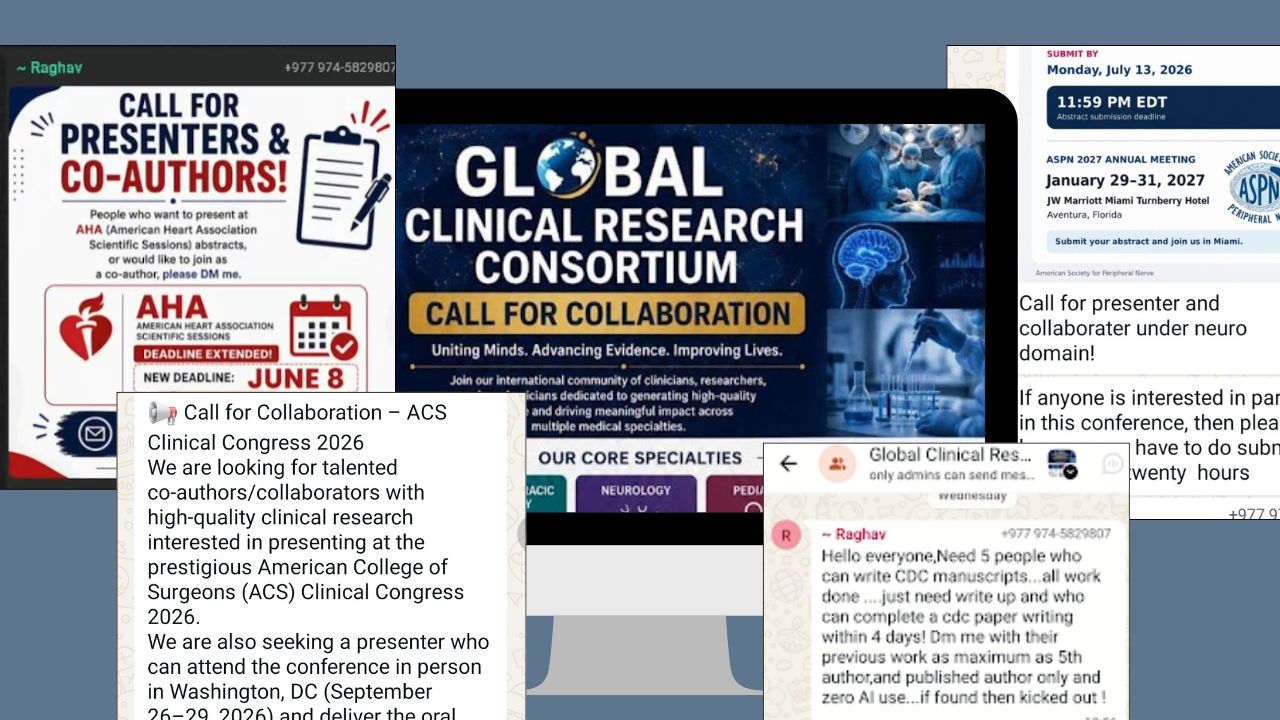
A second-year medical student in Nepal is at the center of an international research network churning out everything from systematic reviews and meta-analyses to case reports and database studies, Retraction Watch has learned.

The student, Raghabendra Kumar Mahato, leverages this network, which includes nearly 1,000 members connected through the WhatsApp messaging platform, to produce large numbers of conference abstracts and journal papers at breakneck speed, according to posts and messages we have reviewed. The work has been presented or accepted for presentation at conferences organized by the American Heart Association (AHA), the European Society for Medical Oncology (ESMO) and many other medical societies and has appeared in journals from major publishers.

But a review of dozens of WhatsApp messages we obtained and an interview with a disillusioned member of the community, called the “Global Clinical Research Consortium,” suggests the network produces fast-churn science, includes a known paper miller and treats authorship as a tradable commodity.

Continue reading Exclusive: Medical student in Nepal behind busy research factory

Exclusive: Unrest at Wiley journal whose EIC is cited in more than half of its papers

Timothy Lee of Macau University of Science and Technology was named editor-in-chief of the International Journal of Tourism Research in 2023.

On Feb. 18, a researcher in Italy sent a disgruntled email to the editorial board of a Wiley tourism journal. Salvatore Bimonte had waited more than a year for his manuscript to be peer-reviewed, he complained, and then months more while the editor-in-chief was “actively working on” the revised version Bimonte submitted. 

When Bimonte’s paper was finally rejected after 18 months — for reasons such as the topic not being “highly suitable” and the work not being submitted in the form of a case study — the researcher felt compelled to vent his frustration to the entire editorial board of the International Journal of Tourism Research (IJTR).

“Maybe, I would have been treated better if I had cited some of the editor in chief’s papers,” Bimonte, of the University of Siena, wrote in boldface in the email, which we have seen. Two days later, an unhappy editor at the journal quit, Retraction Watch has learned.

Continue reading Exclusive: Unrest at Wiley journal whose EIC is cited in more than half of its papers

Exclusive: In reversal, former vice chancellor in Pakistan who was let off hook for plagiarism faces sanctions

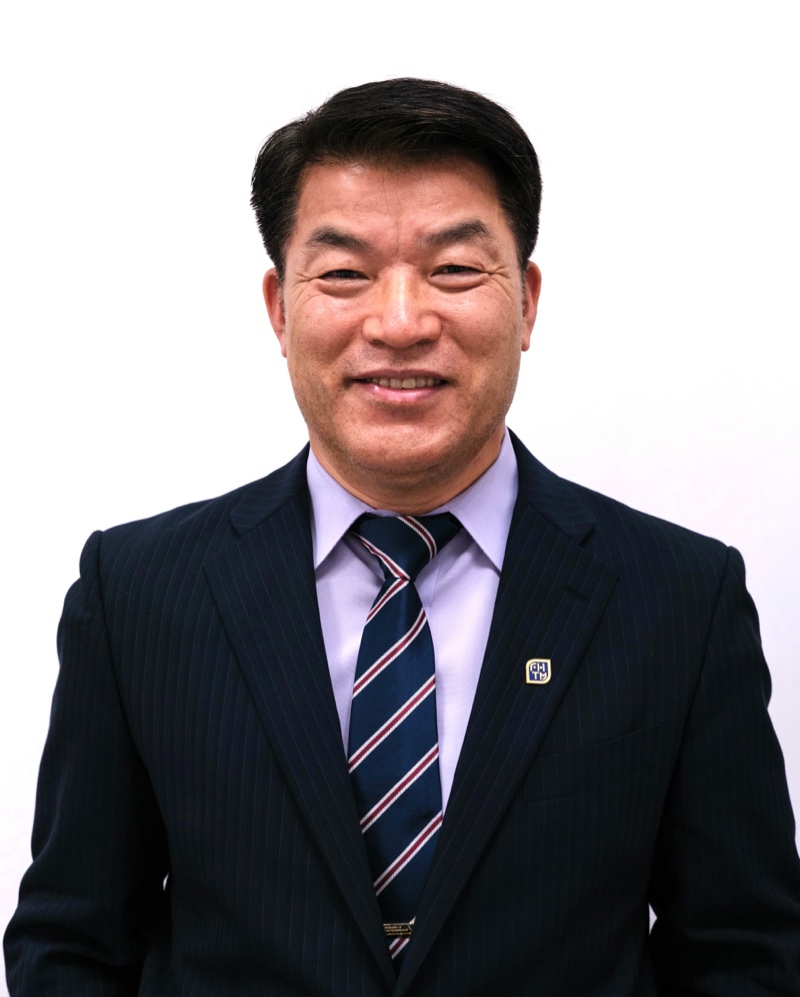
Muhammad Suleman Tahir

Three years after he was let off the hook by a government commission, a former university vice chancellor in Pakistan is facing sanctions for plagiarizing a student thesis in a paper from 2020, Retraction Watch has learned.

Muhammad Suleman Tahir, previously of Khwaja Fareed University of Engineering and Information Technology, is now professor and chair of the department of chemical engineering at the University of Gujrat. According to a report issued on November 20 by the Higher Education Commission (HEC) in Islamabad, Tahir and his coauthors have been barred from supervising graduate students for three years and also have received a warning for their offense.

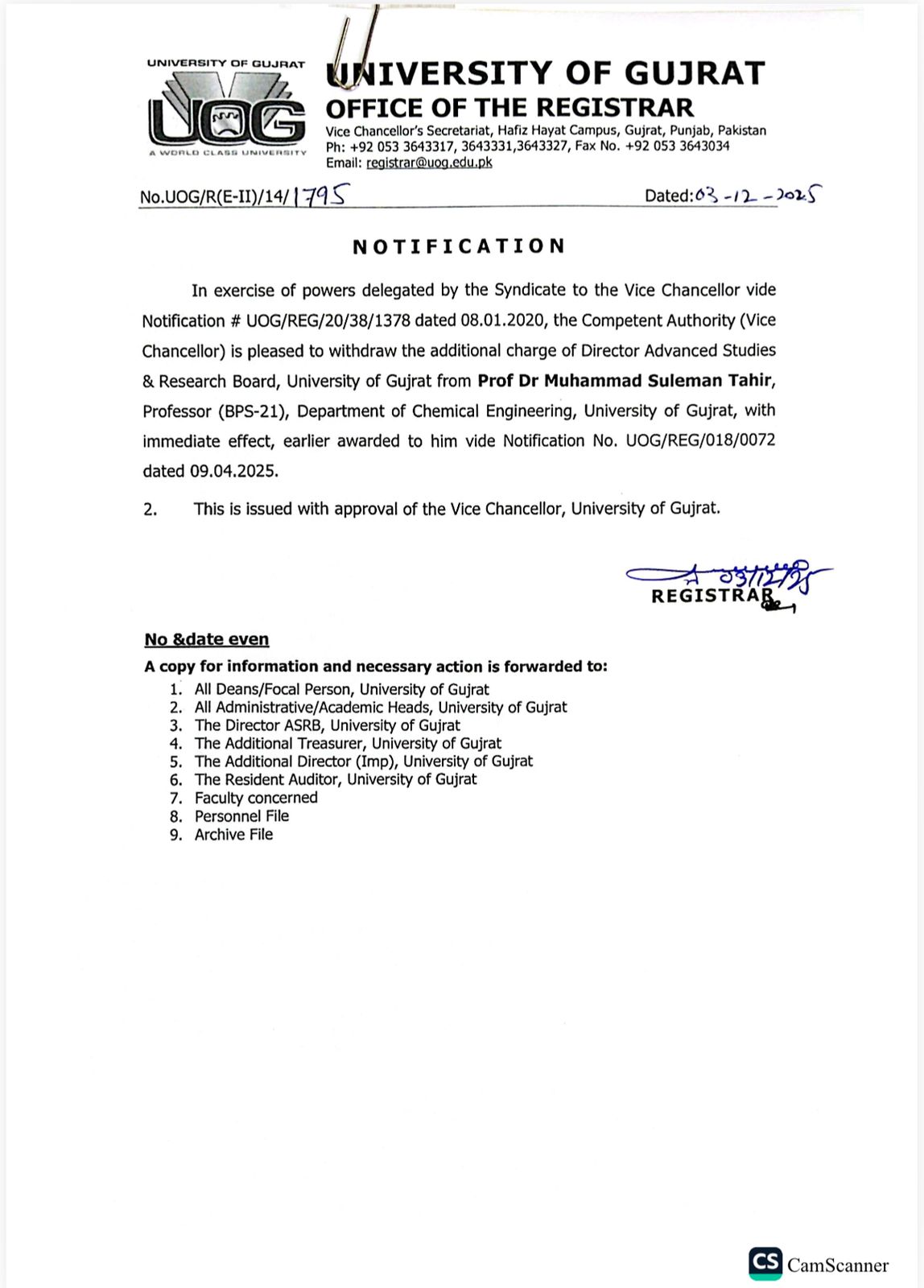
Meanwhile, the University of Gujrat removed Tahir from his position as director of the institution’s Advanced Study & Research Board on December 3, according to a notification we obtained.

Continue reading Exclusive: In reversal, former vice chancellor in Pakistan who was let off hook for plagiarism faces sanctions

Exclusive: ‘Highly problematic’ policy has Saudi university pressuring faculty to cite its research 

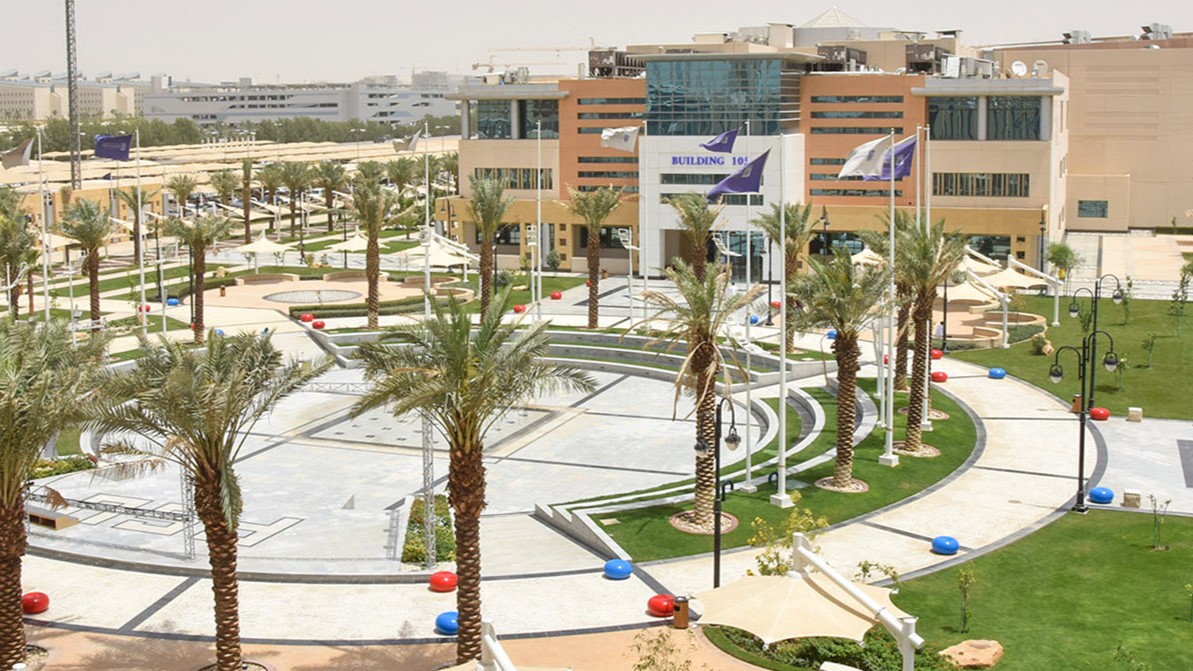
Prince Sultan University

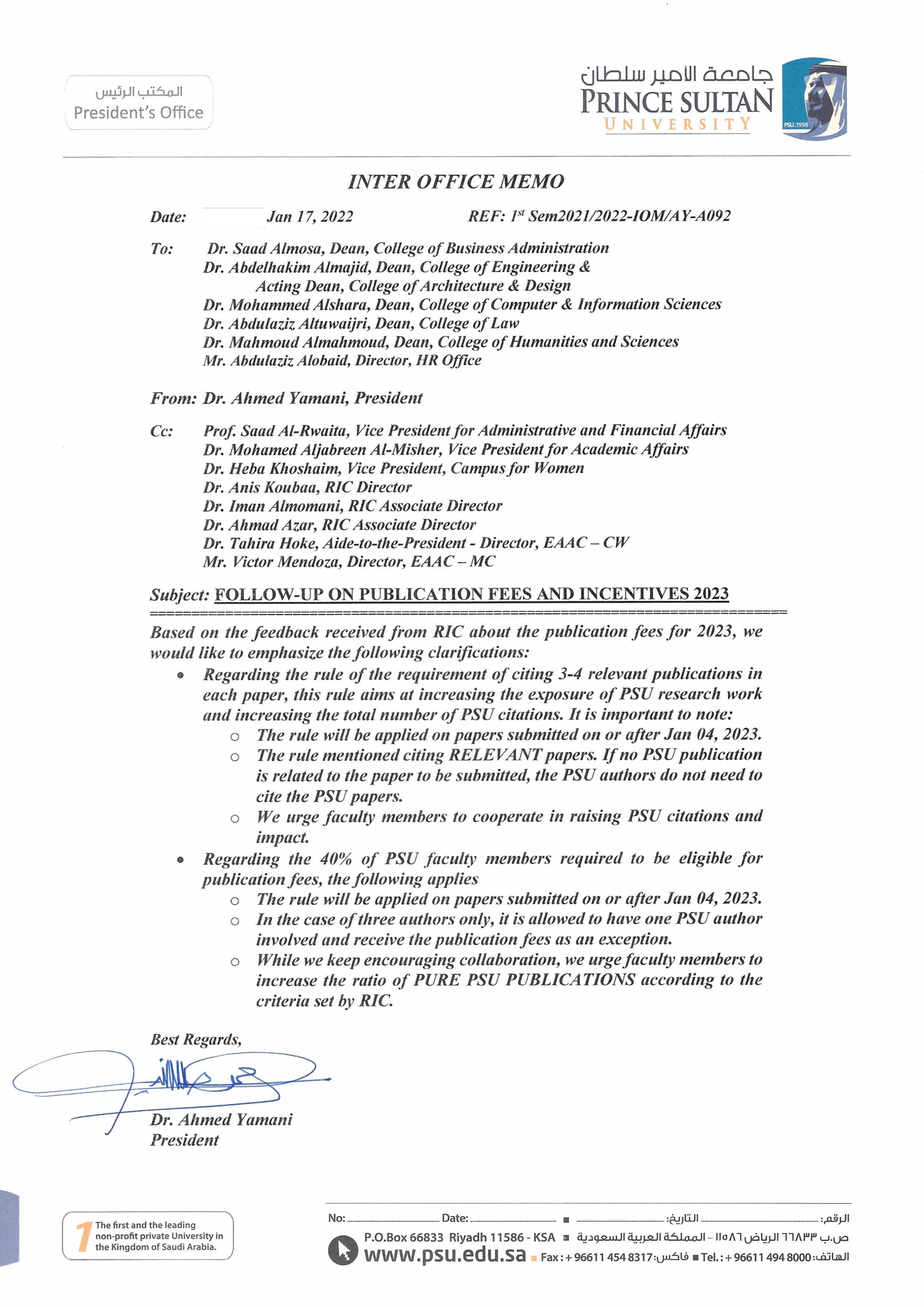
At Prince Sultan University in Saudi Arabia, faculty members must help raise their school’s academic standing not by doing impactful work, but by citing the institution’s research in their papers, according to a document Retraction Watch has obtained.

In an interoffice memo from 2022, Ahmed Yamani, president of the Riyadh-based institution, referred to “the rule of the requirement of citing 3-4 relevant publications in each paper” whose aim was “increasing the exposure of PSU research work and increasing the total number of PSU citations.”

Coordinated citation efforts can boost the rankings of institutions and individual researchers. The Committee on Publication Ethics considers citation manipulation unethical

Continue reading Exclusive: ‘Highly problematic’ policy has Saudi university pressuring faculty to cite its research 

Exclusive: Reviewer recommended against publishing paper on DNA in COVID vaccines

Rolf Marschalek was on vacation when he saw a new paper had been published in the journal Autoimmunity. Marschalek, a biochemist at Goethe University Frankfurt in Germany, was “very upset,” he told Retraction Watch – because he’d peer-reviewed the manuscript and had recommended against publication. 

The authors of the paper claimed to find DNA in mRNA-based COVID-19 vaccines above regulators’ suggested amounts. The article appeared online September 6, and within weeks the publisher began an investigation into concerns about its content, as we reported previously.

In Marschalek’s initial review, which he provided to us, he detailed how Qubit fluorometry, one of the methods the authors used to measure the amount of DNA in the vaccine vials, was “not suited” for use when samples contain much higher amounts of RNA than DNA, as is the case with mRNA-based COVID-19 vaccines. He cited a paper he and colleagues had written about methods of quantifying amounts of RNA and DNA in mRNA vaccine vials, including Qubit. 

Continue reading Exclusive: Reviewer recommended against publishing paper on DNA in COVID vaccines

Exclusive: A misconduct ruling, a flawed investigation, and an attempted payoff

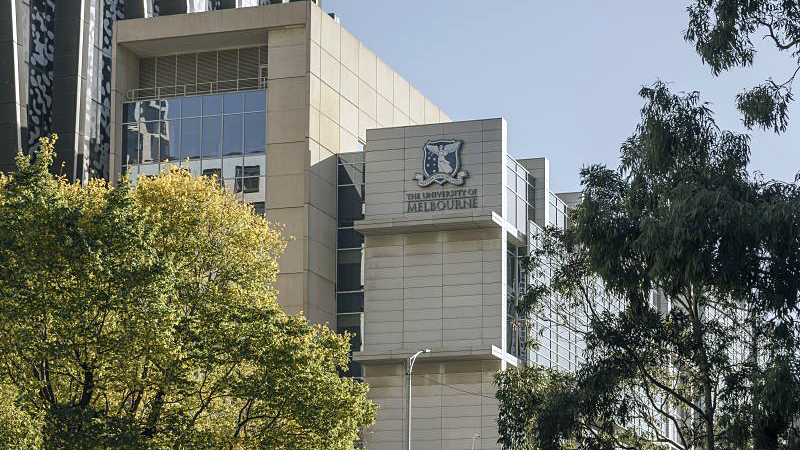
University of Melbourne

In April 2019, Daejung Kim, then a Ph.D. student at the University of Melbourne in Australia, found a draft manuscript on the desk of a postdoc in the same laboratory. The manuscript included the experimental results on metal alloys he had spent months collecting. Kim hadn’t been told about the paper, nor had anyone asked his permission to use the data. The findings were central to Kim’s Ph.D. thesis and publishing them would mean the data were no longer original. 

“I was shaking in the lab,” he recalled recently. “When I saw it, I couldn’t stop myself. I didn’t know what to do.” 

Kim took his concerns to his supervisor, Kenong Xia, a materials scientist and head of the lab, asking for his help to resolve the issue. He wanted to be credited as a coauthor on any papers using his results. He also emailed the postdoc, Ahmad Zafari, asking to see a draft of the paper. 

Continue reading Exclusive: A misconduct ruling, a flawed investigation, and an attempted payoff

Exclusive: Web of Science company involved in dubious awards in Iraq

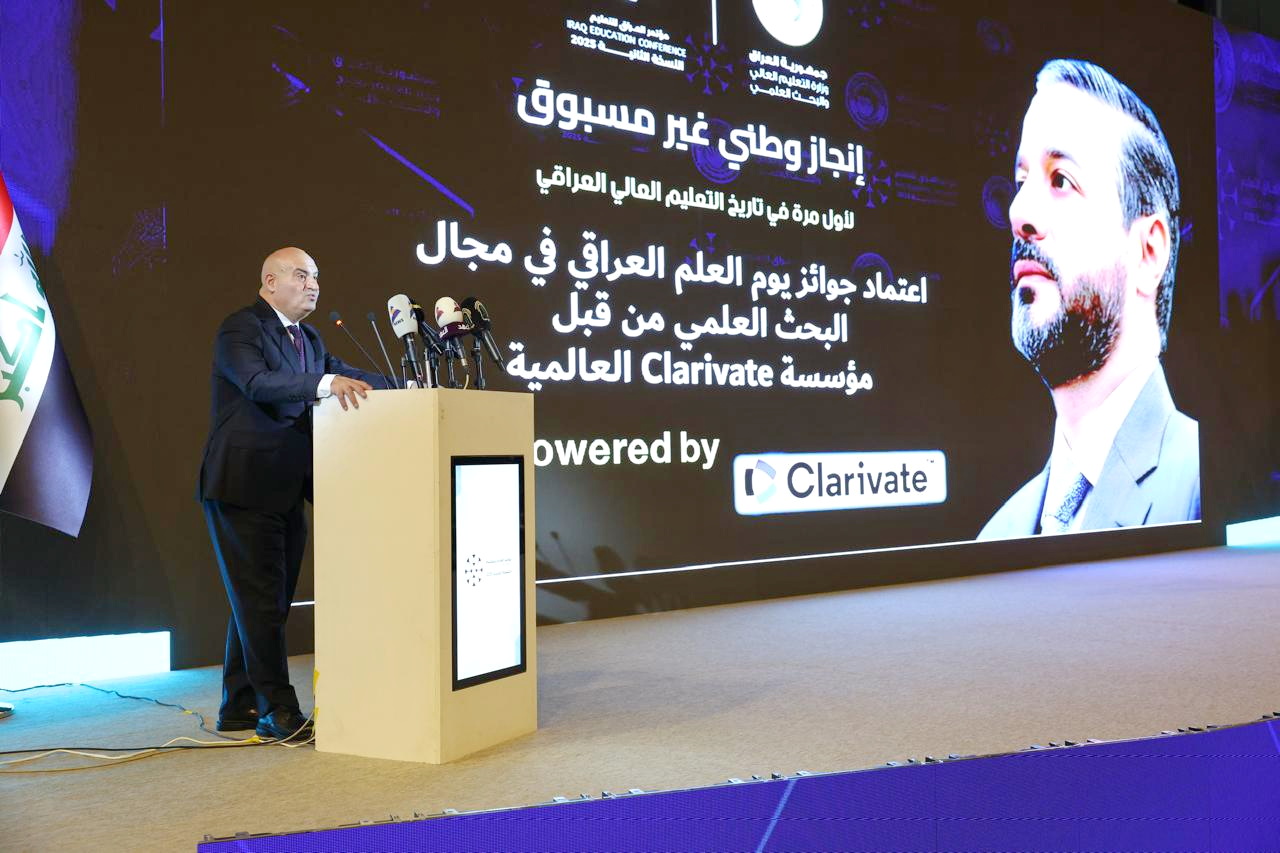
Hayder A. Dhahad, Iraq’s deputy minister for scientific research affairs, speaks at an awards ceremony at the country’s Science Day celebration.
Source: Instagram

In the string of prestigious awards Qusay Hassan, a mechanical engineer at the University of Diyala in Iraq, had received from the hands of his country’s minister for higher education and scientific research, the last two stood out: Each trophy carried the name and logo of the global analytics company Clarivate, a name seen widely as a key scholarly imprimatur.

The British-American firm runs the influential Web of Science Master Journal List, which it curates based on several quality criteria, and also calculates journal impact factors. The company says it takes retractions into account when calculating its highly coveted researcher designations

But Hassan, who has had 21 papers retracted, was one of several Iraqi scientists and institutions winning accolades at the ministry’s high-profile Iraq Education Conference 2025 in Baghdad earlier this month. At the award ceremony on October 11, a deputy minister said a Clarivate team helped develop the selection criteria for the awards, which were based on Web of Science data. Like the other winners, Hassan received his two trophies from the minister, Naeem Abd Yaser Al-Aboudi, after a Clarivate representative announced his name from the stage. 

Continue reading Exclusive: Web of Science company involved in dubious awards in Iraq

Exclusive: American Heart Association reviewing award to rocket scientist with seven retractions

The American Heart Association is reviewing its decision to give an award to the architect of a controversial theory that is the subject of eight seven retracted papers, Retraction Watch has learned. In the meantime, the researcher is using the award to contest several of the retractions. 

The Paul Dudley White International Scholar Award “recognizes the team of authors with the highest-ranked scientific abstract from every participating country for each AHA scientific meeting,” according to the award website.

At its Basic Cardiovascular Sciences 2025 conference in July, the association gave the award for best  abstract from India to work describing “Sanal flow choking” theory, which is named after lead author, V. R. Sanal Kumar, a professor of aerospace engineering at Amity University in New Delhi. As we have previously reported, some scientists have denounced the concept as “absolute nonsense” and “inaccurate and paradoxical” — and earlier this year, a journal said it “fundamentally violates” a law of thermodynamics. 

Continue reading Exclusive: American Heart Association reviewing award to rocket scientist with seven retractions