Exclusive: A couple paid more than $800,000 for a gene-editing therapy for their daughter. She died, and it wasn’t made public

Illustration: Daria Lada

An investigation by Science and Retraction Watch has uncovered details about a clinical trial that resulted in the death of its sole patient: a 6-year-old girl with a rare genetic mutation affecting her cognitive development. Her death has never been reported publicly, even though the medical team published its preclinical work in Nature earlier this year. Also omitted from the paper and trial records: The family paid more than $800,000 to fund the therapy’s development. The family has asked the authors to withdraw the paper, and experts we spoke to raised issues they say may warrant a retraction. The beginning of the story, by Retraction Watch contributing writer Brendan Borrell, is below, lightly edited for brevity. Read the full story at Science.  


The 6-year-old girl tugged on her mother’s hand as they pressed through the doors of the hospital in Shanghai. Behind them, her father rolled a large suitcase with everything the child needed for the weeklong stay. She told her parents it felt like they were going on vacation. In fact, they brought her here for an experimental gene therapy. 

The girl was slipping behind her peers in kindergarten. She still spoke in simple sentences and ate with training chopsticks. Underneath it all was a single mutated DNA base, a T that should have been a C.

“Your ‘book’ has a small mistake, which has caused you to have a disease that affects your growth,” read the children’s version of the informed consent form from the hospital. “Over time, it can get more serious.” 

Doctors hoped to repair that mistake while her brain was still building itself. It would be a clinical trial of one, funded in part by $860,000 the parents had scraped together from their own savings and from relatives.

Continue reading Exclusive: A couple paid more than $800,000 for a gene-editing therapy for their daughter. She died, and it wasn’t made public

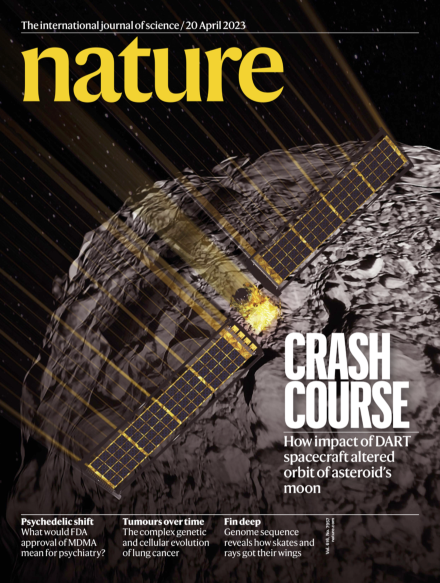
Nature retracts paper for data manipulation by Ph.D. student

Nature has retracted a paper after an investigation at a U.K. institution found the first author — then a doctoral student — manipulated data. 

The paper, which looked at the sensitivity of lung cancers to immunotherapy, appeared in April 2023 and has been cited 192 times, according to Clarivate’s Web of Science.

The retraction notice published today states first author Kevin Ng was responsible for the manipulation in the paper, including manipulated data in several figures. At the time of the experiments, Ng was a Ph.D. student at the Francis Crick Institute in London under the supervision of co-corresponding author George Kassiotis

Continue reading Nature retracts paper for data manipulation by Ph.D. student

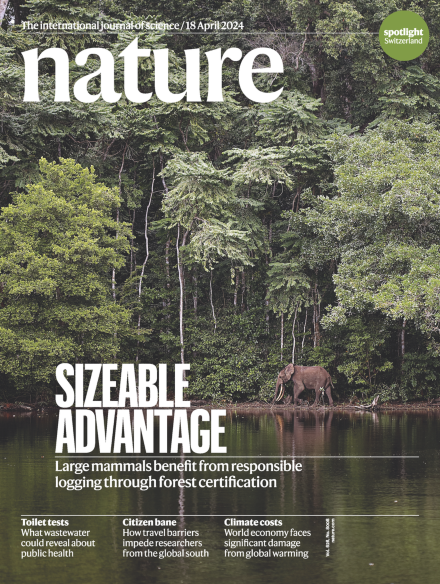
Authors retract Nature paper projecting high costs of climate change

The authors of a highly publicized study predicting climate change would cost $38 trillion a year by 2049 have retracted their paper following criticism of the data and methodology, including that the estimate is inflated. 

The economic commitment of climate change,” which appeared April 17, 2024, in Nature, looked at how changes in temperature and precipitation could affect economic growth. Forbes, the San Diego Union-Tribune and other outlets covered the paper, which has been accessed over 300,000 times. It has been cited 168 times, according to Clarivate’s Web of Science.

But after two commentaries published this August raised questions about the study’s data and methodology, the researchers revisited their findings. “The authors acknowledge that these changes are too substantial for a correction,” the retraction notice, published today, states. 

Continue reading Authors retract Nature paper projecting high costs of climate change

27-year-old Nature paper earns expression of concern

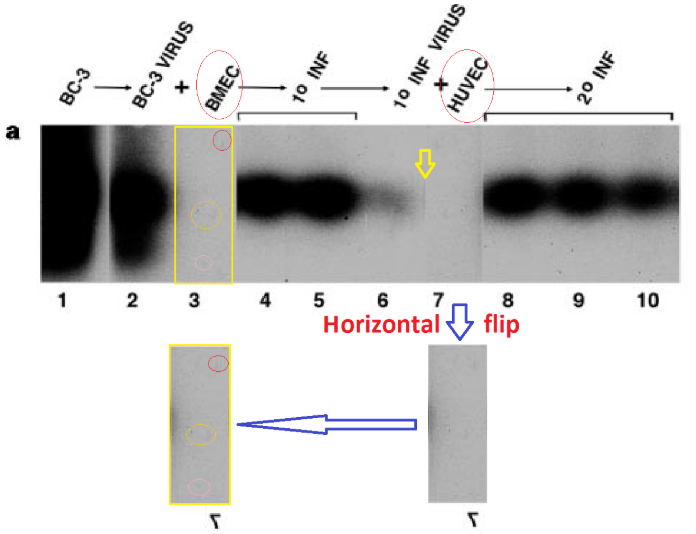
Figure 1a in a 1998 paper was first flagged on PubPeer in 2016 for image irregularities.

Nature has issued an editorial expression of concern on a paper published 27 years ago — and nearly nine years after learning of an “irregularity” in a figure.

According to the June 18 statement, a figure in the 1998 paper showed duplicated control lanes, with one of them flipped. 

Pseudonymous sleuth Claire Francis flagged the issue on PubPeer in 2016, and reported the problem to the journal at the same time, Francis told Retraction Watch. 

Continue reading 27-year-old Nature paper earns expression of concern

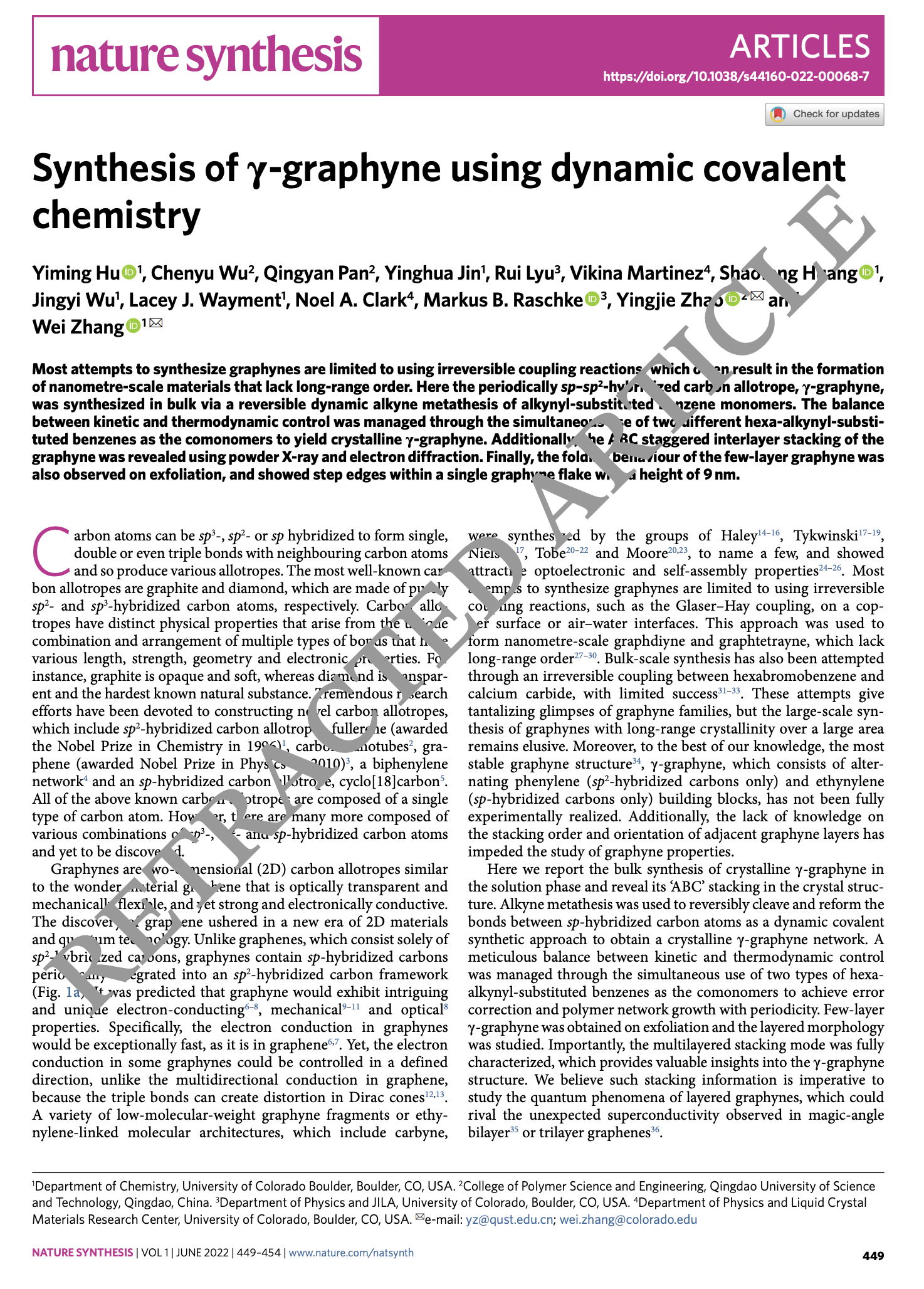
Faked data prompts retraction of Nature journal study claiming creation of a new form of carbon

The journal Nature Synthesis has pulled a high-profile article describing the creation of a new type of carbon after a university investigation found some data were made up.

“The authors of the original paper claimed to have created an entirely new form or carbon, graphyne, which is fundamentally different common diamond or graphite,” said Valentin Rodionov, an assistant professor at Case Western Reserve University in Cleveland, Ohio, whose team has been investigating the now-retracted work for the past two years. 

“If true, this would have been a groundbreaking discovery,” Rodionov told Retraction Watch. His team described its findings in a commentary published on September 2 in the journal. 

Continue reading Faked data prompts retraction of Nature journal study claiming creation of a new form of carbon

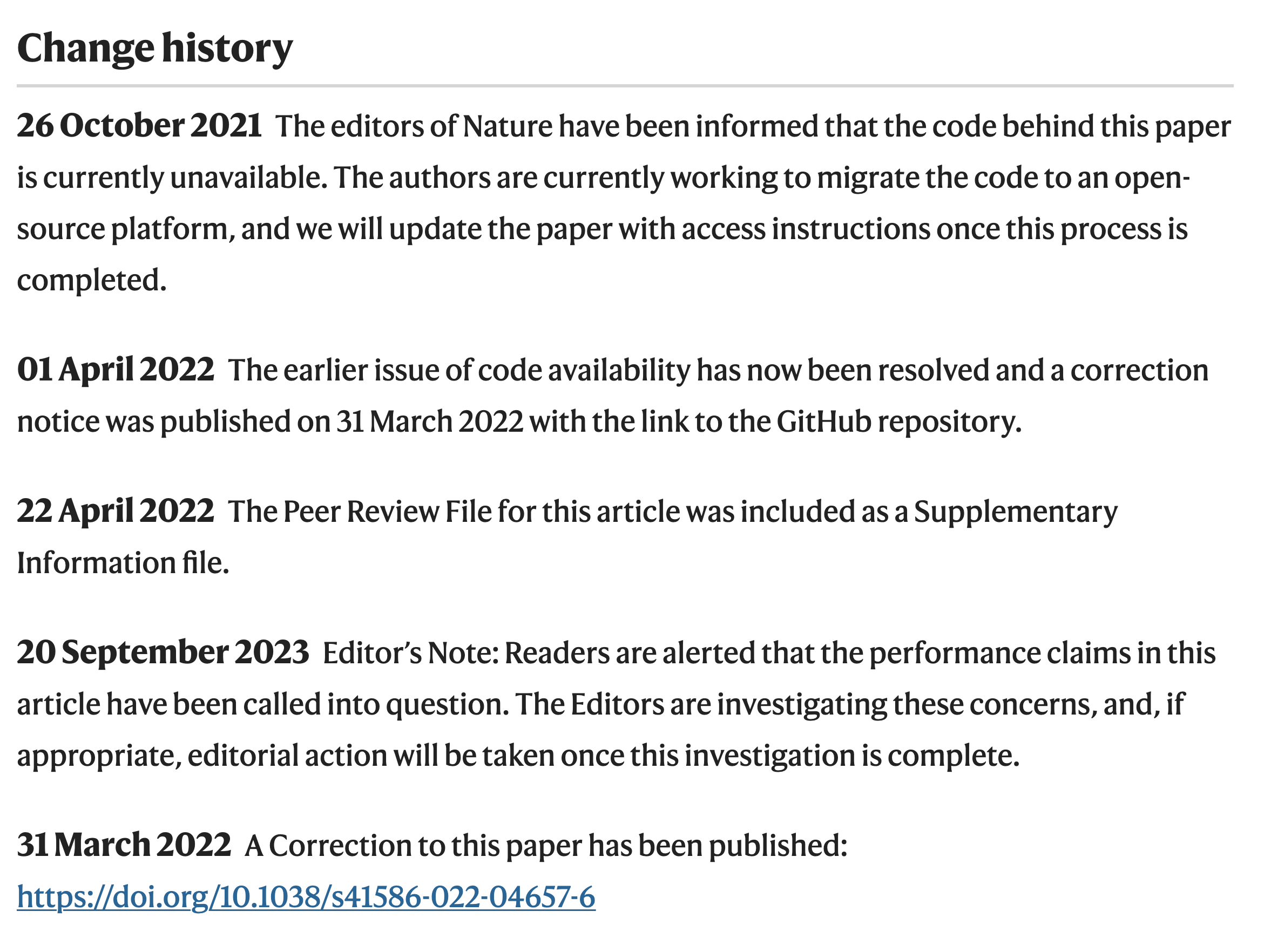
Nature flags doubts over Google AI study, pulls commentary

A new editor’s note in Nature highlights concerns about a paper by Google researchers who claimed computer chips designed in just a few hours using artificial intelligence beat chip plans that human experts took months to develop.

In the note, published September 20, the journal stated:

Readers are alerted that the performance claims in this article have been called into question. The Editors are investigating these concerns, and, if appropriate, editorial action will be taken once this investigation is complete. 

Continue reading Nature flags doubts over Google AI study, pulls commentary

Britney Spears story “remains as part of the publication record,” says Nature

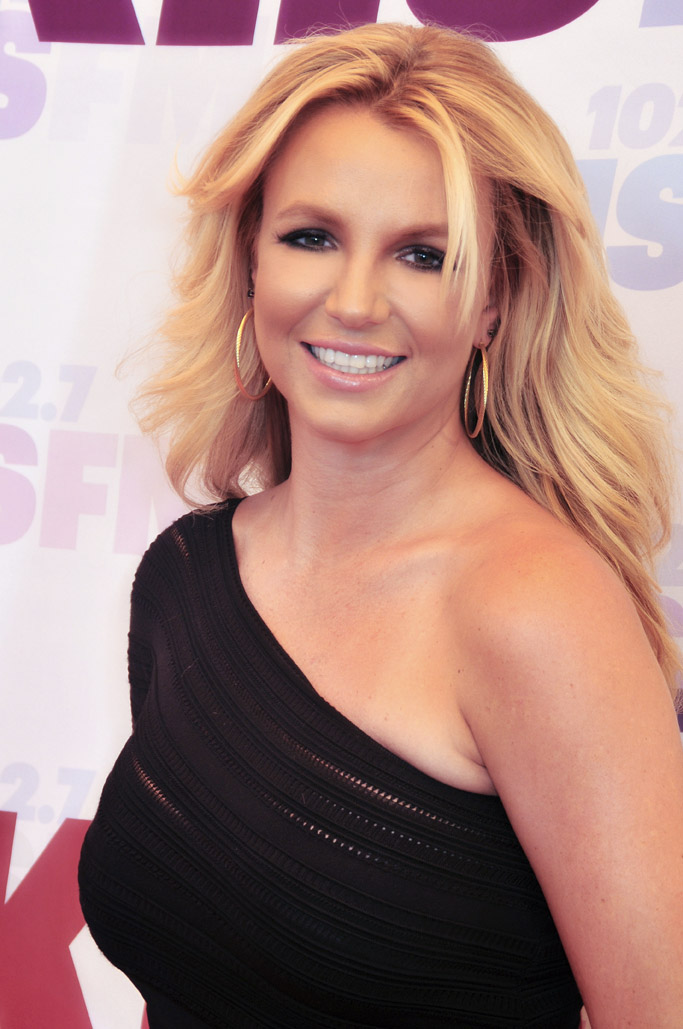
Britney Spears in 2013 (Glenn Francis)

A 2008 story in Nature about Britney Spears that prompted an apology from the author and the journal earlier this week “remains as part of the publication record,” Nature said in an editor’s note.

The story, titled “When Britney Spears comes to my lab,” appeared in a section of the journal called Nature Futures and refers to Spears “wearing a silver strapless stretch top that doesn’t show too much of her belly (unless she actually moves her arms), and black Capri pants with a little dip in the waistband.” 

Spears, it said, would eventually go on to earn a PhD from Harvard and develop a treatment for diabetes. Before that, however, “Britney will pump out a lot of good data (she is something of a workaholic), but gradually, with her music, her intermittent marriages and pregnancies, not to mention her classes, the amount of time she spends in lab will begin to dwindle.”

In a note appended to the article sometime this week, following thousands of tweets and a Retraction Watch post, the editors write:

Continue reading Britney Spears story “remains as part of the publication record,” says Nature

Britney Spears story prompts apology from Nature and author

Britney Spears in 2013 (Glenn Francis)

Britney Spears has, as Retraction Watch readers no doubt know, been in the news a great deal lately, as the battle over her father’s “broad control over her life and finances” plays out in court. But a science fiction story about Spears that published in Nature in 2008 — the year Spears’ father was appointed her conservator — has prompted apologies from its author and the journal.

The story, which appeared in a section of the journal called Nature Futures, is titled “When Britney Spears comes to my lab.” It begins:

When Britney Spears comes to [Louisiana State University] LSU she’ll be wearing a silver strapless stretch top that doesn’t show too much of her belly (unless she actually moves her arms), and black Capri pants with a little dip in the waistband.

That and other passages in the piece — in which Spears goes on to earn a PhD from Harvard and discover a treatment for diabetes — caught the attention of more than 1,000 Twitter users since Friday. Many questioned why Nature would publish it. An example:

Continue reading Britney Spears story prompts apology from Nature and author

Nature Communications looking into paper on mentorship after strong negative reaction

A Nature journal has announced that it is conducting a “priority” investigation into a new paper claiming that women in science fare better with male rather than female mentors. 

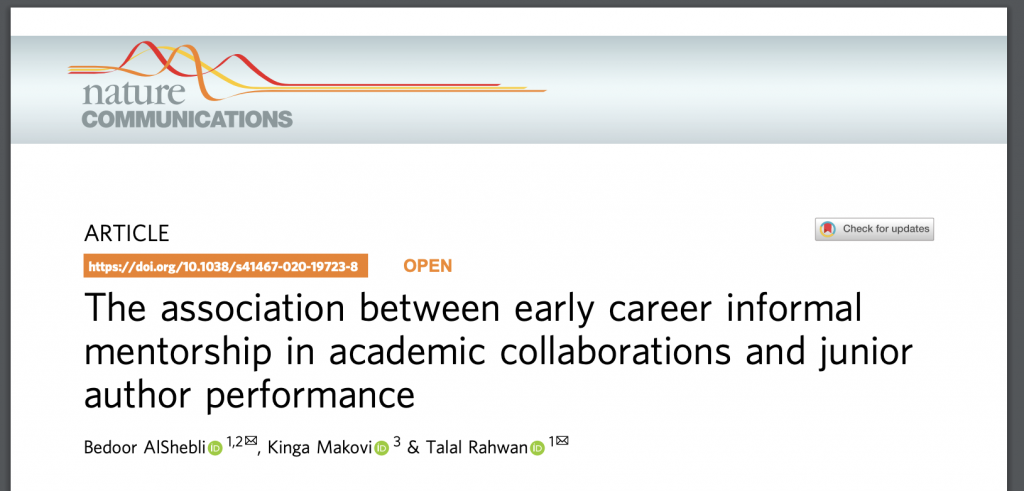
The article, “The association between early career informal mentorship in academic collaborations and junior author performance,” appeared in Nature Communications on November 17, and was written by a trio of authors from New York University’s campus in Abu Dhabi. 

According to the abstract: 

Continue reading Nature Communications looking into paper on mentorship after strong negative reaction

Springer Nature journal takes eight months to retract paper after US government misconduct finding

Alexander Neumeister

A Springer Nature journal waited eight months to retract a paper flagged by the Office of Research Integrity for containing fabricated data — a delay the publisher blames on “staff changes and human error.”

The 2014 article in Neuropsychopharmacology by Alexander Neumeister included “falsified and/or fabricated research methods and results,” according to the findings of the ORI investigation, which were reported in late December of last year. But the retraction notice is dated September 8, 2020. 

The notice itself sounds a lot like a child who says “I’m invisible because my eyes are closed.” It reads

Continue reading Springer Nature journal takes eight months to retract paper after US government misconduct finding