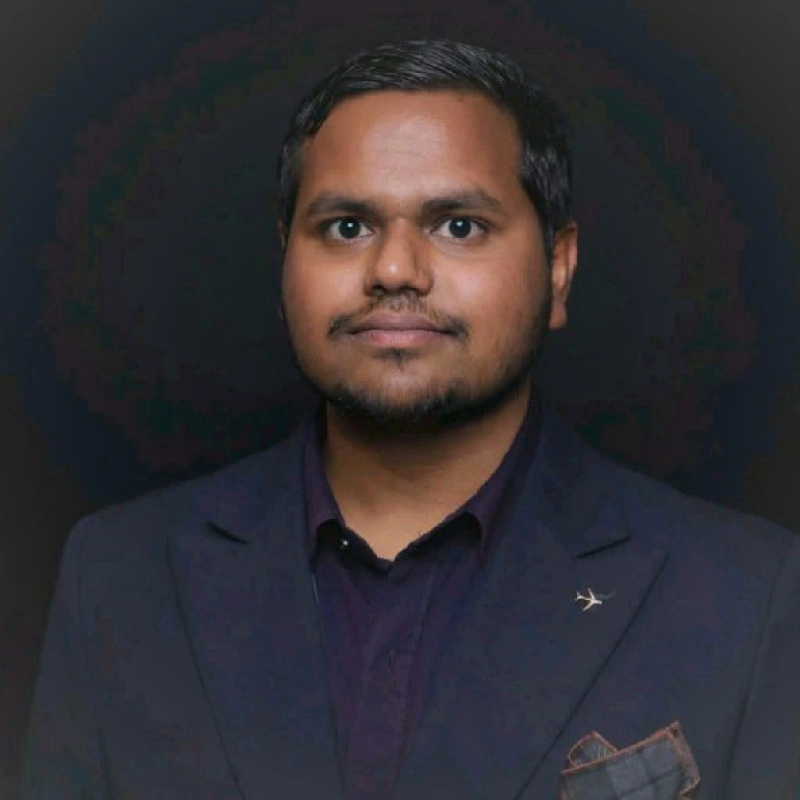
Retraction Watch story exposing research factory fuels investigations, preprint withdrawals, termination
Raghabendra Kumar Mahato

A preprint server has withdrawn three papers by an author at the center of a Retraction Watch story revealing a prolific research factory operated through the WhatsApp messaging system.  

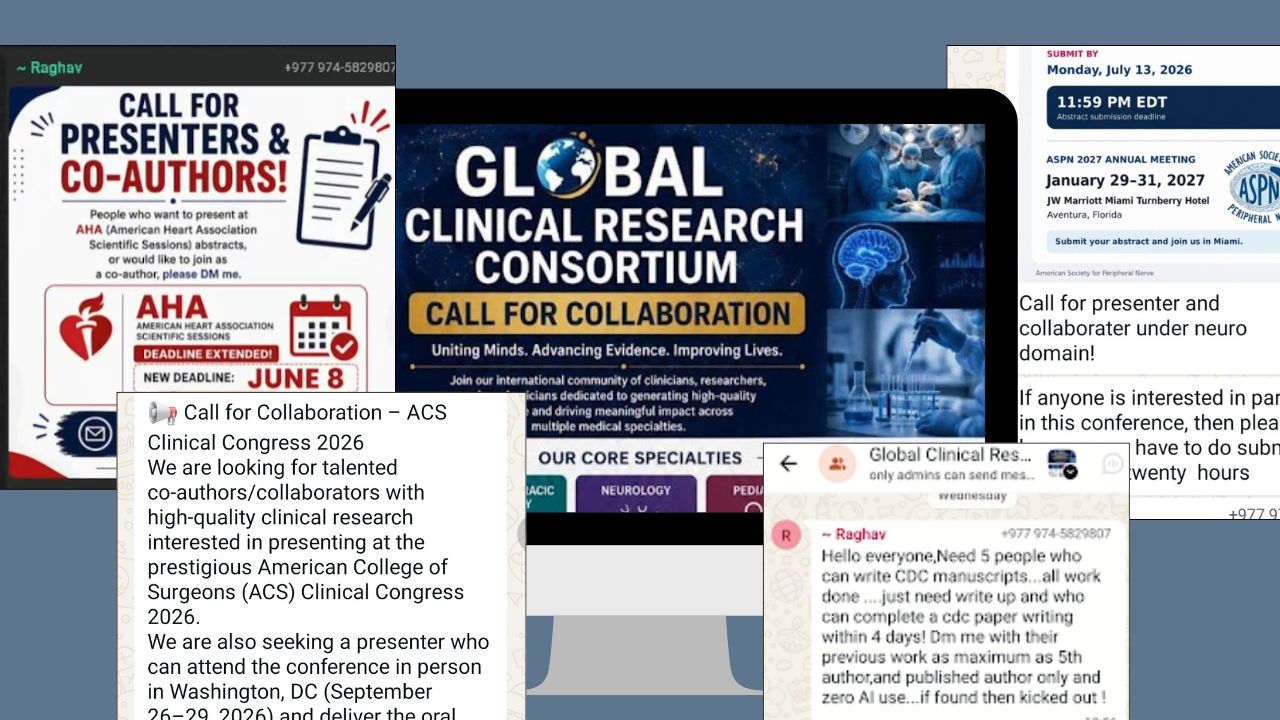
Last week, we reported on Raghabendra Kumar Mahato, a second-year medical student in Nepal, who runs an international research network that churns out conference abstracts and journal papers at a rapid-fire pace. Mahato’s network includes nearly 1,000 members connected through WhatsApp and produces suspected fast-churn science, while recruiting authorship for the works. Papers by the network have been accepted by major journals and presented at conferences by leading medical societies. 

On July 24, Research Square, a preprint server owned by Springer Nature, withdrew three manuscripts by Mahato due to concerns “regarding integrity arising from the submitting author’s involvement in a paper mill network,” according to notices placed on the work. The notices include a link to Retraction Watch’s investigation. 

Continue reading Retraction Watch story exposing research factory fuels investigations, preprint withdrawals, termination

Exclusive: Medical student in Nepal behind busy research factory

A second-year medical student in Nepal is at the center of an international research network churning out everything from systematic reviews and meta-analyses to case reports and database studies, Retraction Watch has learned.

The student, Raghabendra Kumar Mahato, leverages this network, which includes nearly 1,000 members connected through the WhatsApp messaging platform, to produce large numbers of conference abstracts and journal papers at breakneck speed, according to posts and messages we have reviewed. The work has been presented or accepted for presentation at conferences organized by the American Heart Association (AHA), the European Society for Medical Oncology (ESMO) and many other medical societies and has appeared in journals from major publishers.

But a review of dozens of WhatsApp messages we obtained and an interview with a disillusioned member of the community, called the “Global Clinical Research Consortium,” suggests the network produces fast-churn science, includes a known paper miller and treats authorship as a tradable commodity.

Continue reading Exclusive: Medical student in Nepal behind busy research factory

Authors who lost two papers for plagiarism will be fired from university: report

Researchers from Nepal who had two papers retracted last year for plagiarism will face sanctions, according to a local media report.

According to coverage last month from Republica, a news outlet in Nepal, the editor of Bali Medical Journal said he will blacklist the six authors. In a follow-up article, Dipak Shrestha, associate dean of Kathmandu University in Dhulikhel, Nepal, said the university plans to fire the four doctors who work there. (We contacted the journal and the university to confirm that the researchers have been blacklisted and fired, but have not heard back.)

Here’s the retraction notice for the 2013 paper, “Dyslipidemia in Type-2 Diabetes Mellitus Patients in Western of Nepal: A Hospital Based Study:” Continue reading Authors who lost two papers for plagiarism will be fired from university: report

Jeffrey Beall scores a retraction

jaimJeffrey Beall, a scholarly librarian perhaps known best for his list of possible predatory journals, has convinced one of those journals to retract a paper for plagiarism.

Here’s the notice: from the Journal of Advances in Internal Medicine, the official journal of the Society of Internal Medicine of Nepal. Continue reading Jeffrey Beall scores a retraction