St. Louis Krokodil paper reappears

ajmedEarlier this month, we reported on the unexplained withdrawal of a case report from the American Journal of Medicine whose authors said they had treated a man in St. Louis who used krokodil, a homemade mixture of prescription painkillers heroin and flammable contaminants that has proven deadly in Russia.

At the time, all the journal’s publisher, Elsevier, would say about why the article was removed was that there was “a permission problem that the originating institution is working to resolve.”

The paper has now reappeared. And contrary to the notice that appeared on the withdrawal Continue reading St. Louis Krokodil paper reappears
Urology researcher in Iran has third paper retracted

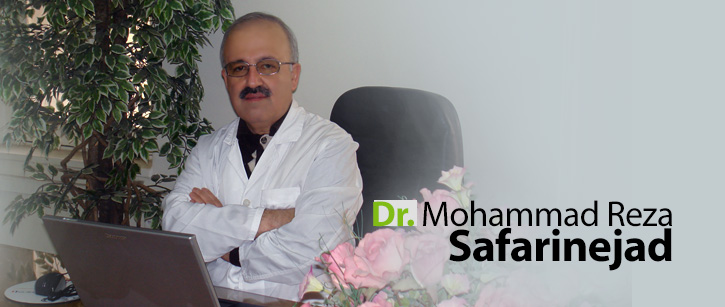
safarinejadMohammad Reza Safarinejad, a urologist in Iran, has had three papers retracted recently for reasons that are not entirely clear.

Here’s the most recent notice, from the British Journal of Clinical Pharmacology, of a paper that has been cited 23 times, according to Thomson Scientific’s Web of Knowledge: Continue reading Urology researcher in Iran has third paper retracted

The top 10 retractions of 2013

RW twins
One unplanned 2013 highlight: We showed up to a meeting wearing the same shirt

No question, 2013 has been a busy year at Retraction Watch. And no wonder: There have been more than 500 retractions in the scientific literature, according to Thomson Scientific’s Web of Knowledge. We’ve posted roughly that many times, and had more than five million pageviews (thank you!).

So, to send 2013 off with a bang, Continue reading The top 10 retractions of 2013

Former NIH scientist falsified images in hepatitis study: ORI

Baoyan Xu, via NIH
Baoyan Xu, via NIH

A former postdoc at the National Institutes of Health (NIH) committed misconduct in a study of hepatitis by falsely claiming that data from a single trial subject were actually from more than a dozen different people, the Office of Research Integrity (ORI) has found.

The investigation was prompted by allegations made by readers of the paper. Baoyan Xu made what the ORI called “a limited admission” that “some better looking strips were repeatedly used as representatives for several times [sic].”

According to a report of the ORI’s findings to be published in the Federal Register tomorrow, the paper, “Hybrid DNA virus in Chinese patients with seronegative hepatitis discovered by deep sequencing, published earlier this year in the Proceedings of the National Academy of Sciences (PNAS): Continue reading Former NIH scientist falsified images in hepatitis study: ORI

Weekend reads: Snarky acknowledgement sections, journal editors on fraud

booksAnother busy week at Retraction Watch, beginning with a story we broke about faked HIV vaccine results that was picked up by the Des Moines Register and other outlets. Here’s what was happening elsewhere on the web: Continue reading Weekend reads: Snarky acknowledgement sections, journal editors on fraud

Emory cardiology researcher up to six retractions

R. Wayne Alexander, via Emory

R. Wayne Alexander, a cardiology researcher at Emory whose lab has retracted four papers following university investigations, has notched retractions five and six.

Here’s the notice from Circulation Research: Continue reading Emory cardiology researcher up to six retractions

Tune into CNN today to see Ivan talk about faked HIV vaccine results

Ivan-OranskyNews bulletin: Ivan is scheduled to appear on CNN today with Kyra Phillips to discuss a recent case we covered involving faked results of an HIV vaccine. Details can always change, but as of now the interview will appear at 2:40 p.m. Eastern.

Doing the right thing: Yale psychology lab retracts monkey papers for inaccurate coding

developmental scienceIn the midst of the holiday season, it’s a pleasure to be able to share the story of a scientist doing the right thing at significant professional cost — especially a researcher in psychology, a field that has been battered lately by scandal.

Sometime after publishing two papers — one in Developmental Science and another in the Journal of Personality and Social Psychology — Yale’s Laurie Santos and her students realized there were problems with their data. We’ll let Santos — who made sure to respond to our request for comment immediately, in the midst of holiday travel, so that we had all the details and could help get the word out — tell the story: Continue reading Doing the right thing: Yale psychology lab retracts monkey papers for inaccurate coding

Former Iowa State researcher faked HIV vaccine findings: ORI

ori logoA former researcher at Iowa State University (ISU) faked results of experiments to make tests of a vaccine against HIV in animals look more powerful, according to the Office of Research Integrity (ORI).

Specifically, ORI and ISU found that Dong-Pyou Han Continue reading Former Iowa State researcher faked HIV vaccine findings: ORI

Weekend reads: How to be a good peer reviewer, the replication backlash

booksAnother busy week at Retraction Watch. Here’s a taste of scientific publishing news from elsewhere: Continue reading Weekend reads: How to be a good peer reviewer, the replication backlash