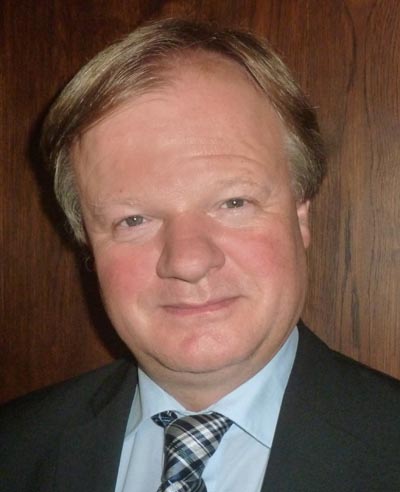
A high-profile pediatric oncologist quietly left his former institution in 2015 after it concluded his clinical trials had been affected by significant “administrative problems.” But now the results of the university’s investigations and what followed have become public, after a paper in Belgium published a series of news reports last month.
We’re still hazy on some details of the case. The recent news reports allege that Van Gool started some clinical trials without proper ethical approvals and informed consent, and may have misled patients and their families about the benefits and potential side effects of his experimental treatment. Meanwhile, the CEO University Hospitals Leuven (UZLeuven) told us that Stefaan Van Gool, who had appointments at both the hospital and the university (KULeuven), left the hospital in 2015 as a result of administrative problems, but did not disclose the specific nature of these issues.
For the past 15 years or so, Van Gool has been developing and studying a vaccine to treat various cancers, initially at UZLeuven and, after September 2015, at a private clinic in Germany. Today, patients travel to his private clinic from all over the world and pay tens of thousands of dollars to receive the vaccine. But according to Flemish daily newspaper De Standaard, several years ago, UZLeuven began investigating his research and patient care practices. The outcome of these investigations was kept private until last month, after De Standaard published its reports.
Marc Decramer, the CEO of UZLeuven, confirmed that Van Gool left the hospital in 2015 and the university in 2016, but did not provide the specific reasons for his exit:
Continue reading Star pediatric oncologist committed misconduct, ethical violations: reports
 A researcher who resigned from the University of Dundee in Scotland after it
  A researcher in Germany has been banned from seeking money from the largest independent research funder in the country for five years after an investigation by her former employer found her guilty of misconduct.
 Two journals have retracted two papers by the same group within months of each other, after editors were independently tipped off that they contained duplicated figures representing different experiments.
 In an unusual turn of events, a nutrition paper has come back to life a year after being pulled from its original publication.
 When two surgeons in Greece learned that a patient had developed a rare side effect following weight loss surgery, they were eager to publish the case.
 Ask and ye shall receive: A journal has retracted a 2014 paper by Paolo Macchiarini,
  Despite taking some serious hits, a 2006 letter in