Widely criticized keto diet study retracted

Aamulya/iStock

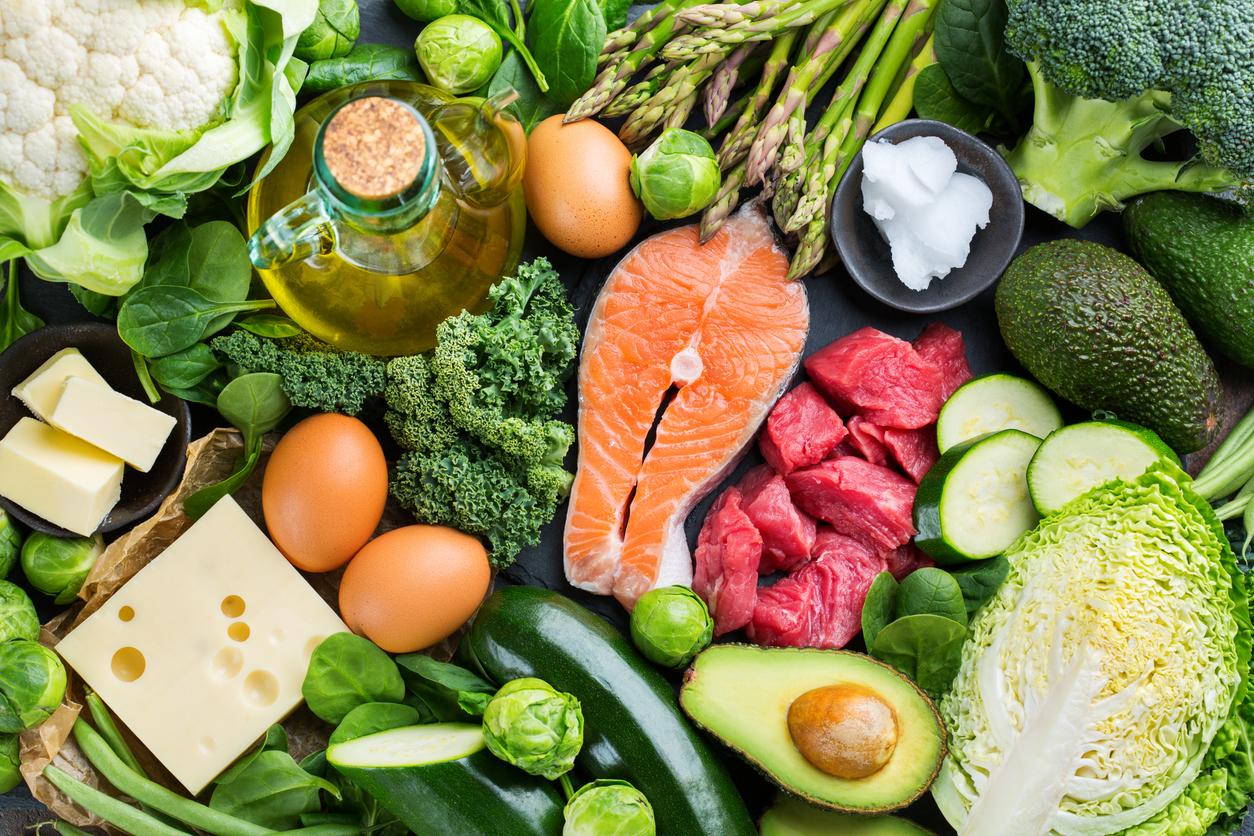
A 2025 paper claiming the keto diet does not promote the formation of arterial plaques has been retracted after widespread criticism of the study’s methods and claims. The journal found “the identified errors are too great to be corrected with a corrigendum,” according to the March 11 retraction notice.

In April 2025, JACC: Advances published the study, which looked at plaque build-up in 100 otherwise generally healthy people who had experienced an increase in their cholesterol levels while being on a keto diet. The study claimed scans performed one year apart by the company Cleerly showed the diet was not associated with the development of arterial plaques. 

This finding went against what previous studies had found, and it led to what Wired called “a new war in the nutrition world.” 

Continue reading Widely criticized keto diet study retracted

Study on apple cider vinegar for weight loss retracted after many raise concerns

Pranithan Chorruangsak/iStock

Easy fixes for complex health problems can be tempting — but they rarely pan out. That seems to be the case for the investigators on one clinical trial who claimed consuming apple cider vinegar caused obese teens and young adults to lose weight. 

Their article appeared in March 2024 in BMJ Nutrition, Prevention & Health. The journal is retracting the paper “because the authors’ analyses could not be replicated and multiple errors were identified,” according to the retraction notice.

The retraction, dated September 23, comes more than a year after sleuths pointed out some of these errors and other problems with the analysis. 

Continue reading Study on apple cider vinegar for weight loss retracted after many raise concerns

A closer look at the ‘chocolate with high cocoa content’ hoax

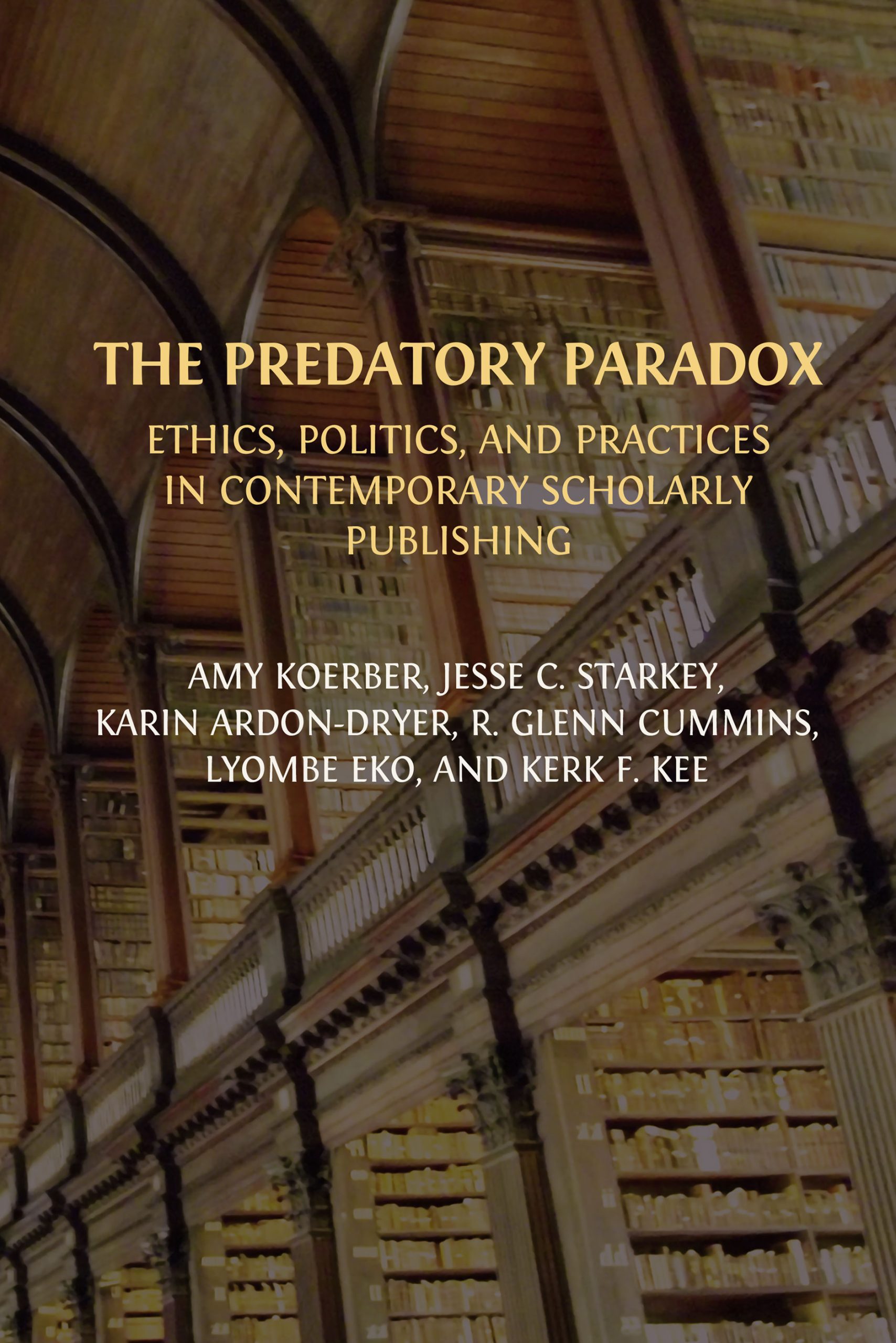
We are pleased to present an excerpt from The Predatory Paradox: Ethics, Politics, and Practices in Contemporary Scholarly Publishing by Amy Koerber, Jesse C. Starkey, Karin Ardon-Dryer, R. Glenn Cummins, Lyombe Eko, and Kerk F. Kee, published by Open Book Publishers, October 2023. 

In 2015, Johannes Bohannon, along with three coauthors, published an article titled ‘Chocolate with High Cocoa Content as a Weight Loss Accelerator’ in the International Archives of Medicine. The article reported results from a study that divided participants into three groups, with a different diet assigned to each group, and concluded that ‘Subjects of the chocolate intervention group experienced the easiest and most successful weight loss’ (p. 1).

In a personal account published later, journalist John Bohannon described the article as an intentional hoax that he and his coauthors had carried out in response to a request from a German film crew who was making a documentary on the ‘junk-science diet industry.’ To implement the hoax, Bohannon and his coauthors created an ‘Institute of Diet and Health’ that existed only as a website, and he assumed the name ‘Johannes Bohannon’ as lead author of the study. As he explained, the research reported in the article was actually conducted, but it was “terrible science,” including major flaws that would have been detected if the article had undergone a legitimate peer-review process.

Bohannon and his colleagues’ ‘Chocolate with High Cocoa Content’ article was retracted shortly after it was published, and the editors of International Archives of Medicine published a retraction notice dated 10 June 2015 (Editorial Office 2015). The editors’ decision to retract this article ostensibly served to correct the scientific record and prevent the erroneous data reported in the published study from being circulated in subsequent literature. This manner of correcting the scientific record is an important purpose of retractions, as defined by the Committee on Publication Ethics (COPE):

Continue reading A closer look at the ‘chocolate with high cocoa content’ hoax
“Yep, pretty slow”: Nutrition researchers lose six papers

Zatollah Asemi

Six months after we reported that journals had slapped expressions of concern on more than three dozen papers by a group of nutrition researchers in Iran, the retractions have started to trickle in. 

But the clock started nearly two years ago, after data sleuths presented journals with questions about the findings in roughly 170 papers by the authors. So far we’ve seen only six retractions, from two journals, of the suspect papers. As one of the sleuths said, “yep, pretty slow.”

Central to the case is Zatollah Asemi, of the Department of Nutrition at Kashan University of Medical Sciences. As we wrote last November: 

Continue reading “Yep, pretty slow”: Nutrition researchers lose six papers

Authors retract two studies on high blood pressure and supplements after realizing they’d made a common error

A group of researchers from Iran, Italy and the UK have retracted two meta-analyses on supplements and high blood pressure after making what a statistics expert calls a common error.

Both papers were originally published in the Journal of Human Hypertension. Here’s the retraction notice for “Elevated blood pressure reduction after α-lipoic acid supplementation: a meta-analysis of randomized controlled trials:”

Continue reading Authors retract two studies on high blood pressure and supplements after realizing they’d made a common error

The “regression to the mean project:” What researchers should know about a mistake many make

David Allison, via IU

The work of David Allison and his colleagues may be familiar to Retraction Watch readers. Allison was the researcher — then at the University of Alabama, Birmingham, now at Indiana University — who led an effort to correct the nutrition literature a few years ago. He and his colleagues are back, this time with what might be called the “Regression to the Mean Project,” an attempt to fix a problem that seems to vex many clinical trials. You may have noticed some items in Weekend Reads about letters to the editor that mention the issue. Here, Allison explains.

•Retraction Watch (RW): First, what is “regression to the mean,” and what does it mean for clinical studies? Continue reading The “regression to the mean project:” What researchers should know about a mistake many make

Does the Mediterranean diet prevent heart attacks? NEJM retracts (and replaces) high-profile paper

The New England Journal of Medicine has retracted a 2013 paper that provided some proof that the Mediterranean diet can directly prevent heart attacks, stroke, and other cardiovascular problems.
The original paper, “Primary Prevention of Cardiovascular Disease with a Mediterranean Diet,” has been cited 1,759 times, according to Clarivate Analytics’ Web of Science.

But the findings haven’t disappeared — the authors have replaced the paper with a new version, which softens its earlier claims. Continue reading Does the Mediterranean diet prevent heart attacks? NEJM retracts (and replaces) high-profile paper

Nutrition paper claims intervention cuts child obesity. Experts disagree.

Does incorporating gardens and their harvest into school-based nutrition programs help children get healthier? A 2017 paper claims it does, but a group of outside experts disagrees — strongly.

The 2017 paper reported that adding gardens to schools and teaching kids how to cook the harvest, among other elements, helped kids learn about nutrition — and even improved their body mass index, a measure of body weight.

However, soon after the paper appeared, a group of outside experts told the journal the data reported by the paper didn’t support its conclusions — namely, the authors hadn’t shown that the intervention had any effect. The authors performed an inappropriate analysis of the data, the critics claimed, and the paper needed to be either corrected or retracted outright.

But the Journal of Nutrition Education and Behavior has not amended the paper in any way. Instead, last month, it published the outside experts’ criticism of the paper, including their explicit calls to either correct or retract it, along with the authors’ response to the critics.

David Allison, the last author on the critical letter and the dean of the school of public health at Indiana University Bloomington, said he was surprised to see the journal chose to publish his critical letter, but not alter the paper itself:

Continue reading Nutrition paper claims intervention cuts child obesity. Experts disagree.

Caught Our Notice: Brian Wansink issues correction that’s longer than original paper

Title: Attractive names sustain increased vegetable intake in schools

What Caught Our Attention: One thing can be said for the corrections for Brian Wansink‘s papers — they aren’t short.  After James Heathers outlined some of his concerns about the highly cited study back in March, 2017, the journal has issued a correction, and it’s longer (1636 words) than the original, highly cited paper (1401 words). Some of the changes include explaining the children studied were preschoolers (3-5 years old), not preteens (8-11), as originally claimed. (It may be hard to imagine how the authors could make such a mistake, but they did it once before, in another retracted paper.) Even with all those words explaining the correction — we’re only including an excerpt of the entire notice below — some concerns still remain: Continue reading Caught Our Notice: Brian Wansink issues correction that’s longer than original paper

Caught Our Notice: “Ironically,” same error in same journal “was noted last year”

Via Wikimedia

Title: Sleep quality and body composition variations in obese male adults after 14 weeks of yoga intervention: A randomized controlled trial

What Caught Our Attention: Last year, researchers led by David Allison at the University of Alabama at Birmingham’s School of Public Health called for the retraction of an article linking weight loss and obese female yoga participants in the International Journal of Yoga, citing problems with randomization and baseline statistics. Despite the first author’s statement that he planned to retract the article, the journal refused to retract it.   Continue reading Caught Our Notice: “Ironically,” same error in same journal “was noted last year”