
More than four and a half years after questions were first raised about work in a cardiac stem cell lab at Harvard and the Brigham and Women’s Hospital, a year and a half after the Brigham and Partners Healthcare paid $10 million to settle allegations of fraud in the lab’s data, a month after Harvard the Brigham disclosed that they were calling for the retractions of more than 30 papers from the lab, and three weeks after the NIH paused a clinical trial based on the work, two leading journals have issued an expression of concern about 15 papers from the lab.
But expressions of concern are not retractions, of course. From the notice, in Circulation and Circulation Research, both of which are published by the American Heart Association: Continue reading Journals stamp expressions of concern on 15 papers from Anversa’s cardiac stem cell lab



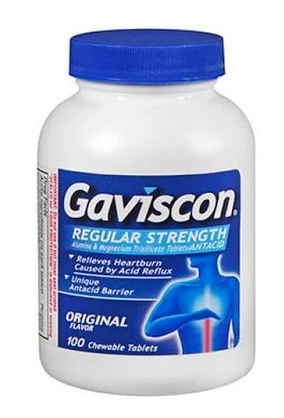 The maker of a leading over-the-counter antacid has withdrawn its application for approval of the drug in China because a clinical trial of the product in that country was marred by “major protocol deviations.”
 Tokyo Women’s Medical University has stripped a researcher of her PhD, following the retraction of a paper — for data duplication — that was based on her thesis.
 Journals have retracted all but 19 of the 313 tainted papers linked to three of the most notorious fraudsters in science, with only stragglers left in the literature. But editors and publishers have been less diligent when it comes to delivering optimal retraction notices for the affected articles.