 Dear Retraction Watch readers:
Have you seen our database of retractions?
While we’re still putting finishing touches on it before an official launch, with more than 18,000 retractions, it’s already the most comprehensive collection of retractions anywhere. We have learned a great deal as we’ve gathered those retractions, which we look forward to sharing quite soon, along with ways that the database can help cut down on waste in research, but — and this is key — it has been painstaking work.
Because of how scattered, incomplete, and sometimes even wrong retraction notices are, every retraction must be located, double-checked, and entered by hand. That means all 18,129, at the time of this writing — and growing every day. Our full-time researcher spends much of her time curating the database, assisted at various points by a small army of terrific librarians, graduate students, and others interested in cleaning up the literature.
As you can guess, this effort requires resources. We have been fortunate to have this and other work funded by generous grants over the years, going back to 2014, but those grants have ended. We are always in discussions with past and potential funders — and would be grateful to hear suggestions on that front — but as is the case for most non-profits, our future depends on maintaining sufficient financial support. We’re therefore asking you to consider a tax-deductible financial contribution to our parent non-profit organization, The Center For Scientific Integrity. Continue reading Retraction Watch readers, we need your help to be able to continue our work
 Before we present this week’s Weekend Reads, a question: Do you enjoy our weekly roundup? If so, we could really use your help. Would you consider a tax-deductible donation to support Weekend Reads, and our daily work? Thanks in advance.
 Irony machine, start your engine: A pair of engineers have lost a 2017 paper in the
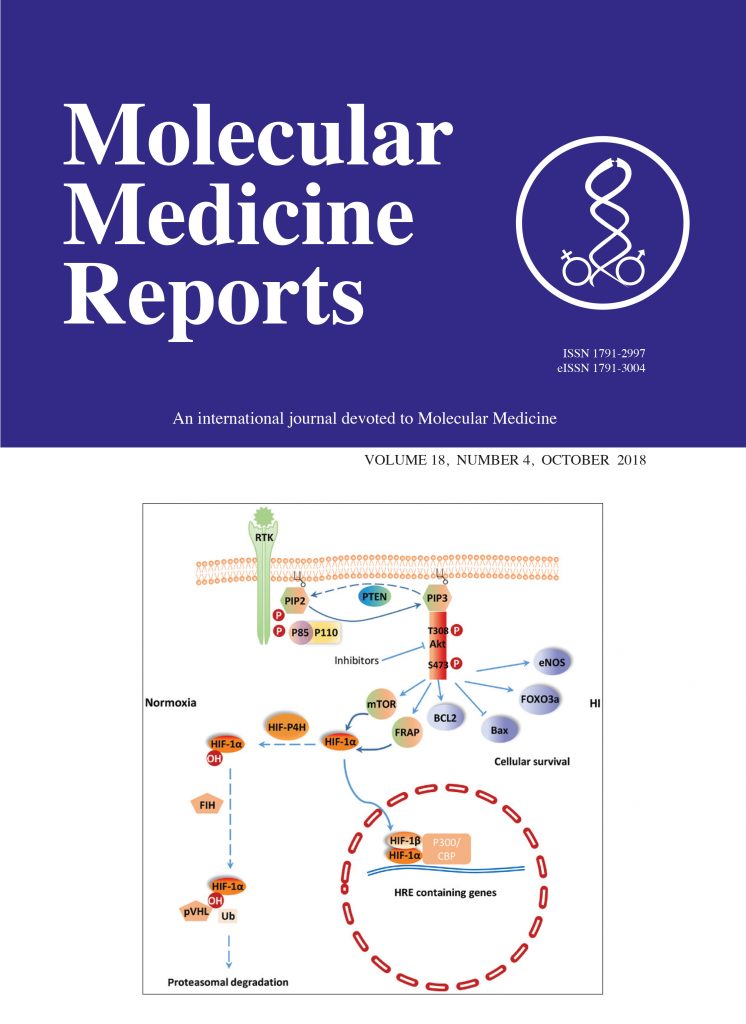

 Tokyo Women’s Medical University has stripped a researcher of her PhD, following the retraction of a paper — for data duplication — that was based on her thesis.
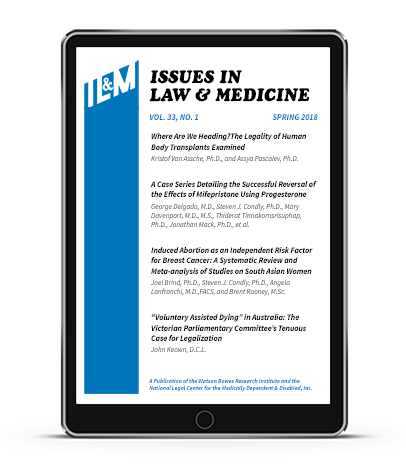 A study that claimed a highly controversial “abortion reversal” method was effective — and which was temporarily removed from a journal’s site — has been republished.
  Journals have retracted all but 19 of the 313 tainted papers linked to three of the most notorious fraudsters in science, with only stragglers left in the literature. But editors and publishers have been less diligent when it comes to delivering optimal retraction notices for the affected articles.