Exclusive: Kavli prize winner threatens to sue critic for defamation

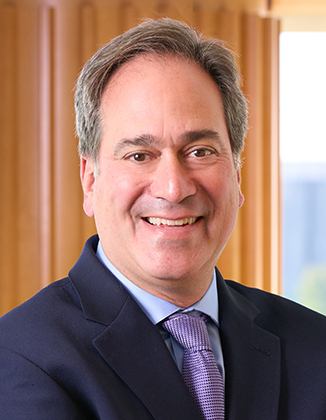
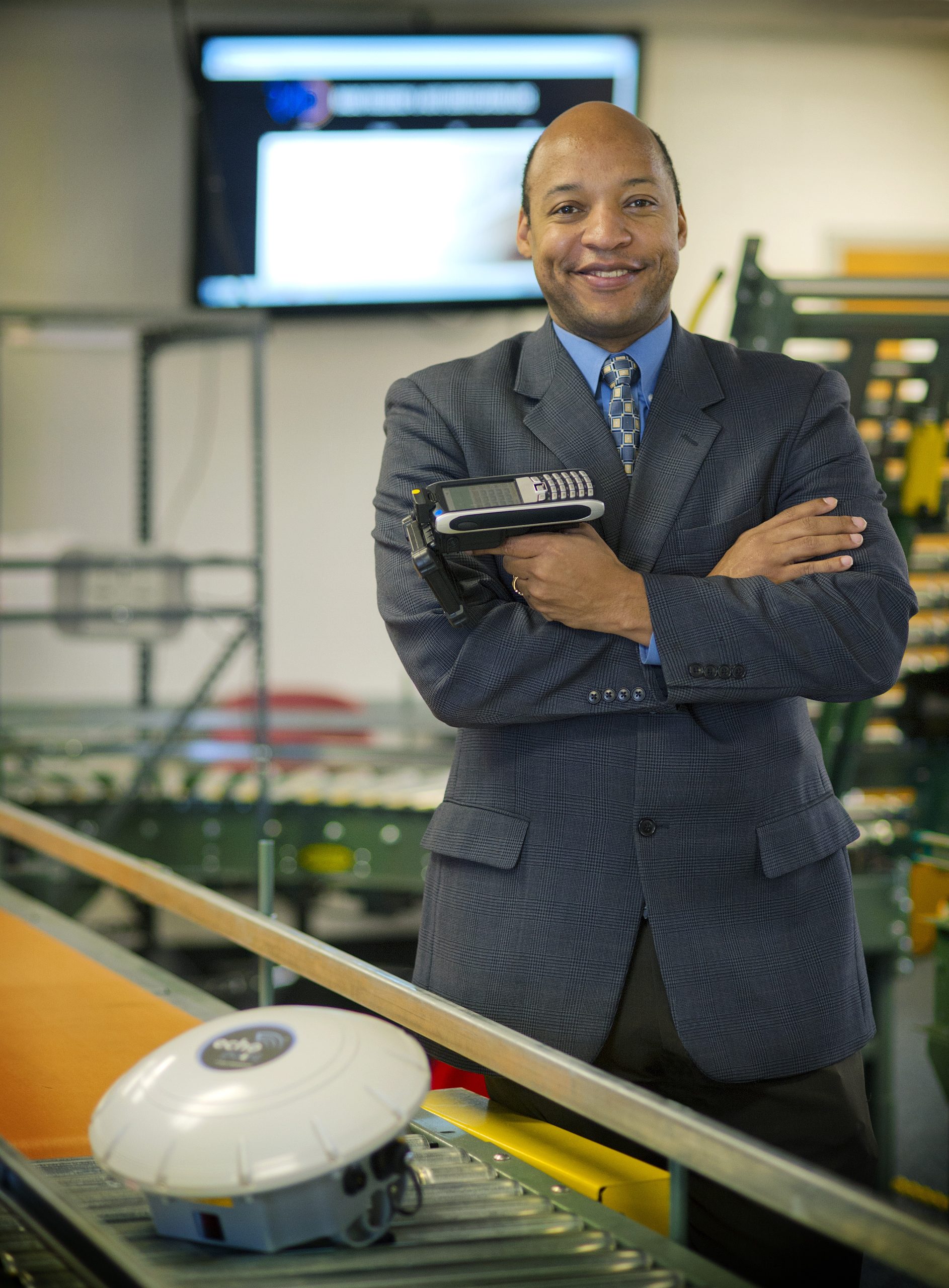
Chad Mirkin

One of the winners of the 2024 Kavli Prize in nanoscience has threatened to sue a longtime critic, Retraction Watch has learned. 

In a cease and desist letter, a lawyer representing Chad Mirkin, a chemist and director of the International Institute for Nanotechnology at Northwestern University in Chicago, accused Raphaël Lévy, a professor of physics at the Université Paris Sorbonne Nord, of making “patently false and defamatory” statements about Mirkin’s research.

The demand primarily concerns a letter to the editor Lévy submitted in April to Proceedings of the National Academy of Sciences regarding an article Mirkin co-authored, “Multimodal neuro-nanotechnology: Challenging the existing paradigm in glioblastoma therapy,” which appeared in the journal in February. 

Continue reading Exclusive: Kavli prize winner threatens to sue critic for defamation

Exclusive: Psychology researcher loses PhD after allegedly using husband in study and making up data

Ping Dong

A psychology researcher already under fire for several questionable studies has had her PhD revoked by a university tribunal that found it likely she fabricated data in her thesis. 

Ping Dong, who was a doctoral student at the University of Toronto from 2012 to 2017, had already earned retractions for two papers based on her thesis before the tribunal’s decision to cancel her degree and give the thesis a failing grade. A summary of the case the school has made available online reveals those retractions, which we’ve previously reported on, arose from more serious misconduct than previously publicized and were also subject to an institutional investigation. 

Dong’s research concerned how moral violations and unethical behavior, such as tax evasion or adultery, influence consumer choices.. According to the university’s report, her thesis had an “improbable level of duplication” in the answers research participants gave to open-ended questions. Dong also allegedly confessed to a former supervisor that her husband impersonated participants in her studies and that she had failed to properly randomize the results – although the supervisor contests that Dong ever admitted this to her. 

Continue reading Exclusive: Psychology researcher loses PhD after allegedly using husband in study and making up data

Exclusive: Wiley journal editor under investigation for duplicate publications

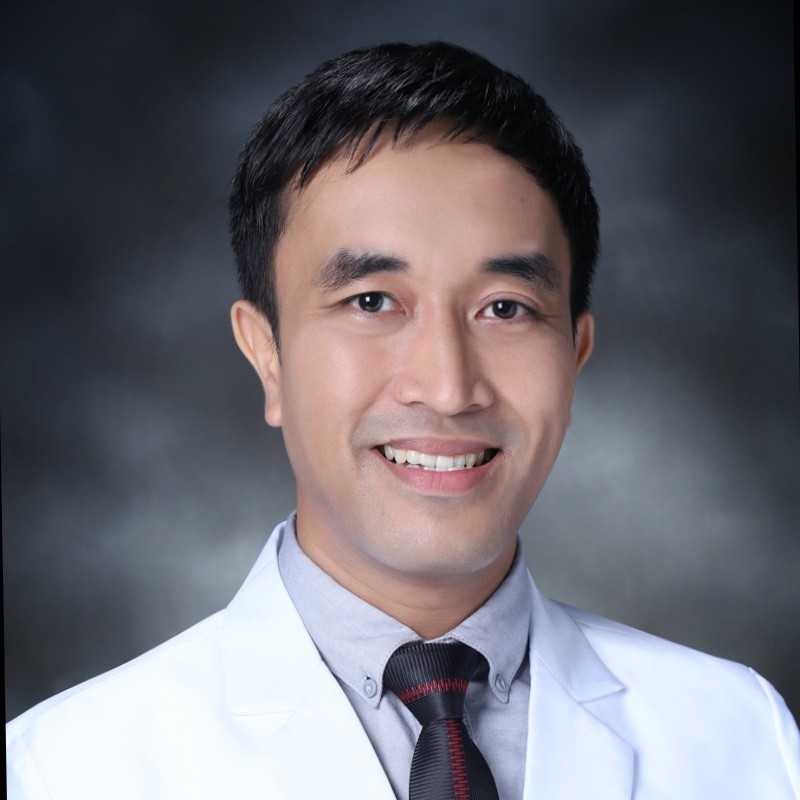
Daniel Joseph Berdida

An academic editor at Wiley who vowed to “uphold publication ethics” is being investigated by the company for allegedly publishing three of his papers twice, in violation of journal policies, Retraction Watch has learned.

One of the duplicates, which appeared last year in Nurse Education in Practice, an Elsevier title, has already been slated for retraction, according to emails we have seen. The other offending articles were published in Wiley journals.

The editor, Daniel Joseph Berdida, is a nurse and faculty member at the University of Santo Tomas in Manila, the Philippines. He joined the editorial board of Wiley’s Journal of Nursing Management four months ago, announcing on LinkedIn that he would “be serving with integrity and uphold publication ethics.”

Continue reading Exclusive: Wiley journal editor under investigation for duplicate publications

Exclusive: ‘Bust Size and Hitchhiking’ author to earn four more expressions of concern

The journal Social Influence will be issuing expressions of concern for four papers by Nicolas Guéguen, a marketing researcher whose work has long been dogged by allegations, Retraction Watch has learned. 

Guéguen has to date has lost at least three papers to retraction, and has received many more expressions of concern, for his questionable studies. However, his institution, the Université de Bretagne-Sud, cleared him of wrongdoing in 2019.  

Guéguen made a name for himself for his quirky studies – often about human sexuality – like one purporting to find women with bigger breasts were more likely to be successful hitchhikers; and one which claimed to find men with guitar cases are more attractive to women. (The first of those articles has an expression of concern; the second was retracted in 2020.)

Continue reading Exclusive: ‘Bust Size and Hitchhiking’ author to earn four more expressions of concern

Exclusive: PLOS ONE to correct 1,000 papers, add author proof step

The megajournal PLOS ONE will be correcting about 1,000 papers over the next few months, Retraction Watch has learned, and will add an author proof step – a first for the journal.

The corrections are for “errors in author names, affiliations, titles and references; to make minor updates to the acknowledgements, funding statements, and data availability statements, among other minor issues,” PLOS ONE head of communications David Knutson told us. He continued:

This batch of corrections does not reflect a recent change in the journal’s quality control standards or processes. Rather, we are clearing a backlog that accumulated during a 2-year period when minor corrections were deprioritized and resources were diverted to other areas. PLOS ONE is in the process of implementing an author proof step so that in the future such errors can be identified and addressed prior to publication.  

Continue reading Exclusive: PLOS ONE to correct 1,000 papers, add author proof step

Exclusive: Cardiologist in Pakistan continued publishing after journal shown evidence he was running a paper mill

Jahanzeb Malik

A cardiologist in Pakistan has been selling coauthorship of his research papers to scientists, particularly medical students, who were not involved in the work, Retraction Watch has learned. Several of his articles were published after the journal learned of his underhand activities.

Jahanzeb Malik, of the Rawalpindi Institute of Cardiology, publishes in a variety of journals, including Current Problems in Cardiology and Cardiology in Review, with a number of co-authors on each study. 

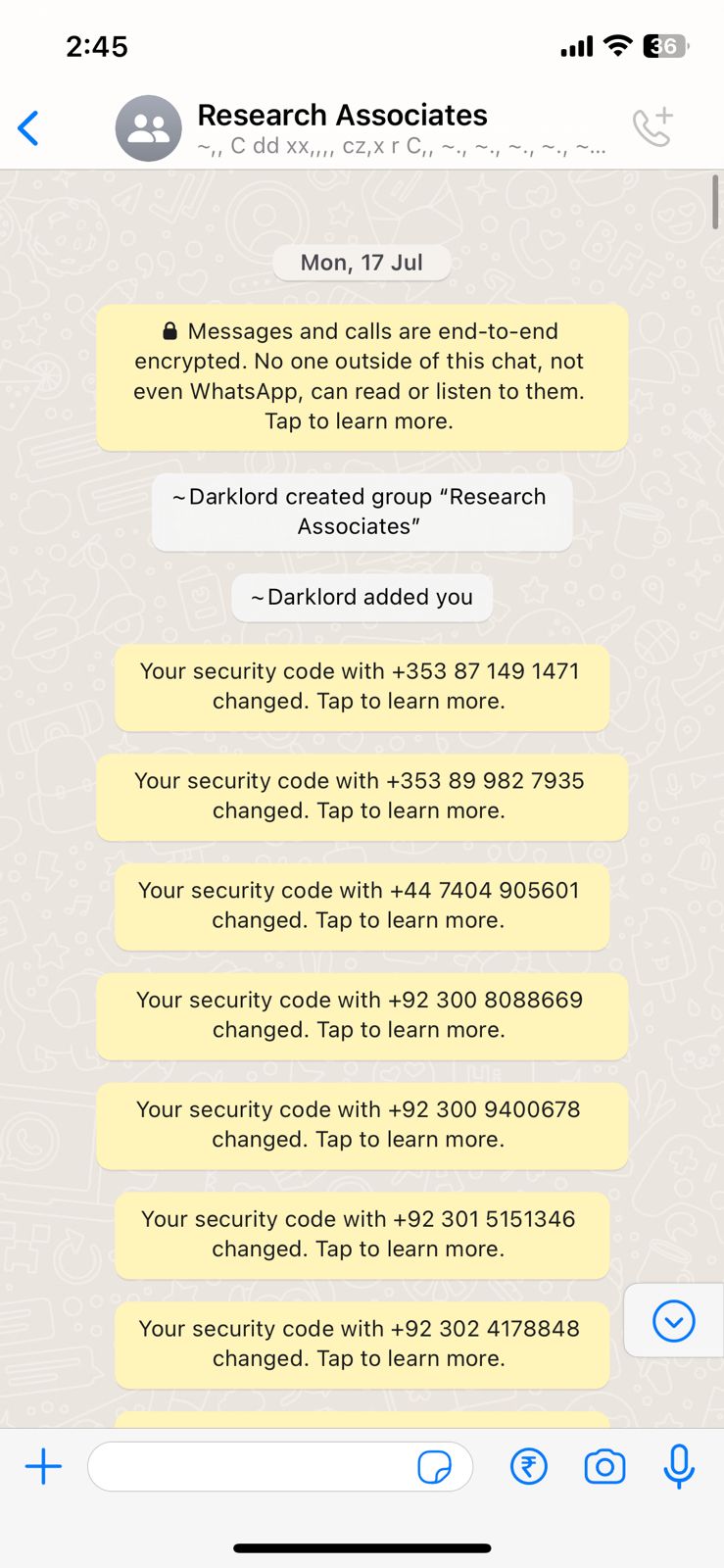
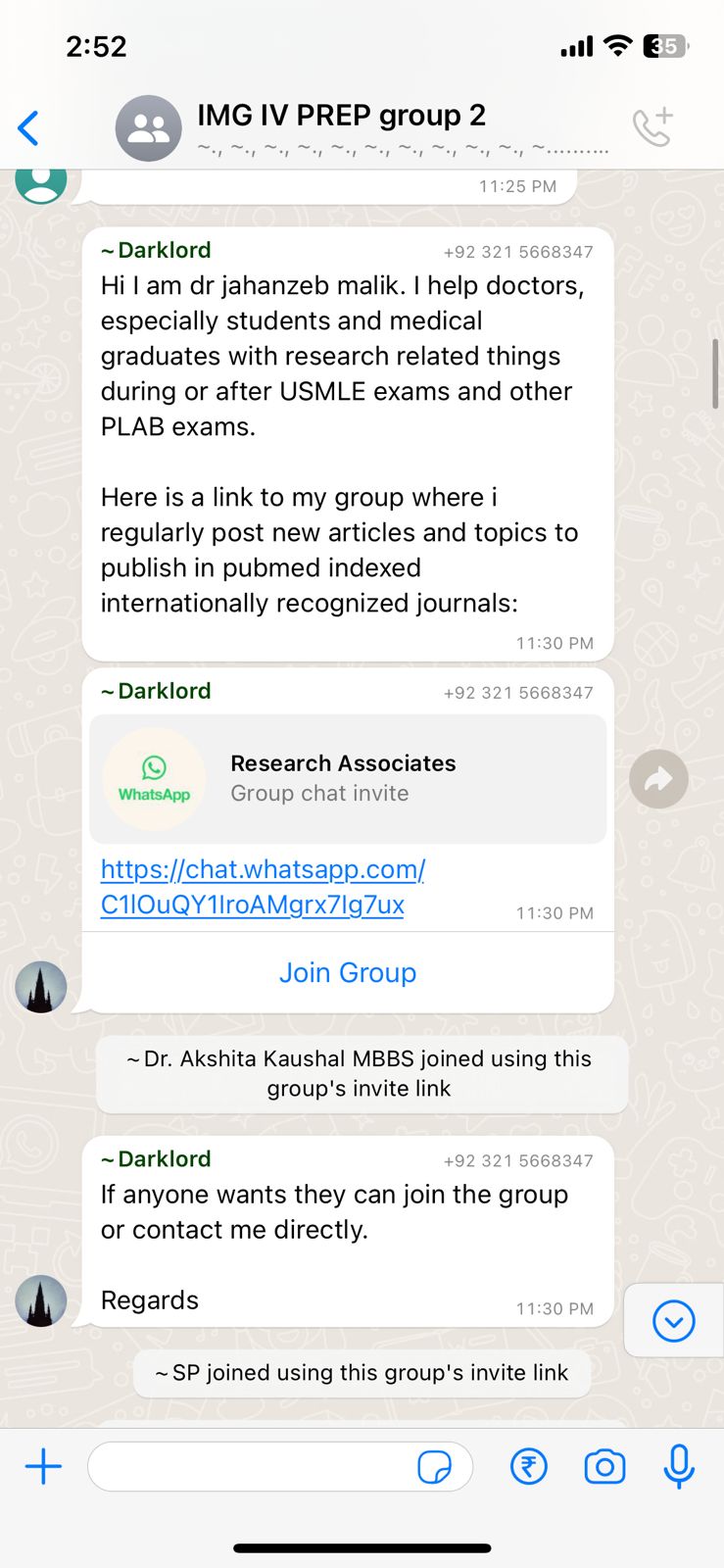
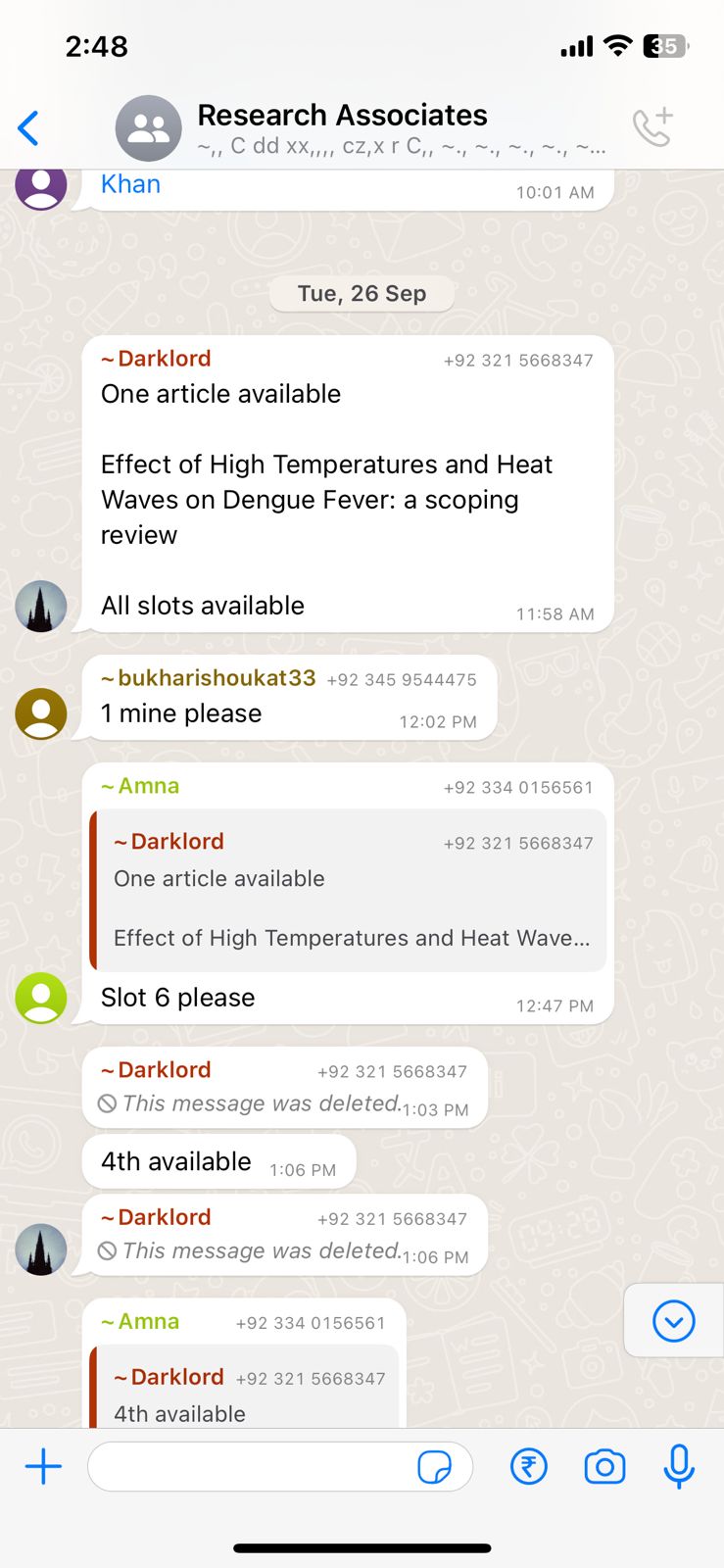
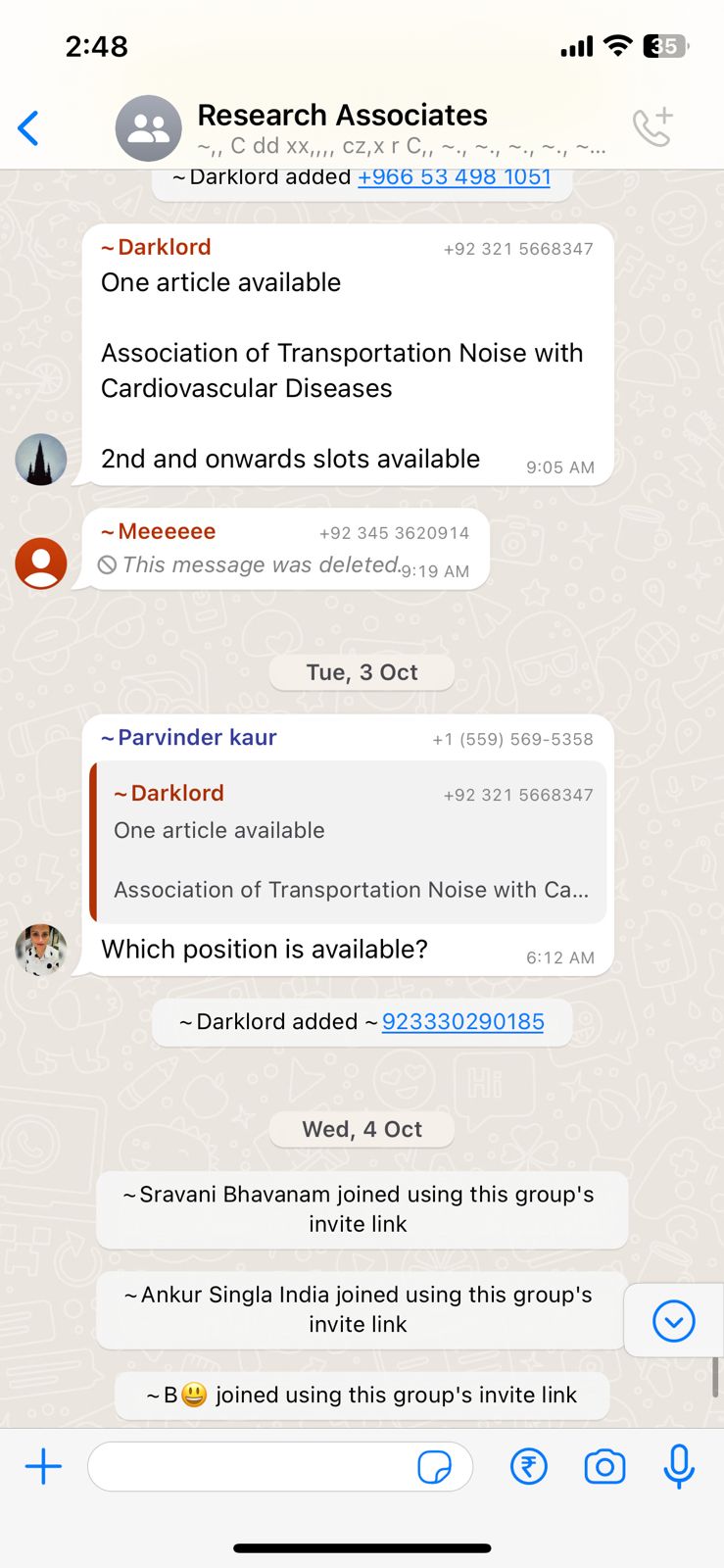
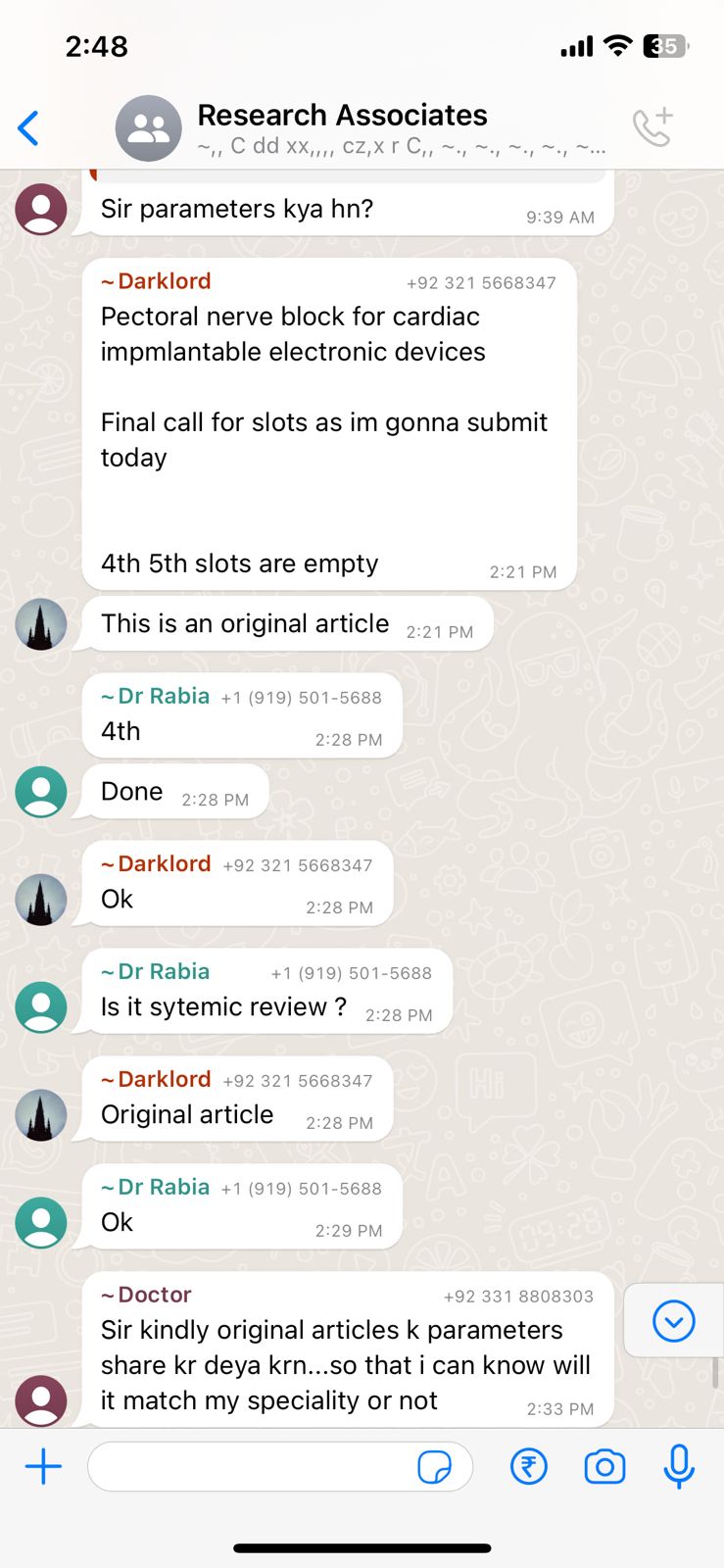
However, not all of these authors contributed to the work. Malik, who is also a member of the Cardiovascular Analytics Group, an international network of researchers, runs a WhatsApp messaging group titled “Research Associates,” where he posts about articles he is working on and offers authorship “slots” in exchange for money, messages shown to Retraction Watch reveal. He has advertised on the “United States Medical Licensing Examination Pakistan” Group Facebook page, writing that he runs the group to “help students and other doctors in doing medical research and writing research papers.” 

Going by the username “Darklord” on WhatsApp, Malik charges up to $300 for a first-author position. Less prominent positions on the manuscript can be bought for around $150. Malik has since changed his username to “Dr. Jahanzeb Malik” on the app.

Continue reading Exclusive: Cardiologist in Pakistan continued publishing after journal shown evidence he was running a paper mill

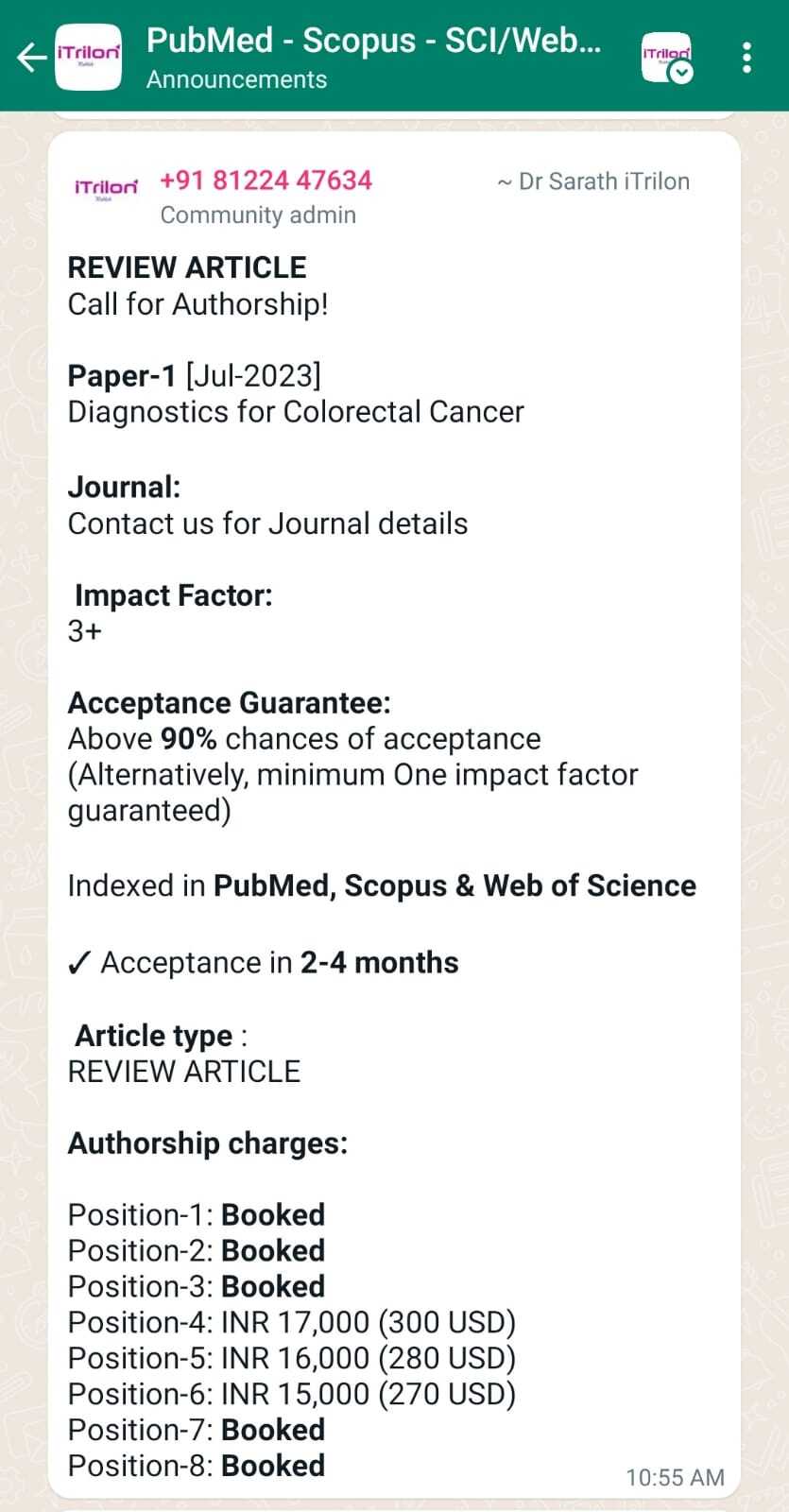
Exclusive: Physician in India who coauthored review with US profs is running a paper mill

A recent review article whose authors included two assistant professors at universities in the United States was written by a physician in India who is running a paper mill, Retraction Watch has learned.

Current Status and Emerging Trends in Colorectal Cancer Screening and Diagnostics” appeared last year in a special issue of Biosensors, an MDPI title. The article came to our attention because it matched an ad posted by the Indian paper mill iTrilon, as we reported earlier this year;  some of the author names appeared on other iTrilon publications as well. 

The two assistant professors – Yuguang Liu of Mayo Clinic in Rochester, Minn., and Ajeet Kaushik of Florida Polytechnic University in Lakeland – have not previously been tied to paper-mill publications and denied any knowledge of the ad.

Continue reading Exclusive: Physician in India who coauthored review with US profs is running a paper mill

Exclusive: Embattled dean accused of plagiarism in NSF report

Erick Jones

Erick Jones, the dean of engineering at the University of Nevada in Reno, appears to have engaged in extensive plagiarism in the final report he submitted to the National Science Foundation for a grant, Retraction Watch has learned.

The $28,238 grant partially supported a three-day workshop that Jones and his wife, Felicia Jefferson, held for 21 students in Washington, DC, in April 2022 titled “Broadening Participation in Engineering through Improved Financial Literacy.” Jefferson received a separate award for $21,757.

Jones submitted his final report to the agency in May 2023. Retraction Watch obtained a copy of that report through a public records request to Jones’s previous employer, the University of Texas at Arlington, and identified three published sources of extended passages he used without citation or quotation marks.

Continue reading Exclusive: Embattled dean accused of plagiarism in NSF report

Exclusive: Elsevier to retract paper by economist who failed to disclose data tinkering

Almas Heshmati

A paper on green innovation that drew sharp rebuke for using questionable and undisclosed methods to replace missing data will be retracted, its publisher told Retraction Watch.

Previous work by one of the authors, a professor of economics in Sweden, is also facing scrutiny, according to another publisher. 

As we reported earlier this month, Almas Heshmati of Jönköping University mended a dataset full of gaps by liberally applying Excel’s autofill function and copying data between countries – operations other experts described as “horrendous” and “beyond concern.”

Heshmati and his coauthor, Mike Tsionas, a professor of economics at Lancaster University in the UK who died recently, made no mention of missing data or how they dealt with them in their 2023 article, “Green innovations and patents in OECD countries.” Instead, the paper gave the impression of a complete dataset. One economist argued in a guest post on our site that there was “no justification” for such lack of disclosure.

Continue reading Exclusive: Elsevier to retract paper by economist who failed to disclose data tinkering

Exclusive: Elsevier journal COPE threatened with sanctions will retract four more articles

Andrew Grey

The journal a publication ethics watchdog threatened with sanctions for taking years to retract articles will pull four more related papers, Retraction Watch has learned. 

Last July, the Committee for Publication Ethics (COPE) sent a warning letter to Elsevier regarding 10 papers by Yoshihiro Sato and Jun Iwamoto, who hold positions four and six on our leaderboard of retractions, that the publisher had said it would retract three and a half years ago. 

As we reported previously, seven of the papers were retracted from Journal of the Neurological Sciences in December 2023. 

Following our reporting on COPE’s letter to Elsevier, the publisher has decided to retract the remaining three articles, plus a letter regarding one of the retracted papers, according to emails seen by Retraction Watch. 

Continue reading Exclusive: Elsevier journal COPE threatened with sanctions will retract four more articles