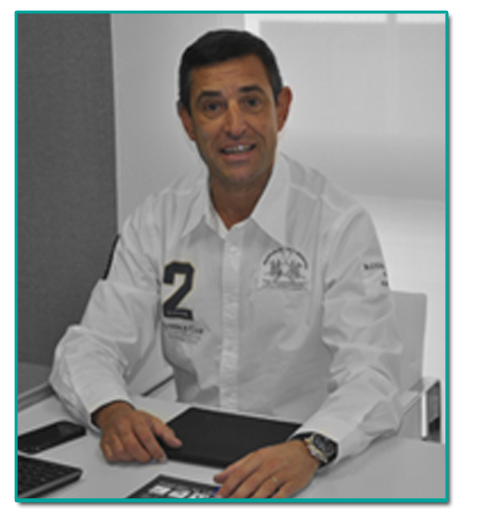
A researcher in Spain who studies dental implants has had another six papers retracted, for a total of 18.
José Luis Calvo-Guirado‘s latest retraction, which along with the other 17 appeared in Clinical Oral Implants Research, a Wiley title, was for “image discrepancies resulting in unreliable data.” Three appeared in June, and two in July, also for image issues. The researcher also has at least two corrections; one in Annals of Anatomy — Anatomischer Anzeiger and one in Materials. Continue reading Dental researcher in Spain up to 18 retractions





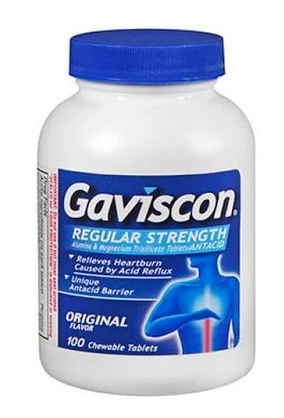 The maker of a leading over-the-counter antacid has withdrawn its application for approval of the drug in China because a clinical trial of the product in that country was marred by “major protocol deviations.”
 Tokyo Women’s Medical University has stripped a researcher of her PhD, following the retraction of a paper — for data duplication — that was based on her thesis.