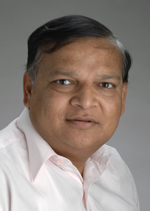
A researcher fired from the University of Kansas Medical Center (KUMC) in 2014 for plagiarizing the work of a Harvard scientist has been barred from receiving Federal U.S. funding for two years.
The sanctions come three years after the U.S. Office of Research Integrity (ORI) tried to impose a three-year ban on funding for Rakesh Srivastava, who appealed the move. In September of this year, Department of Health and Human Services administrative law judge Keith Sickendick recommended a two-year sanction.
In his decision, Sickendick noted that there was no evidence that Srivastava had engaged in research misconduct other than in this incident, and that he denied adding the plagiarized passages to the grant application himself. (Srivastava, who had also worked at the University of Maryland, Baltimore, is last author on a 2002 retraction from the Journal of Biological Chemistry for plagiarism, but it is unclear who was responsible.)
ORI tells Retraction Watch that it is “pleased that the ALJ upheld its findings.
An ‘Eminent Scholar’
Srivastava — along with his wife, Sharmila Shankar — joined KUMC in 2009 to great fanfare: Continue reading Former University of Kansas researcher who plagiarized Harvard prof banned from Federal funding for two years

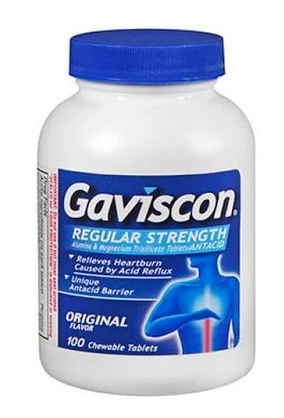 The maker of a leading over-the-counter antacid has withdrawn its application for approval of the drug in China because a clinical trial of the product in that country was marred by “major protocol deviations.”
 The wheels of scientific publishing turn slowly … but they do (sometimes) turn.