Springer Nature will start issuing expressions of concern notices for books after investigating hundreds of its books for integrity-related problems in recent years.
The publishing giant has seen an uptick in the number of investigations for books. In 2022, Springer Nature carried out 124 such investigations. In 2023, that number grew to 207 in 2023 and 217 in 2024, Svetlana Kleiner, a research integrity adviser with the publisher, told attendees of the World Conference on Research Integrity in Vancouver, Canada, last month.
Springer Nature carried out 210 book-related probes last year, she added, and 81 in 2026 as of mid-April.
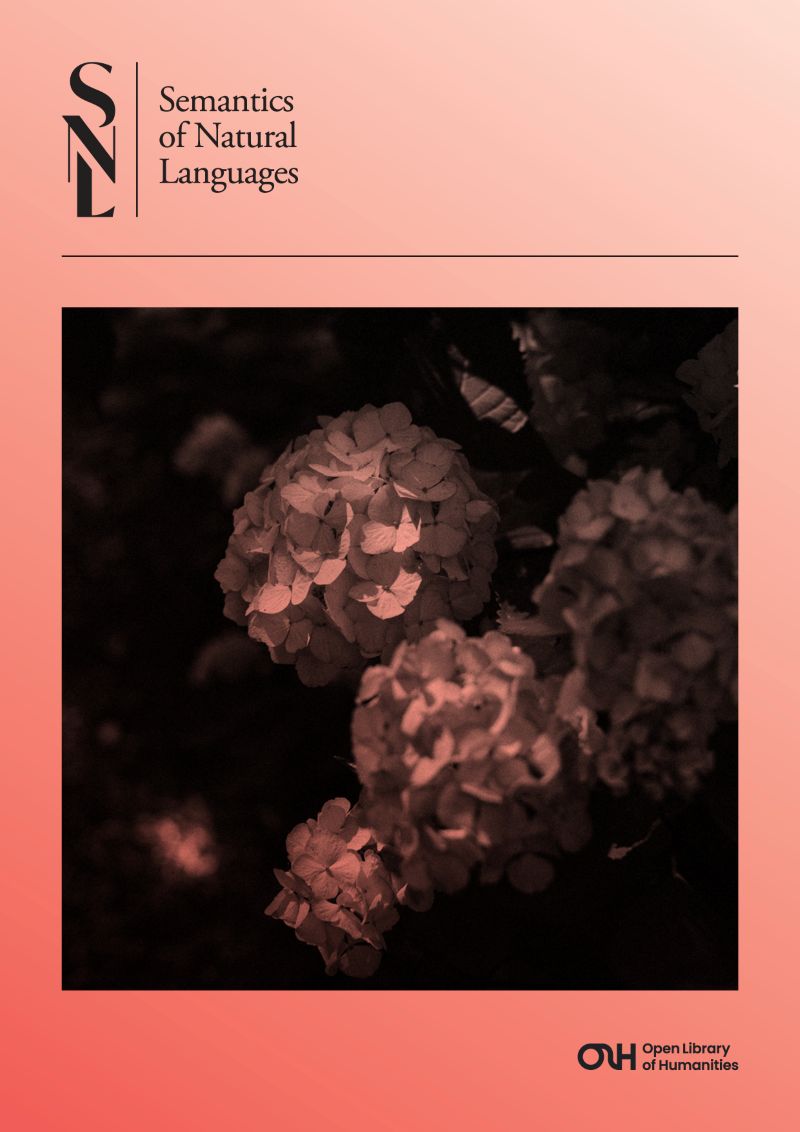
The new journal, Semantics of Natural Languages, launched in May.
The editors of a semantics journal owned by Springer Nature have resigned to launch a new one, citing pressure from the company to increase their annual publication volume by 25%.
The editor-in-chief and the two associate editors Natural Language Semantics resigned from the journal in early April, editor-in-chief Amy Rose Deal, a linguistics professor at the University of California, Berkeley, told Retraction Watch. They resigned in consultation with the 25-member editorial board, which gave “a very high level of support for the move,” Deal said.
In a May 19 open letter, the three resigning editors and the founding co-editors of Natural Language Semantics announced the launch of their new journal, Semantics of Natural Languages. The new journal is published by the Open Library of Humanities, an open-access publisher whose goal “is to liberate university research from commercial control,” according to its website.
Researchers who flagged methodological issues in a paper on birdsong a year and a half before Nature retracted it say they should be credited in the editorial notice. But the editors have refused, with one telling the critics the paper was retracted for unrelated reasons.
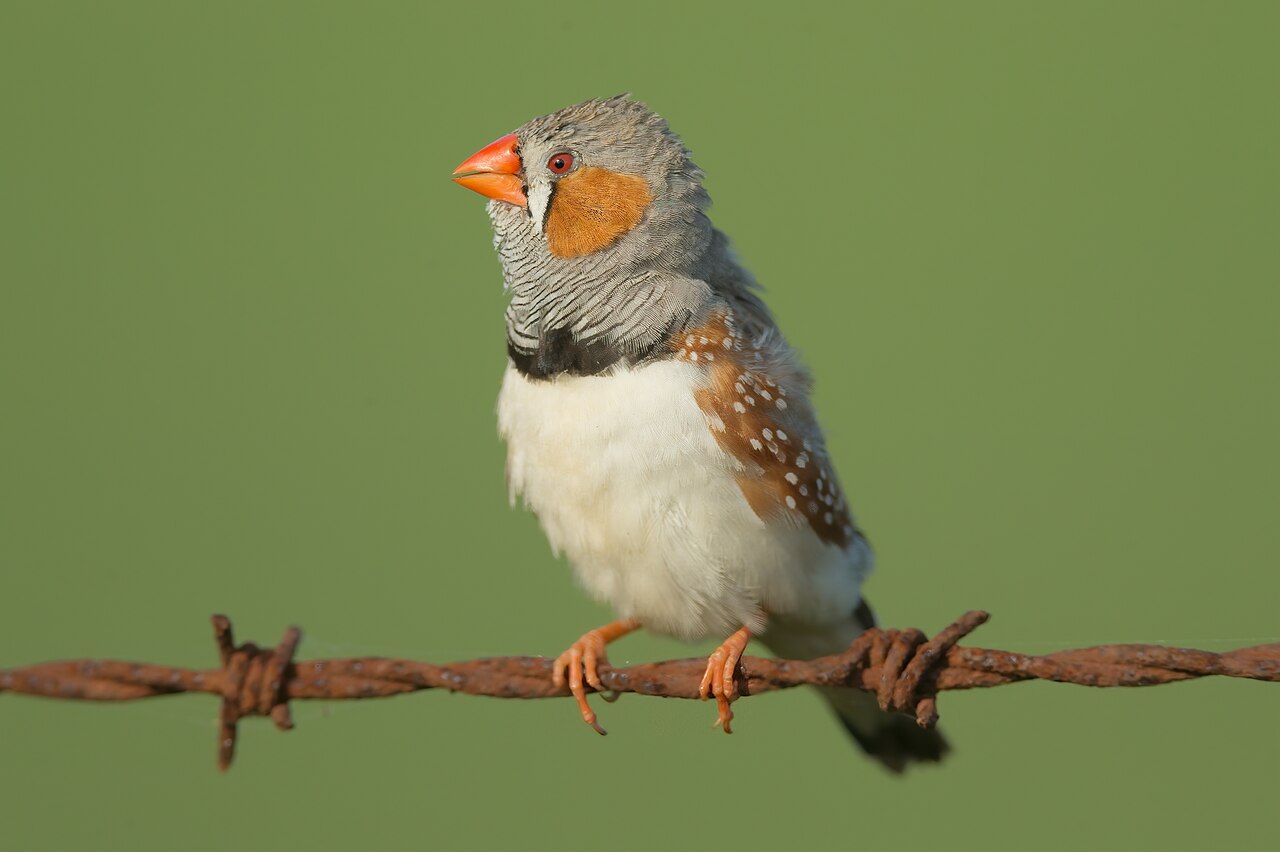
The March 2024 study at the center of the dispute looked at how sexual selection may drive song patterns in male zebra finches. Nature retracted the paper last month because two of the synthetic song pairs used in the study were found to be unreliable, according to the notice. All three authors agreed to the retraction.
Todd Roberts, the paper’s corresponding author, told Retraction Watch the critics now asking for credit “prompted us to check the synthetic song pairs used in our paper.” He said his team did not do the reliability analysis of the pairs until after publication.
Frequencies of reasons 10 publishers have given for retracting articles (source).
While Elsevier outcompetes other publishers in terms of sheer volume, it also has the lowest retraction rate and highest rate of reinstating articles among nine top publishers of scholarly articles, a recent study has found. The study also found a tenth publisher to be an outlier in terms of reasons for retraction.
“Every publisher has their own retraction profile and retraction rates vary by two orders of magnitude,” Jonas Oppenlaender, author of the February preprint and a researcher at the University of Oulu in Finland, told Retraction Watch. “This reflects different editorial cultures and detection strategies, not just different levels of misconduct.”
Oppenlaender examined data from the Retraction Watch Database spanning 1997 to early 2026 to identify the top nine publishers with the most retractions. He also included the Association for Computing Machinery (ACM), “because it is a major professional-society publisher that has not previously been examined in cross-publisher retraction studies,” he wrote in the preprint.
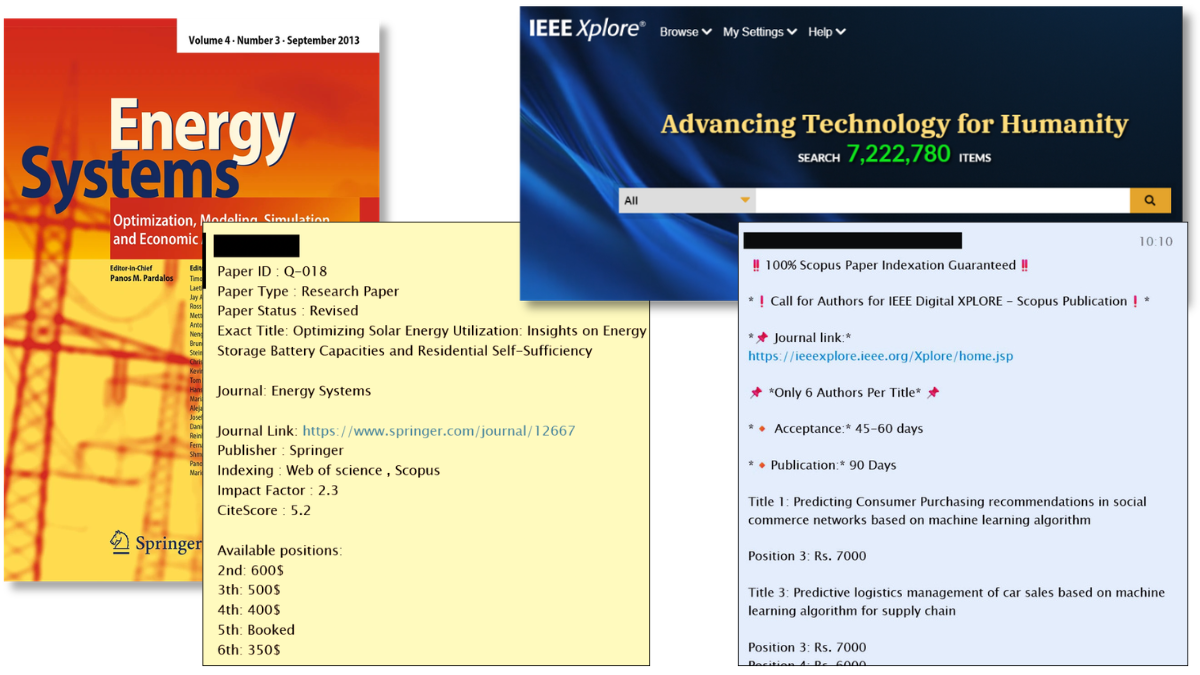
The market for fake authorship on a research paper has prices to match every budget, according to a new dataset compiled from thousands of advertisements on social media platforms and paper mill websites.
The dataset, called BuyTheBy, is the first systematic attempt to understand the market for paper mill products, according to its creators. It compiles more than 18,000 text-based advertisements from seven paper mills operating across India, Iraq, Uzbekistan, Latvia, Ukraine, Russia and Kazakhstan, collected at various points between March 2020 to April 2026. The researchers found prices vary widely depending on geography, ranging from $56 to $5,631 for a first author slot, according to a preprint submitted to arXiv.
Several of the advertisements appear to correspond with published papers subsequently published in the targeted journals, with identical titles to those advertised. But cracking down on the industry with datasets such as these will be difficult, some experts say, especially as the business model evolves rapidly with AI.
A chemist in Austria who earned a retraction earlier this year is under investigation by his former university, a national research integrity agency and the publisher Elsevier, Retraction Watch has learned, while scrutiny of his publication record has broadened to include more papers flagged on PubPeer.
Maximilian Lackner, a technical chemist and process engineer at FH Technikum Wien in Austria until October last year, according to his ORCID profile, was the senior and corresponding author on a paper in npj Science of Foodretracted in January after publishers discovered the five of the cited references weren’t relevant to the claims they were meant to be supporting. The 2024 article has been cited 90 times, according to Clarivate’s Web of Science.
Editors also pointed out the information in a flow diagram for selecting studies didn’t appear anywhere else in the article. One of the authors, Fatemeh Ahmadi of the University of Western Australia, told the journal she and Lackner disagreed with the retraction. When we asked why, Ahmadi said the authors were “not interested” in our request for further information.
Springer Nature has launched a new agriculture journal under the troubled Cureus brand. As part of its launch, the publisher invited at least one researcher with irrelevant specialities to join its editorial board, Retraction Watch has learned.
The new journal comes after Clarivate’s Web of Science delisting the original and long-embattledCureus Journal of Medical Science in October for concerns about article quality.
The flagship Cureus was founded in 2009 by John Adler Jr., a Stanford University neurosurgeon, as an open-access journal for clinicians who didn’t have grants. Springer Nature acquired the journal in December 2022. In 2024, the publisher launched Cureus Journals — open-access journals on engineering, computer science and business — using the brand name.
As a hospital librarian, Jessica Waite is typically successful at tracking down elusive articles for clinicians at Royal Hallamshire Hospital in England. So when a colleague couldn’t locate two references in a paper and asked for help, the librarian grew suspicious.
“These were recent references, which usually we have no problem finding,” Waite told us. “I looked at the issues of the journals where the article should have been, and there were completely different articles, so I immediately thought that the articles we had been asked to find were not real.”
The references were from an article exploring mental health integration after bowel diversion surgery published in Digestive Diseases and Sciences (DDS), a Springer Nature title.
We’ve seen all kinds of articles that got published despite having references that don’t exist. But this was a new one: a paper with a made-up reference to the journal in which it appears.
While nonexistent references can indicate the use of a large language model in generating text, the authors maintain they used AI according to the journal’s guidelines.
The letter to the editor, published in December 2024 in Intensive Care Medicine, explored ways AI could help clinicians monitor blood circulation in patients in intensive care units. The 750-word letter included 15 references.
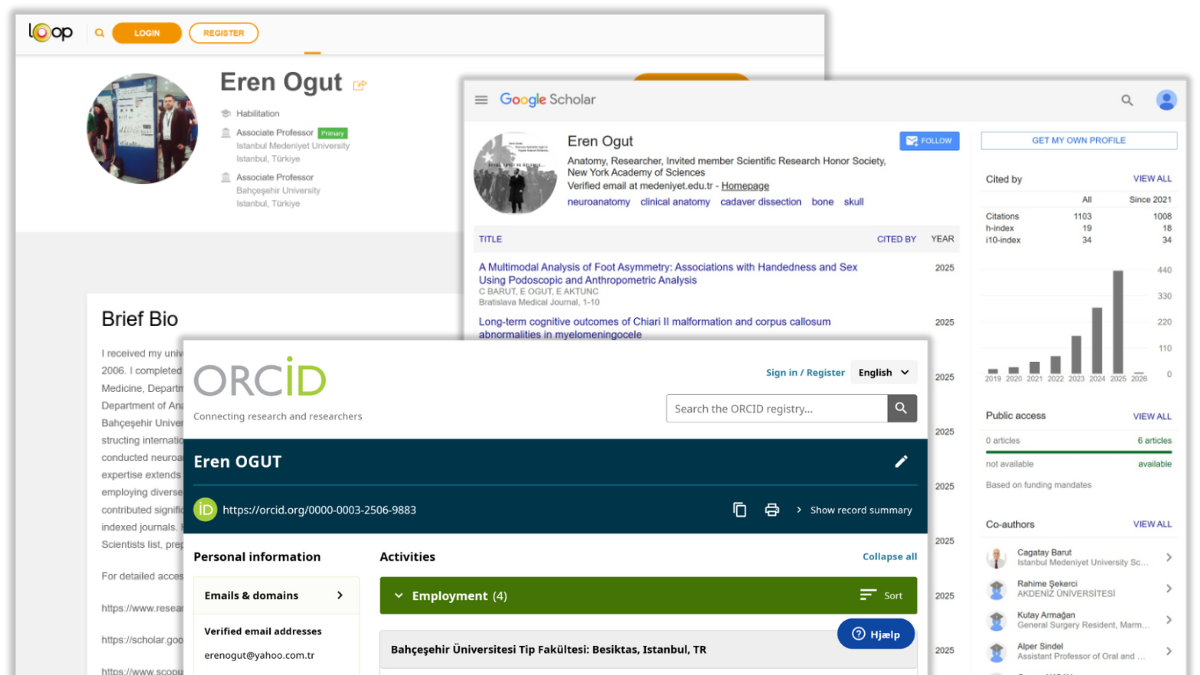
After we reached out to Eren Öğüt, his profiles at Google Scholar, ORCID and Frontiers’ Loop all vanished.
The reviewer, a neuroscientist in Germany, was confused. The manuscript on her screen, describing efforts to model a thin layer of gray matter in the brain called the indusium griseum, seemed oddly devoid of gist. The figures in the single-authored article made little sense, the MATLAB functions provided were irrelevant, the discussion failed to engage with the results and felt more like a review of the literature.
And, the reviewer wondered, was the resolution of the publicly available MRI data the manuscript purported to analyze sufficient to visualize the delicate anatomical structure in the first place? She turned to a colleague who sat in the same office. An expert in analyzing brain images, he confirmed her suspicion: The resolution was too low. (Both researchers spoke to us on condition of anonymity.)
The reviewer suggested rejecting the manuscript, which had been submitted to Springer Nature’s Brain Topography. But in November, just a few weeks later, the colleague she had consulted received an invitation to review the same paper, this time for Scientific Reports. He accepted out of curiosity. A figure supposed to depict the indusium griseum but showing a simple sine wave baffled him. “You look at that and think, well, this is not looking like an anatomical structure,” he told us.