Another Sydney investigation of astrophysicist leads to retractions

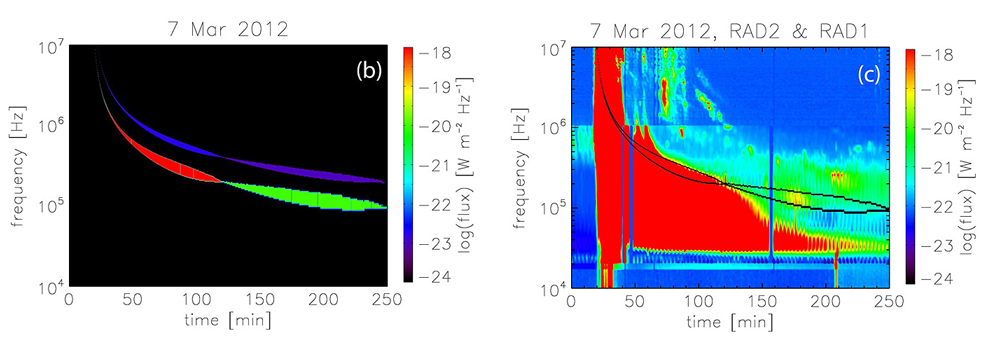
A 2014 paper has been retracted following an investigation that concluded several of the figures, including those shown here, were “likely fabricated.”
J.M. Schmidt et al./JGR: Space Physics 2014

The University of Sydney has once again investigated the work of a former research fellow in its physics department, this time resulting in the retraction of two papers over concerns that data in several figures were likely fabricated. 

In September, the Journal of Geophysical Research: Space Physics retracted two articles by Joachim Schmidt, who was at the University of Sydney from 2010 to 2021. 

As Retraction Watch reported in 2023, the university previously investigated work from Schmidt and his supervising professor, Iver Cairns. Researchers at the University of Michigan had raised concerns about a figure in a draft manuscript supposedly created using a simulation model developed by the Michigan team. Sydney’s investigation found Schmidt had used Adobe Photoshop to create or alter the images, which could not be reproduced by digital forensic experts or by Schimdt himself. 

Continue reading Another Sydney investigation of astrophysicist leads to retractions
‘Springer’ agency website offering authorship for sale goes down following Retraction Watch story

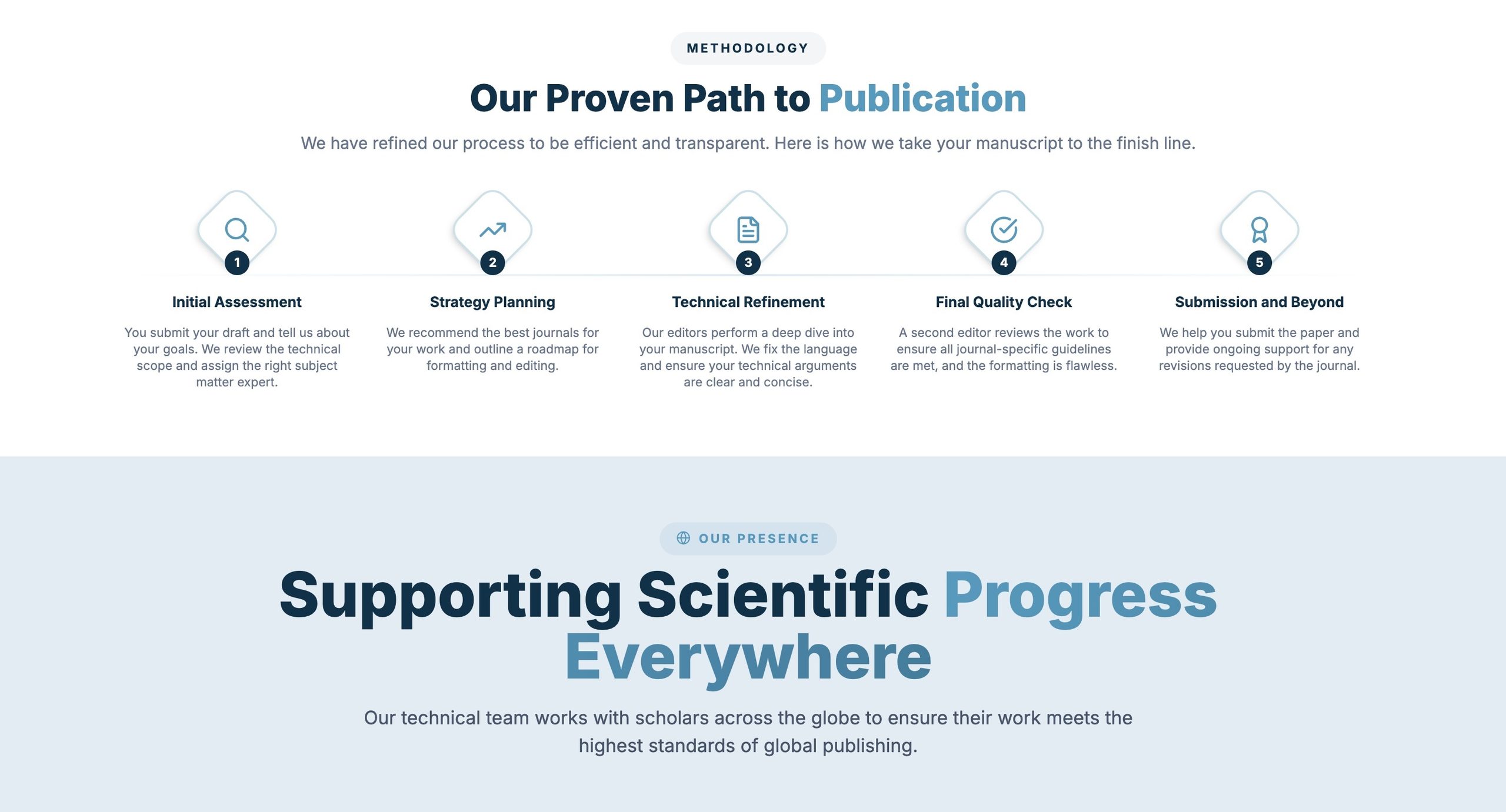
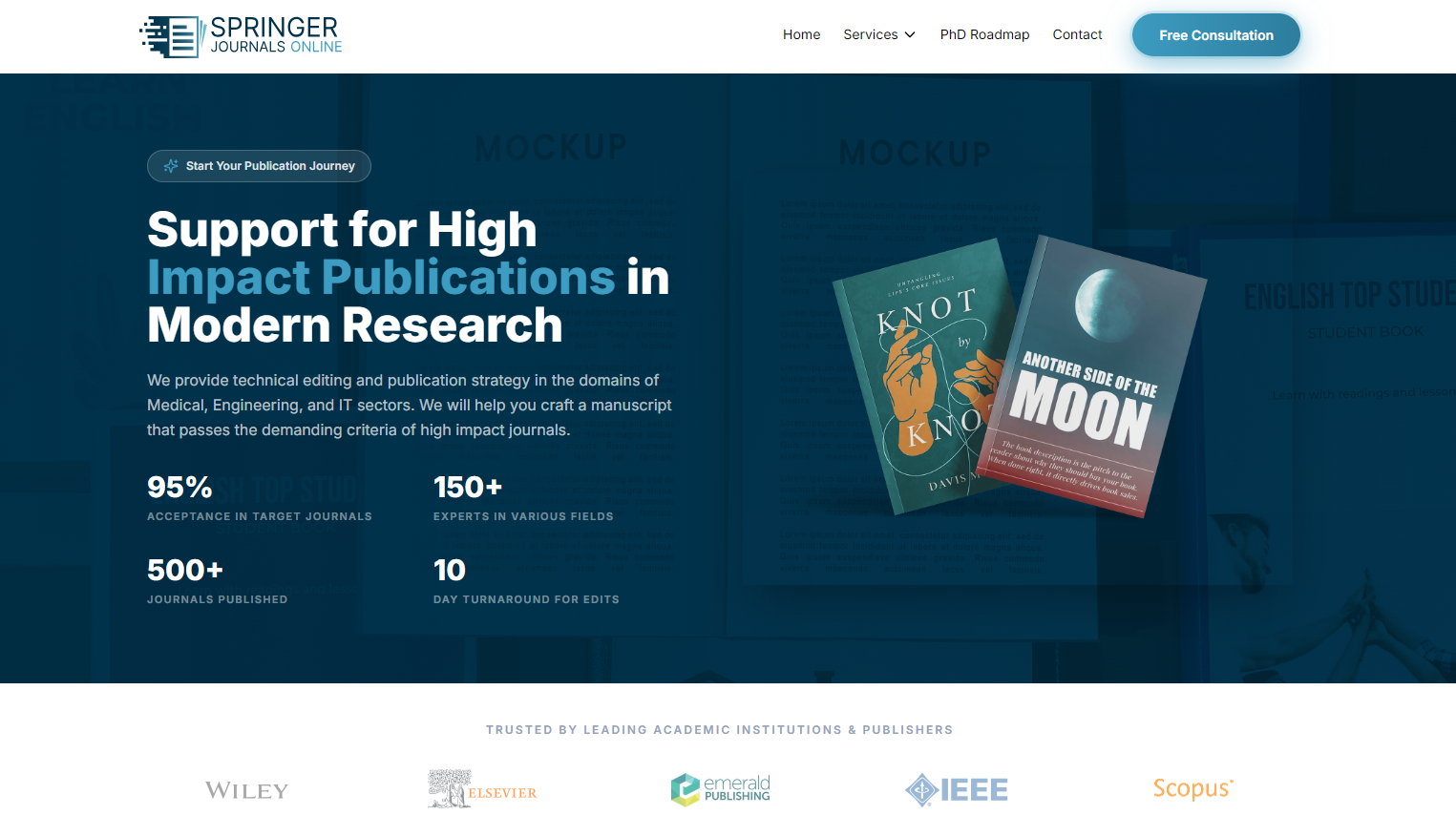
A screenshot from the “Springer Journals Online” website before it went down on Friday.

The website for Springer Journals Online, an agency offering authorship slots in articles in exchange for payment, has gone offline, four days after Retraction Watch published its investigation into its activities.

As we reported on Monday, the agency was soliciting researchers offering services that included securing authorship in research articles intended for journals published by Elsevier, Springer Nature, Taylor & Francis, Wiley and SAGE, among others. 

Springer Journals Online did not immediately respond to a request for comment by email asking why the website was unavailable, if it had halted operations, or if it wished to address our previous story. No one answered calls made via WhatsApp.

Continue reading ‘Springer’ agency website offering authorship for sale goes down following Retraction Watch story

A company named Springer that isn’t the publisher is offering authorship for sale

The homepage for Springer Journals Online offers to “help you craft a manuscript that passes the demanding criteria of high impact journals.”

Computer scientist Richard Fateman got an email in August that was completely “out of the blue”: an offer of coauthorship in articles headed for publication in prestigious journals, in exchange for a fraction of the publication costs. 

Fateman, professor emeritus at the University of California, Berkeley, retired 18 years ago, so he was alarmed by the offer from a company called “Springer Journals Online.” He thought it was a scam or a phishing attempt to get money, he told Retraction Watch. 

He replied to the email, asking “‘are you for real?’” He also talked to his colleagues at Berkeley to ask if they had ever received similar offers. “I got a response from one or two people saying they’re not entirely surprised,” Fateman said. “And, ‘isn’t it a shame that this is going on?’”

Continue reading A company named Springer that isn’t the publisher is offering authorship for sale

A paper suggested a paleontologist’s fossil was forged. He wants it retracted.

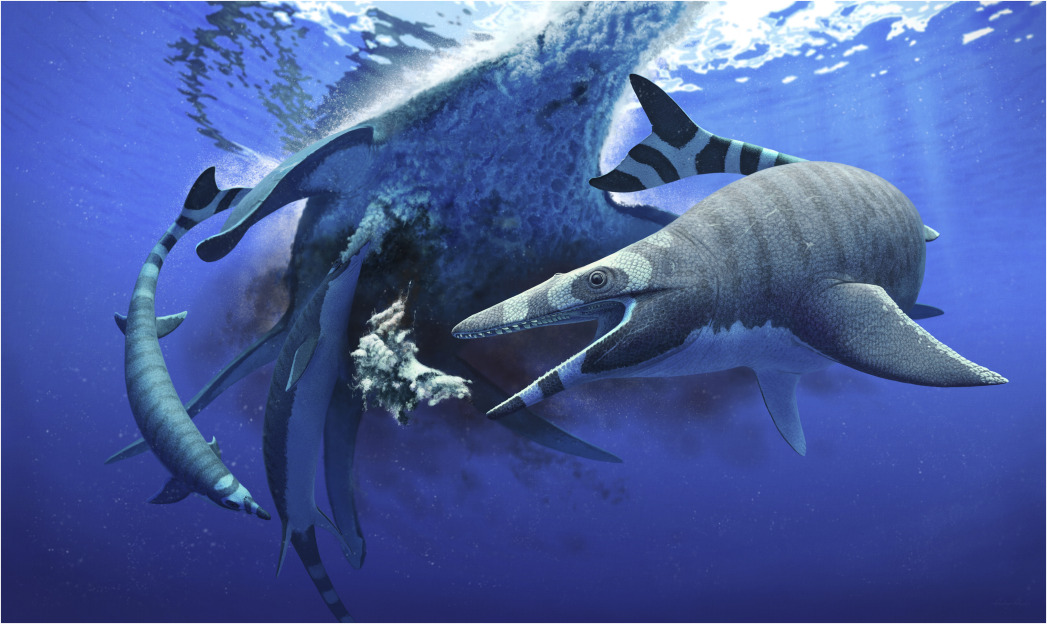
An artist’s reconstruction of a mosasaur first described by Nicholas Longrich and colleagues in 2021.
by Andrey Atuchin, 2020, in: N.R. Longrich et al/Cretaceous Research 2021

Nicholas Longrich would like to set the record straight. 

The paleontologist at the University of Bath in England and his colleagues described what they believed to be a new species of marine reptile in 2021, based on a Moroccan fossil found in a mine. But in 2024, another group of researchers questioned the fossil’s authenticity, pointing out the arrangement and orientation of its teeth “most likely result from forgery” based on published photos and documented alteration in other specimens from that region.

Late last year, Longrich and colleagues published CT scans of the original fossil as well as a new specimen of the species, saying it demonstrated their discovery was genuine. Longrich told us he sent the raw CT data confirming the sample “is authentic” to The Anatomical Record, which had published the critique, seeking an expression of concern or retraction of that paper. 

Continue reading A paper suggested a paleontologist’s fossil was forged. He wants it retracted.

Lancet union declares first-ever strike over staff wages

Union members at The Lancet and its affiliated journals will go on strike Sept. 22 for one day with further action planned for the following week, after pay negotiations with parent publisher Elsevier fell apart, The Lancet’s union announced today. 

The strike is the first in The Lancet’s 200-year history. Elsevier was ordered to recognize the union, a chapter of the National Union of Journalists (NUJ), in September 2025, and their collective bargaining agreement was finalized in February. As part of the action the union, which represents 110 employees in various roles across several of The Lancet’s 30 journals, is also calling on members to refuse to work hours outside their contracted amount.

Negotiations on pay and support for workers began in March when the union asked for a 7.5% pay raise in the first year. According to an open letter from the union, workers’ pay had failed to keep up with inflation, leaving them “substantially worse off than they were five years ago despite their growing expertise and responsibilities.”

Continue reading Lancet union declares first-ever strike over staff wages