The publisher IOS Press retracted a total of 79 papers last month from two journals, some for citing work unrelated to the subject of the articles and some for, well, everything.
The retraction notice in one of the titles, the Journal of Intelligent & Fuzzy Systemsreads:
Welcome to another edition of Weekend Reads. Because our site was down for several days starting last Saturday morning, there was no Weekend Reads last week, and this is a double edition.
The Institute of Electrical and Electronic Engineers (IEEE) has retracted a paper it published in 2006 that was identical to another paper it published that same year.
We alerted IEEE to the identical papers on October 7. The next day, a spokesperson said she was initiating an inquiry. And on November 10, the spokesperson sent us this statement:
The University of Glasgow is requesting the retraction of multiple papers by a pharmacology researcher who held various positions there for more than a quarter century.
The story begins in December 2016, when biostatistician Steven McKinney posted on PubPeer about a paper by the researcher, Miles Houslay, in the Journal of Biological Chemistry. That paper was eventually retracted in August 2020, but not before McKinney posted a comment on Retraction Watch that caught the eye of the pseudonymous Clare Francis.
Francis pointed us to comments about a total of eight of Houslay’s papers at that time. And in August 2020, when the JBC retraction appeared, Francis forwarded those to the King’s College, London, where Houslay is listed as having a faculty position, and the University of Glasgow, which he left in 2011.
The news, which was first noted by Nick DiRienzo, who co-authored papers with Pruitt but has been one of the scientists trying to cleanse the scientific record of Pruitt’s problematic work, suggests that Priutt now lacks a PhD, generally considered a requirement for professorships.
If you file public records requests regularly, you have likely become used to how long they can take, and how few documents you may end up with. We certainly have. But we’re prompted to share a particularly frustrating experience with the NIH.
Settle in. This is a three-and-a-half year tale — and counting.
On May 8, 2018, we made a public records request to the NIH under the Freedom of Information Act for “Any Correspondence between the Office of Policy for Extramural Research Administration (OPERA) and officials at Duke University during the month of March 2018.” We did so because, as we reported on March 23, 2018 in Science, the NIH had:
Enamul Haque, whose master’s thesis was plagiarized by other authors
In June of this year, Enamul Haque, a PhD student at the University of Waterloo, in Canada, came across an article in the International Journal of Advanced Computer Science and Applications (IJACSA).
It looked familiar.
That’s because it was copied, in large part, from Haque’s master’s thesis, which he had completed at Canada’s McMaster University and submitted the previous year. Haque wrote to Kohei Arai, the journal’s editor in chief, on June 30, providing detailed evidence of plagiarism:
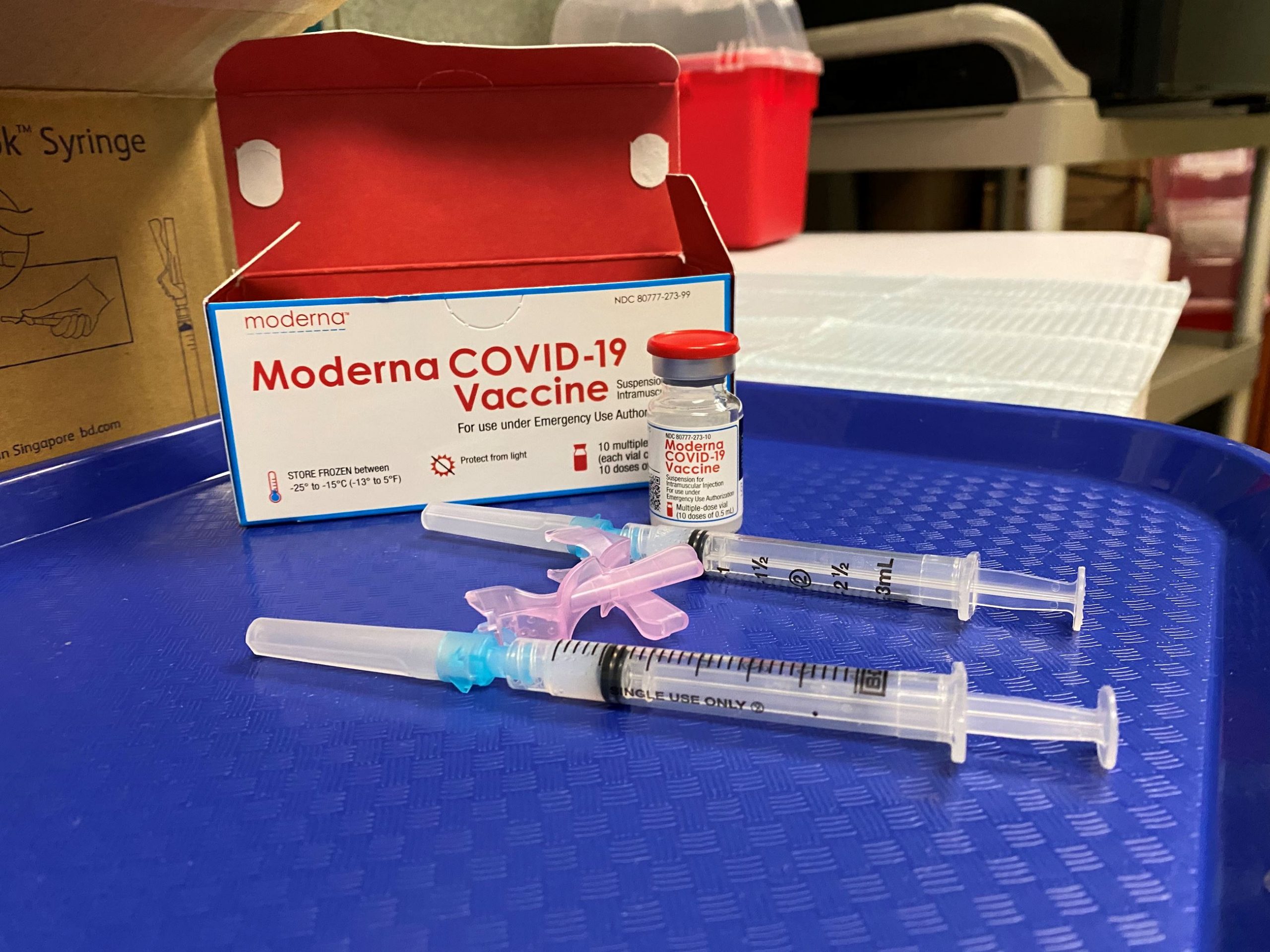
A paper claiming that cases of myocarditis spiked after teenagers began receiving COVID-19 vaccines that earned a “temporary removal” earlier this month will be permanently removed, according to a publisher at Elsevier.
Sometime between then and October 17, the article was stamped “TEMPORARY REMOVAL” without explanation other than Elsevier’s boilerplate notice in such cases: