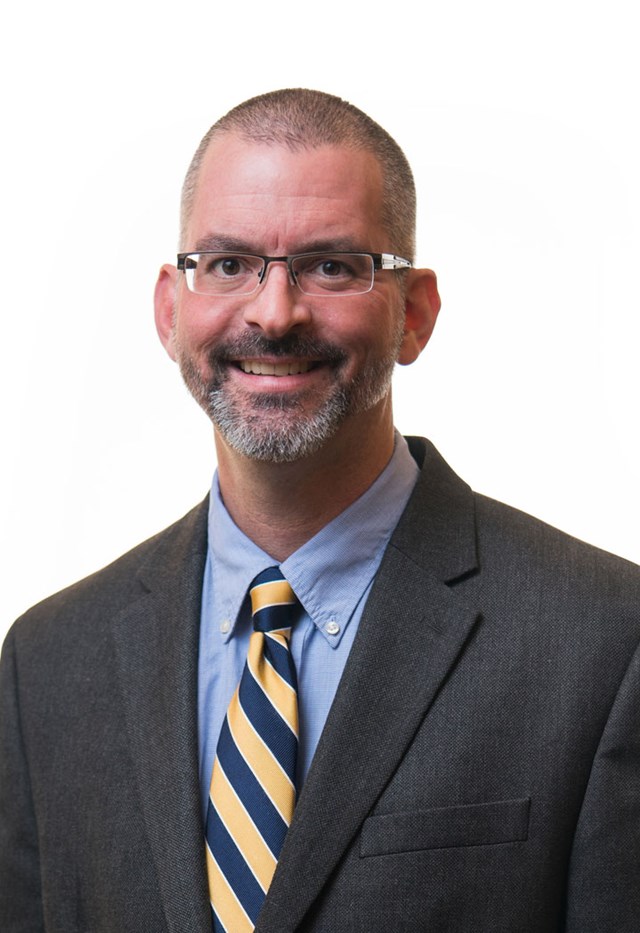
Philosopher Michael Dougherty doesn’t take plagiarism sitting down. Over the years, the researcher at Ohio Dominican University has tipped us off to numerous instances of plagiarism he’s spotted. And it turns out, he’s done the same thing for publishers, as well. In a new paper in Metaphilosophy, Dougherty describes his experience contacting publishers over an instance of what he terms “serial plagiarism,” and how they responded – or didn’t respond – to his allegations.
Retraction Watch: Your paper focuses on the publications of one author – Martin W. F. Stone – who you claim has plagiarized numerous times. (We’ve reported on 14 retractions for Stone.) What made you decide to undertake this work?
Continue reading Does the philosophy literature have a plagiarism problem?
 In six weeks, new policies for handling misconduct in Denmark will go into effect, which alter the definition of misconduct and establish clear policies for who handles such allegations.
 A diabetes journal has issued two notices of concern for papers co-authored by a researcher who took another publisher to court after it did the same thing — but
  Chinese biomedical researchers estimate that 40% of research in their country has been affected in some way by misconduct,
  Could a scientific paper ever be considered an advertisement?
 In August, the U.S. Office of Research Integrity announced that a former postdoctoral fellow at the National Human Genome Research Institute (NHGRI)