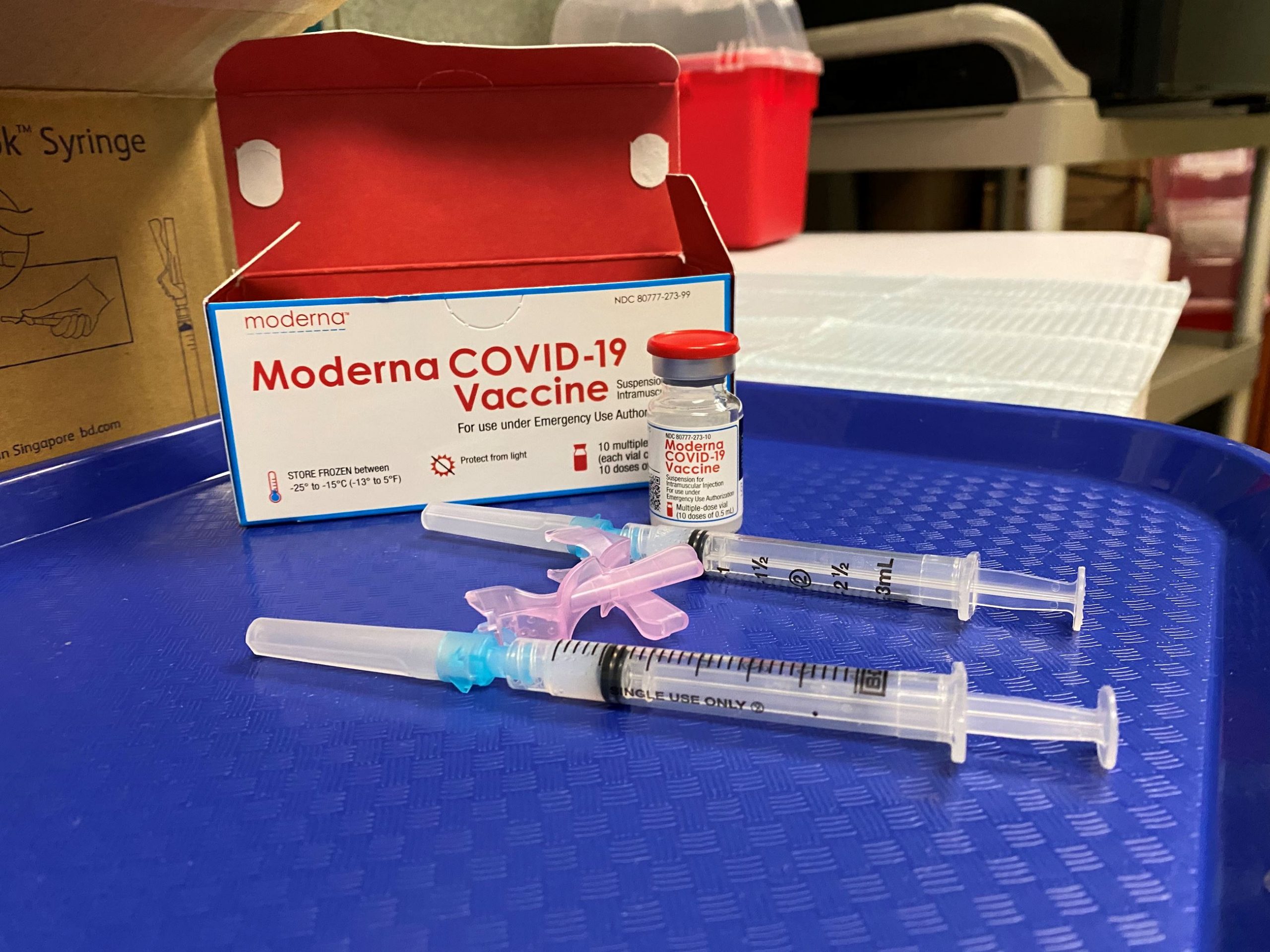
The authors of a study purportedly showing that ivermectin could treat patients with SARS-CoV-2 have retracted their paper after acknowledging that their data were garbled.
According to the society, Saitoh had committed ethics violations in 10 articles, three of which had already been retracted and seven of which remained in the wild. (Saitoh had been a frequent co-author with Yoshitaka Fujii, currently our record holder for most retractions by a single researcher — 183 — but the JSA report found that he’d committed misconduct on his own, too. He has 53 retractions, according to our count, placing him seventh on our leaderboard.)
Four of those 10 articles appeared in the Canadian Journal of Anesthesia and two others were published in the British Journal of Anaesthesia. (The seventh paper, in the Fukushima Journal of Medical Sciences, has since been retracted.)
The publishing firm Wiley says it is investigating a pivotal paper about a controversial public health tool after Retraction Watch reported on a robust critique of the article which highlighted a number of potentially serious flaws with the research.
We’re talking about the Morisky Medication Adherence Scale (MMAS), whose developer, Donald Morisky, has been hitting researchers with hefty licensing fees — or demands to retract — for nearly two decades.
One of the key papers supporting the validity of the MMAS-8 (the second iteration of the MMAS) was a 2008 article by Morisky and colleagues in the Journal of Clinical Hypertension.
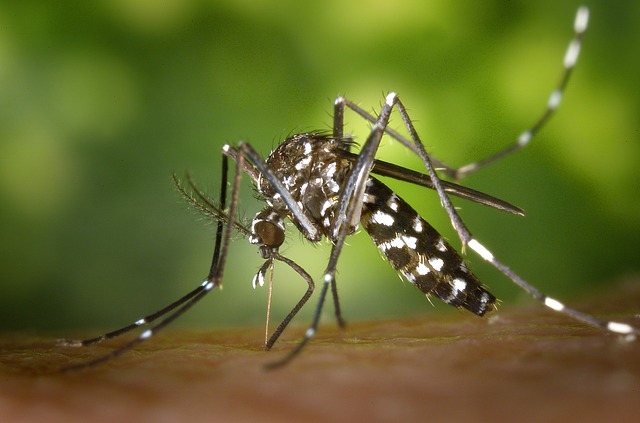
A virology journal has retracted and replaced a 2021 article on mosquito-borne infections in Africa after one of the authors identified errors in the publication — an episode that has prompted a change in practice at the journal to avoid similar issues in the future.
The article, “Mosquito-borne arboviruses in Uganda: history, transmission and burden,” was written by a group in the United Kingdom and Uganda and appeared in the Journal of General Virology last June.
As long-time readers of this blog know, we’ve spilled more than a few pixels on the work of Donald Morisky. His Morisky Medication Adherence Scale (MMAS) has been a financial boon to himself — and the bane of many researchers who have been forced to either retract papers or pay Morisky what they consider to be exorbitant fees to retroactively license the instrument.
But lately things have been a bit rocky for Morisky. Last year, he and his former business associate (read, legal enforcer) found themselves embroiled in a lawsuit which claims, as we reported, that Morisky used:
their company as a personal piggy bank and taking steps to starve the business of clients and funnel money to his family.
And now, a researcher has questioned the validity of the MMAS, arguing that his review of a foundational paper underpinning the instrument shows serious flaws.
The authors of a study comparing hydroxychloroquine and the antiviral agent favipiravir as treatments for COVID-19 have lost the paper after post-publication peer review determined that the data did not support the conclusions.
A journal has retracted a study that sought to dispel fears about the risks — real and inflated — associated with travel to high altitudes after receiving complaints from a group of experts who found fault with the paper.
That’s the official version. The backstory is somewhat more complex.
“Acute Mountain Sickness, High Altitude Pulmonary Edema, and High Altitude Cerebral Edema: A view from the High Andes” was published online in February 2021 in Respiratory Physiology & Neurobiology, an Elsevier title. The authors were Gustavo Zubieta-Calleja and his daughter, Natalia Zubieta-DeUrioste, of the High Altitude Pulmonary and Pathology Institute in La Paz, Bolivia — which, at nearly 12,000 feet above sea level, is no stranger to hypoxia.
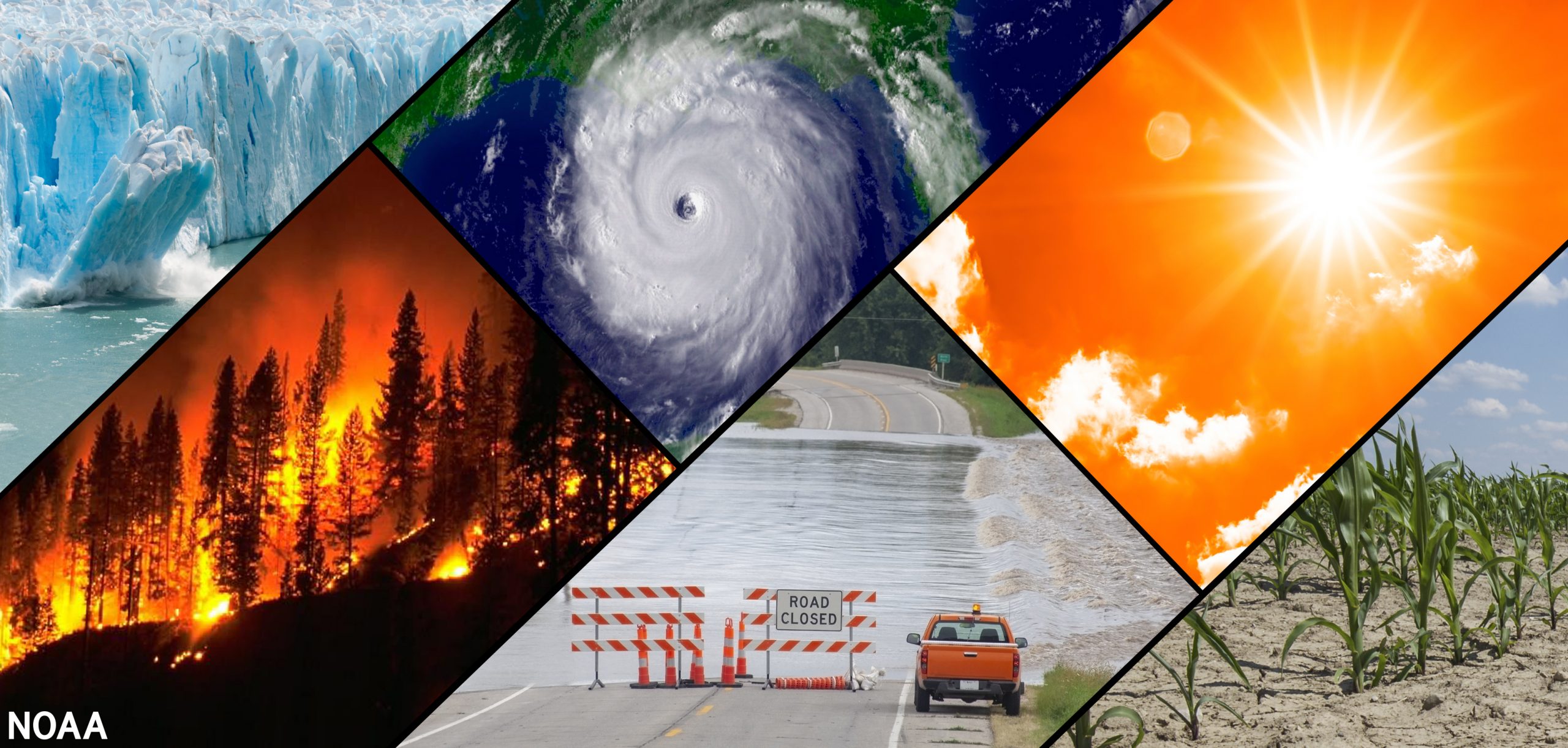
As anyone who follows the climate news is aware, July 2021 was the hottest month on record for our torrid little orb, according to the National Oceanic and Atmospheric Administration (NOAA), with a combined temperature 1.67 degrees F higher than the 20th century average of 60.4 F.
NOAA noted in a Friday press release that the previous record was set in July 2016, and tied in 2019 and 2020. But as Bill Frezza, a sharp-eyed reader of Retraction Watch noticed, the agency’s website tells a different story. This press release, dated Aug. 15, 2019, and still live on noaa.gov, proclaims July 2019 to be the hottest month on record for the planet:
A World Health Organization (WHO) database of papers about COVID-19 contains hundreds of articles published in hijacked journals whose publishers have stolen titles and legitimacy from the original publications.
That’s what I found when I analyzed the WHO’s “COVID-19 Global literature on coronavirus disease,” which as of August 1 included more than 318,000 papers sourced from typically trusted databases including the U.S. National Library of Medicine’s Medline, Elsevier’s Scopus, and Clarivate Analytics’ Web of Science.
But the collection hosts hundreds of papers published in hijacked journals with fraudulent publishing practices. Hijacked, or clone, journals mimic legitimate publishers by creating a clone website or registering an expired one. They accept papers — often wildly out of scope of the original publication — without peer review, and collect fees from the authors.
A group of researchers in Canada and India have lost a paper on vaccine hesitancy and Covid-19 because they didn’t have the proper license to mine a database of news articles used in the study.
The paper, “Tracking COVID-19 vaccine hesitancy and logistical challenges: A machine learning approach,” was published in PLOS ONE on June 2. Led by Shantanu Dutta, of the Telfer School of Management at the University of Ottawa, the researchers set out to: