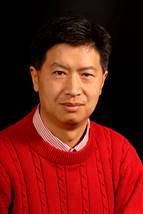
The University of Wyoming has requested that journals retract 33 papers by a former associate dean and “highly cited researcher” at the institution.
The news came just a week after we broke the story that heart researcher Jun Ren had been demoted following an earlier investigation. At the time, a university spokesperson told us that “Based on the findings of this examination, the university is recommending retraction of several publications due to concerns regarding data irregularities inconsistent with published conclusions.”
A university investigation found an emeritus professor had committed research misconduct after reviewing dozens of allegations, culminating in a recommendation to retract 10 papers and revoke his emeritus status.
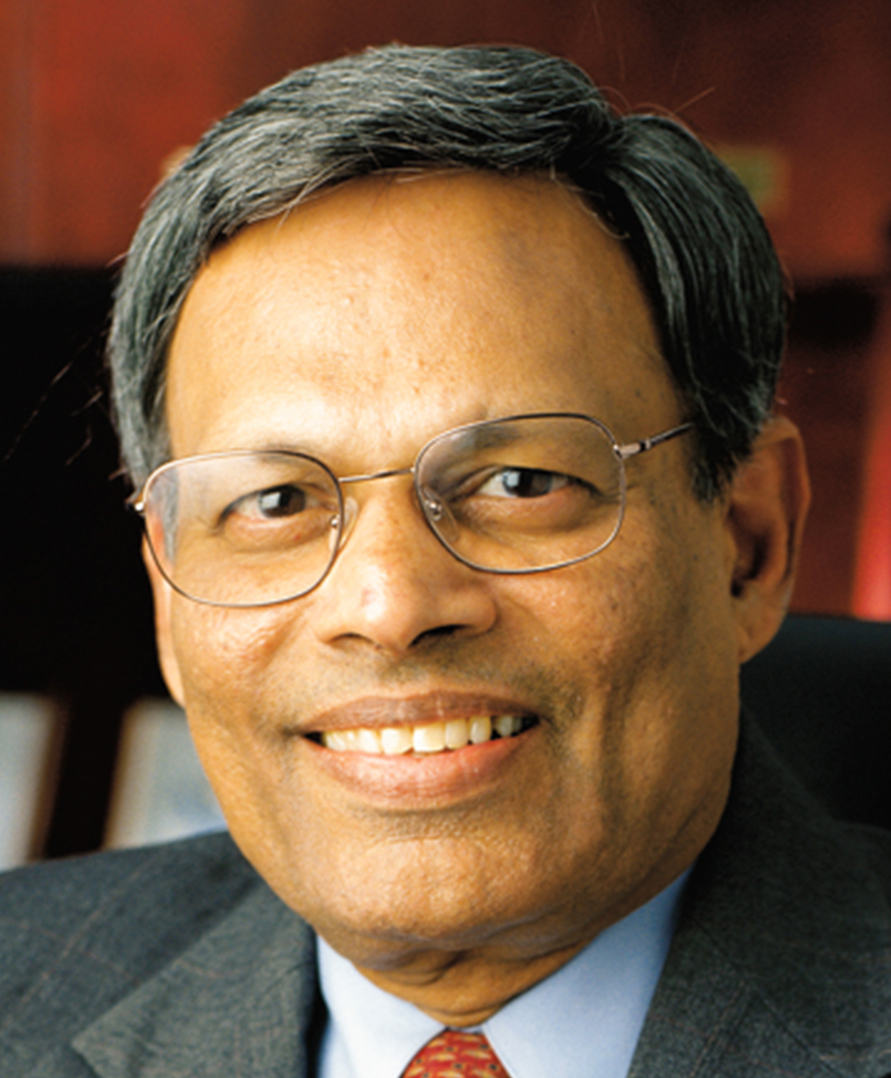
The Ohio State University investigated 20 manuscripts by the cancer research group of Samson Jacob after the university received allegations in 2017 of image manipulation stretching over years of work, according to a misconduct investigation report we obtained via a public records request.
The 209-page report, dated February 9, 2021, tells the story of an investigation spanning more than a decade of Jacob’s lab’s work that encountered “dishonesty” from the lab members interviewed.
After determining that Jacob had committed research misconduct, the investigation committee recommended sanctions and asked for the immediate retraction of 10 papers in addition to the 10 that had already been addressed (nine retracted and one corrected) prior to the close of the inquiry. The school revoked Jacob’s emeritus position in May 2021, the OSU Lantern reported at the time.
The investigation committee reviewed 67 allegations, but declined to probe many more concerns that surfaced for the sake of time, according to the report.
Researchers in Iran have lost a paper on Covid-19 infection in a two-month-old boy after the journal learned that they’d fabricated ethics approval for the article.
“Coronavirus disease 2019 in a 2-month-old male infant: a case report from Iran” appeared in December 2020 in Clinical and Experimental Pediatrics. The senior author of the paper was Sajjad Ahmadpour, of the Gastroenterology and Hepatology Diseases Research Center at Qom University of Medical Sciences.
A civil engineering researcher will soon have 12 retractions to his name after a data sleuth notified journals of issues with image reuse in the papers.
Jorge de Brito, a professor at the University of Lisbon, has lost four papers in Construction and Building Materials, two in the Journal of Building Engineering, of which he had been editor-in-chief, and another in Engineering Structures since we reported in March on retractions for a pair of researchers in Iran with whom de Brito had coauthored papers.
A journal has retracted 30 papers that “could be linked to a criminal paper mill.” The move comes six and a half months after Retraction Watch published an investigation into the operation.
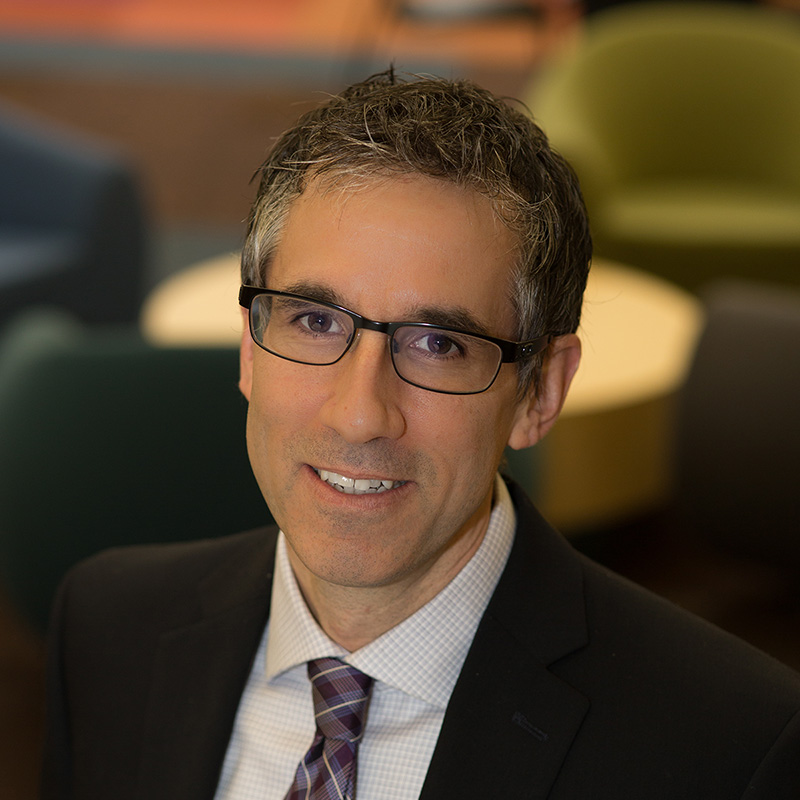
The investigation, by Brian Perron of the University of Michigan, high school student Oliver Hiltz-Perron, and Bryan Victor of Wayne State University, identified nearly 200 published papers with apparent links to a Russian company named International Publisher. Many of those articles were published in the International Journal of Emerging Technologies in Learning, or iJET, and the researchers notified the journal of their findings.
In an announcement about the retractions and each retraction notice, iJET editors specifically cite the investigation and Perron’s communications.
A journal has retracted a paper reporting the results of a clinical trial in which a drug cut COVID-19 hospitalization for men by 90%.
The research group’s other work has attracted a lot of attention in Brazil – including praise from president Jair Bolsonaro and criticism from research regulators – for their dramatic results. In a Twitter thread, one of the authors claimed, without evidence, that the journal “may have received bribery to persecute us and retract our study.”
A group of researchers in Japan who lost a paper earlier this spring in Science for misconduct have notched two more retractions, bringing their total to three.
As we reported in April, Science pulled a 2020 article led by Masaya Sawamura, of Hokkaido University, in Sapporo, saying the authors discovered:
A paper about the discovery of “the first potent and specific anti-COVID-19 drug” has been retracted after it emerged that the compound wasn’t so novel after all.
The article, published in May 2021 in Chemical Papers has been cited seven times, according to Clarivate Analytics’ Web of Science.
As the paper’s sole author, Amgad M. Rabie, writes in the abstract:
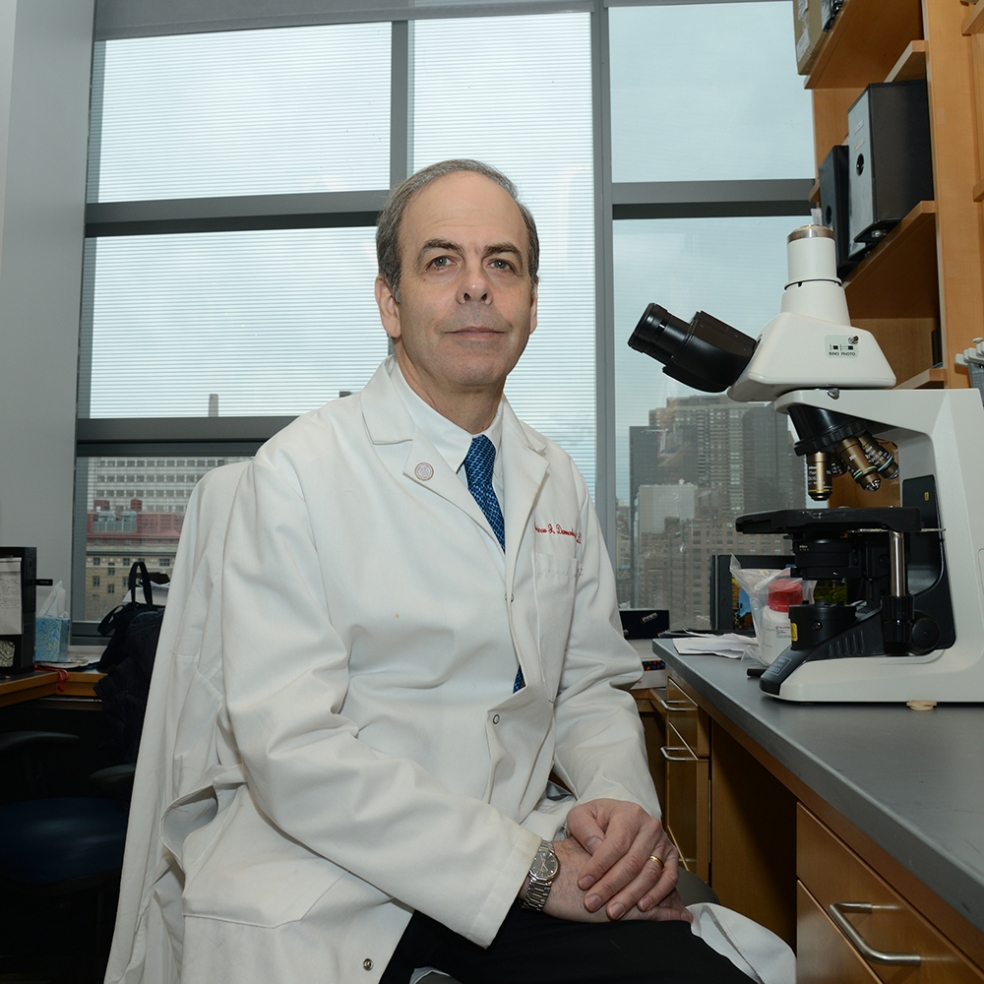
The journal Cancer Prevention Research has retracted nine papers at once from a group of cancer researchers led by Andrew Dannenberg, formerly of Weill Cornell Medicine.
The bundle of retractions brings Dannenberg’s total to 20, according to our database, nearly doubling the 11 he had previously. Kotha Subbaramaiah, also formerly of Weill Cornell Medicine, is a coauthor on all of the newly retracted papers, and two of the notices point the finger at figures that he prepared.
Dannenberg and Subbaramaiah retired from Cornell in the space of three months in late 2020 and early 2021, Retraction Watch has learned, and the university has forwarded a report of their investigation into the matter to the U.S. Office of Research Integrity.