Exclusive: OSU investigation finds dishonesty and “permissive culture of data manipulation” in cancer research lab

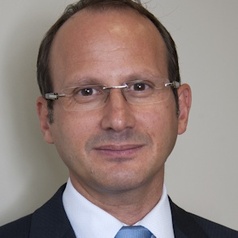
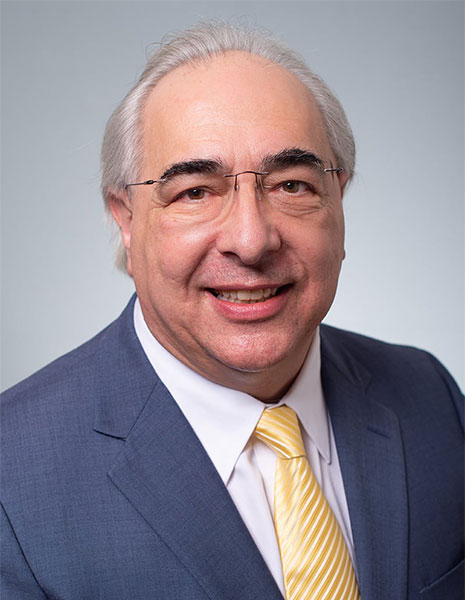
Samson Jacob

A university investigation found an emeritus professor had committed research misconduct after reviewing dozens of allegations, culminating in a recommendation to retract 10 papers and revoke his emeritus status. 

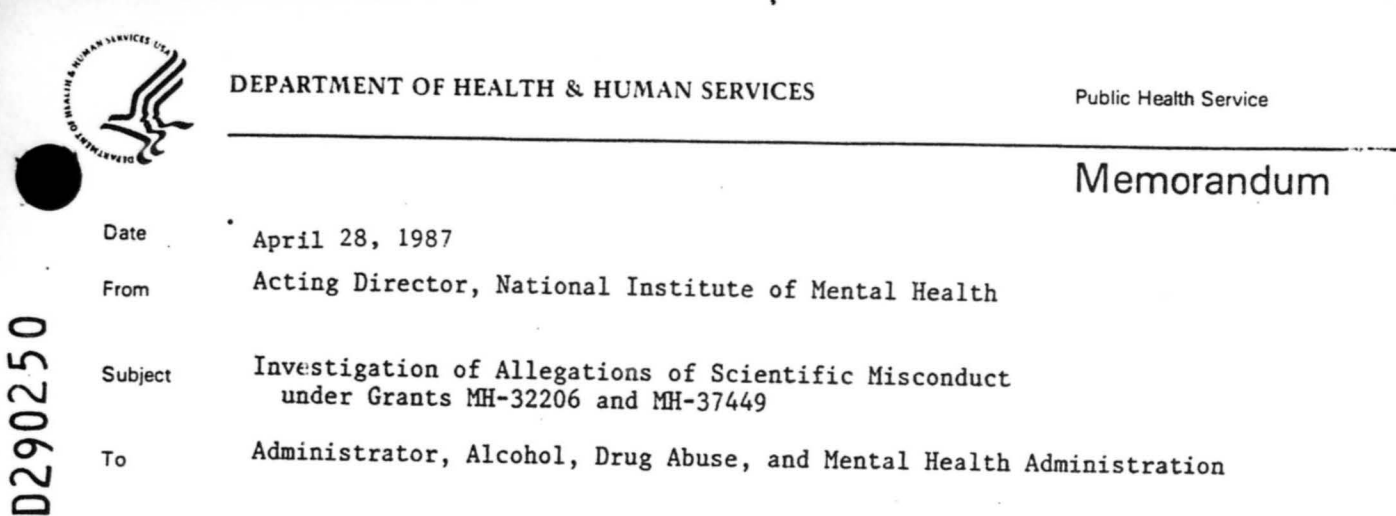
The Ohio State University investigated 20 manuscripts by the cancer research group of Samson Jacob after the university received allegations in 2017 of image manipulation stretching over years of work, according to a misconduct investigation report we obtained via a public records request.

The 209-page report, dated February 9, 2021, tells the story of an investigation spanning more than a decade of Jacob’s lab’s work that encountered “dishonesty” from the lab members interviewed. 

After determining that Jacob had committed research misconduct, the investigation committee recommended sanctions and asked for the immediate retraction of 10 papers in addition to the 10 that had already been addressed (nine retracted and one corrected) prior to the close of the inquiry. The school revoked Jacob’s emeritus position in May 2021, the OSU Lantern reported at the time. 

The investigation committee reviewed 67 allegations, but declined to probe many more concerns that surfaced for the sake of time, according to the report.

Continue reading Exclusive: OSU investigation finds dishonesty and “permissive culture of data manipulation” in cancer research lab

250th COVID-19 retraction is for faked ethics approval

By Nick Youngson

Researchers in Iran have lost a paper on Covid-19 infection in a two-month-old boy after the journal learned that they’d fabricated ethics approval for the article. 

It’s the 250th Covid-19 retraction by our count.

“Coronavirus disease 2019 in a 2-month-old male infant: a case report from Iran” appeared in December 2020 in Clinical and Experimental Pediatrics. The senior author of the paper was Sajjad Ahmadpour, of the Gastroenterology and Hepatology Diseases Research Center at Qom University of Medical Sciences.

According to the retraction notice (which doesn’t appear in the expected place but can be found here):

Continue reading 250th COVID-19 retraction is for faked ethics approval

Engineering researcher who cast blame on co-author will soon have 12 retractions

Jorge de Brito

A civil engineering researcher will soon have 12 retractions to his name after a data sleuth notified journals of issues with image reuse in the papers. 

Jorge de Brito, a professor at the University of Lisbon, has lost four papers in Construction and Building Materials, two in the Journal of Building Engineering, of which he had been editor-in-chief, and another in Engineering Structures since we reported in March on retractions for a pair of researchers in Iran with whom de Brito had coauthored papers. 

Editors of the Magazine of Concrete Research have decided to retract another paper, “Improved bending behaviour of steel-fibre-reinforced recycled aggregate concrete beams with a concrete jacket,” we learned from a staffer who copied Retraction Watch on an email to the data sleuth who raised concerns. The paper has been cited eight times, and this retraction would bring de Brito’s total to 12. 

Continue reading Engineering researcher who cast blame on co-author will soon have 12 retractions

‘Our deepest apology’: Journal retracts 30 likely paper mill articles after investigation published by Retraction Watch

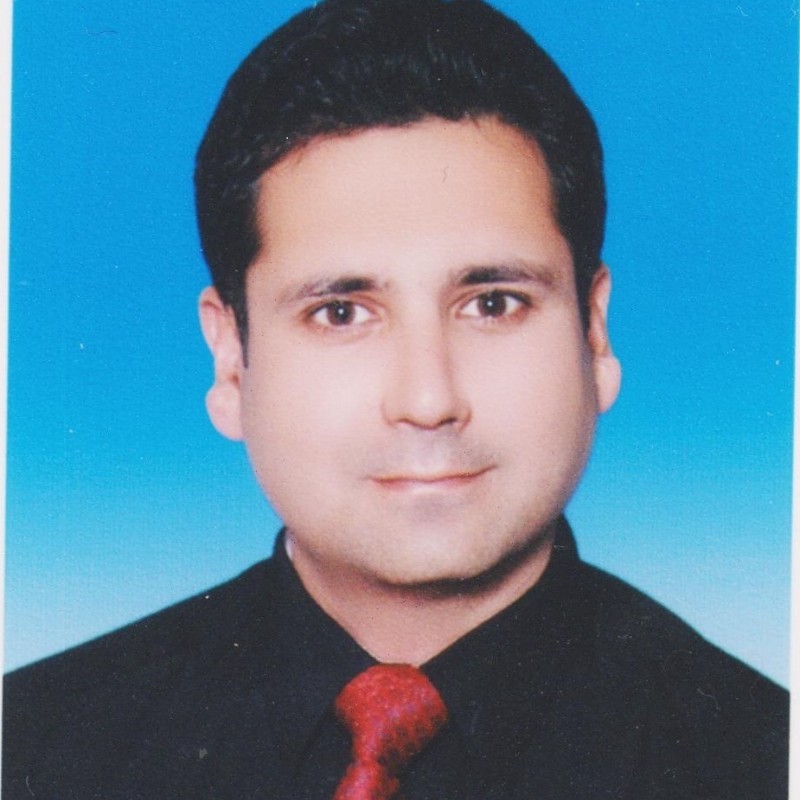
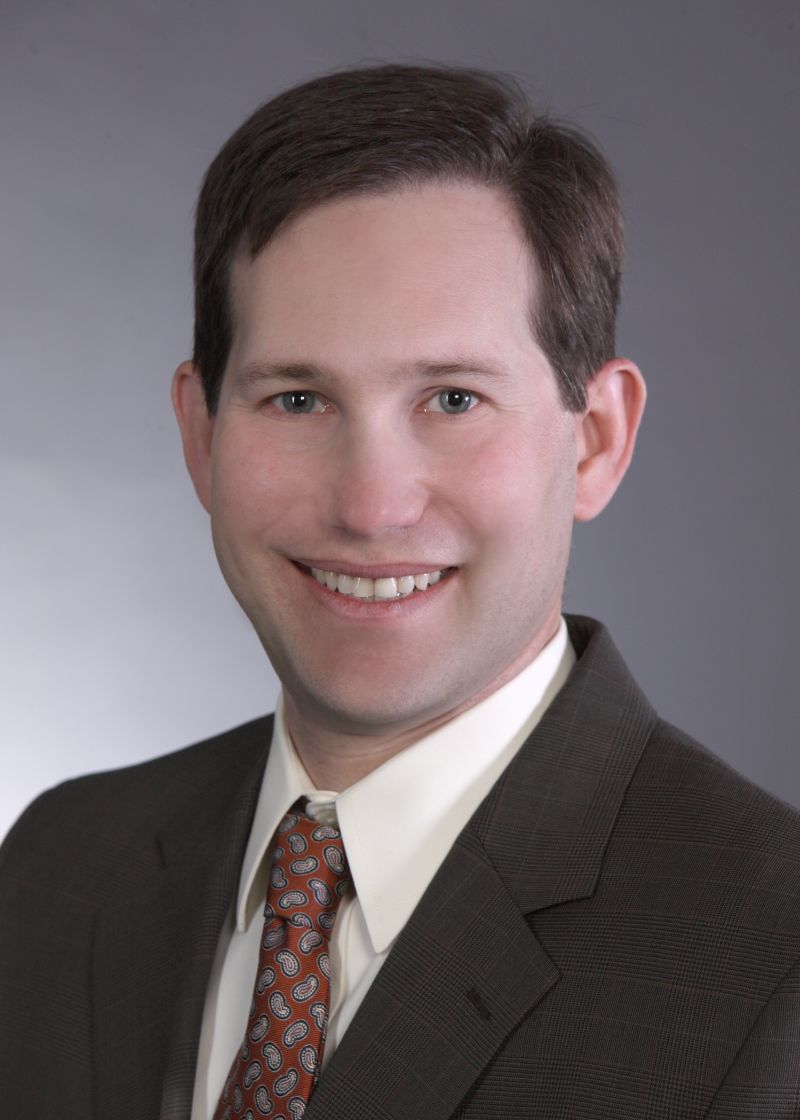
Brian Perron

A journal has retracted 30 papers that “could be linked to a criminal paper mill.” The move comes six and a half months after Retraction Watch published an investigation into the operation. 

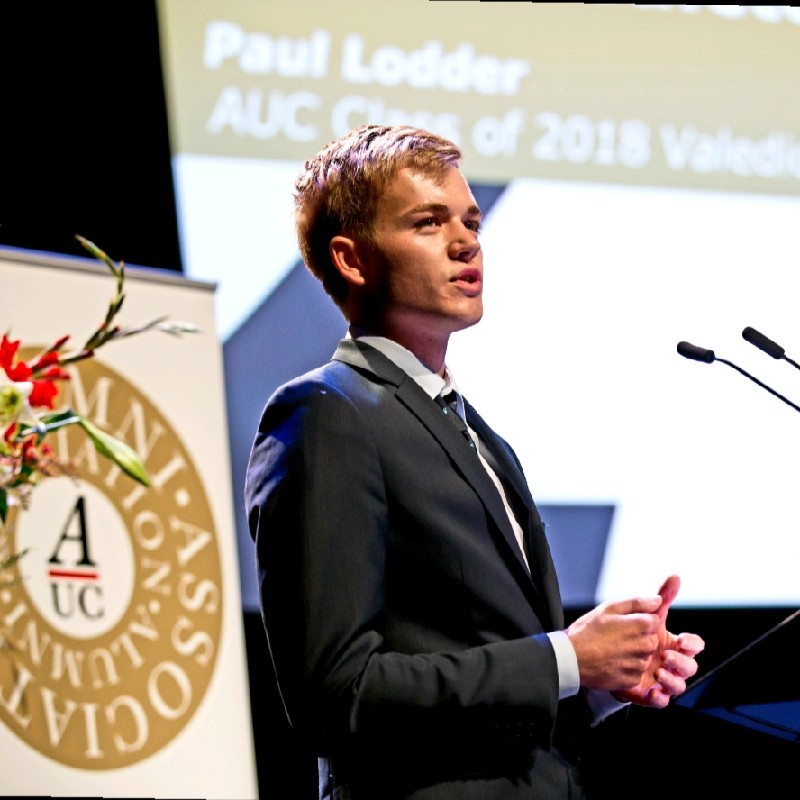
The investigation, by Brian Perron of the University of Michigan, high school student Oliver Hiltz-Perron, and Bryan Victor of Wayne State University, identified nearly 200 published papers with apparent links to a Russian company named International Publisher. Many of those articles were published in the International Journal of Emerging Technologies in Learning, or iJET, and the researchers notified the journal of their findings. 

In an announcement about the retractions and each retraction notice, iJET editors specifically cite the investigation and Perron’s communications. 

A representative retraction notice states: 

Continue reading ‘Our deepest apology’: Journal retracts 30 likely paper mill articles after investigation published by Retraction Watch

Papers on Alzheimer’s slapped with expressions of concern

A Science journal has issued expressions of concern for two papers on Alzheimer’s disease over concerns about the integrity of the data. 

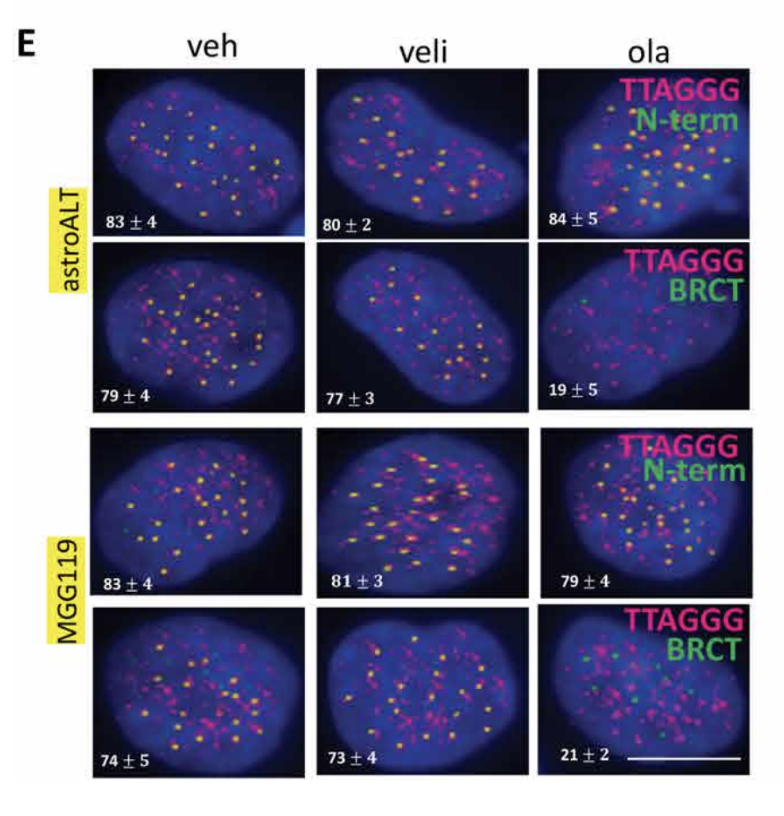
One involves a 2016 article by a star-studded group of neuroscience researchers over allegations of manipulated data in one of the figures. That paper, “Gain-of-function mutations in protein kinase Cα (PKCα) may promote synaptic defects in Alzheimer’s disease,” appeared in Science Signaling and  came from a team led by Rudolph Tanzi  and Roberto Malinow, of Harvard and UC San Diego, respectively.

Here’s the notice for the paper, which has been cited 64 times, according to Clarivate’s Web of Science: 

Continue reading Papers on Alzheimer’s slapped with expressions of concern

Researcher attacks journal for retracting his paper on COVID-19 drug

Flavio Cadegiani

A journal has retracted a paper reporting the results of a clinical trial in which a drug cut COVID-19 hospitalization for men by 90%. 

The research group’s other work has attracted a lot of attention in Brazil – including praise from  president Jair Bolsonaro and criticism from research regulators – for their dramatic results. In a Twitter thread, one of the authors claimed, without evidence, that the journal “may have received bribery to persecute us and retract our study.”

The article, “Proxalutamide Reduces the Rate of Hospitalization for COVID-19 Male Outpatients: A Randomized Double-Blinded Placebo-Controlled Trial,” was published in Frontiers in Medicine last July and has been cited 15 times, according to Clarivate’s Web of Science. 

The study quickly attracted criticism, according to the retraction notice

Continue reading Researcher attacks journal for retracting his paper on COVID-19 drug

Chemistry group at Hokkaido up to three retractions

Masaya Sawamura

A group of researchers in Japan who lost a paper earlier this spring in Science for misconduct have notched two more retractions, bringing their total to three. 

As we reported in April, Science pulled a 2020 article led by Masaya Sawamura, of Hokkaido University, in Sapporo, saying the authors discovered: 

Continue reading Chemistry group at Hokkaido up to three retractions

A paper claimed to describe ‘the first potent and specific anti-COVID-19 drug.’ Now it’s retracted.

Amgad Rabie

A paper about the discovery of “the first potent and specific anti-COVID-19 drug” has been retracted after it emerged that the compound wasn’t so novel after all. 

The article, published in May 2021 in Chemical Papers has been cited seven times, according to Clarivate Analytics’ Web of Science. 

As the paper’s sole author, Amgad M. Rabie, writes in the abstract: 

Continue reading A paper claimed to describe ‘the first potent and specific anti-COVID-19 drug.’ Now it’s retracted.

Former Weill Cornell cancer researcher up to 20 retractions; investigation’s findings are with Feds

Andrew Dannenberg

The journal Cancer Prevention Research has retracted nine papers at once from a group of cancer researchers led by Andrew Dannenberg, formerly of Weill Cornell Medicine. 

The bundle of retractions brings Dannenberg’s total to 20, according to our database, nearly doubling the 11 he had previously. Kotha Subbaramaiah, also formerly of Weill Cornell Medicine, is a coauthor on all of the newly retracted papers, and two of the notices point the finger at figures that he prepared. 

Dannenberg and Subbaramaiah retired from Cornell in the space of three months in late 2020 and early 2021, Retraction Watch has learned, and the university has forwarded a report of their investigation into the matter to the U.S. Office of Research Integrity.

Continue reading Former Weill Cornell cancer researcher up to 20 retractions; investigation’s findings are with Feds

Failed to properly register your trial? Just use a different study’s number. Actually, don’t.

Researchers in China have lost a 2019 paper on sedation in people undergoing cardiac surgery after readers complained that the authors had failed to properly register the trial. 

The paper, “Effect of Perioperative Administration of Dexmedetomidine on Delirium After Cardiac Surgery in Elderly Patients: a Double-Blinded, Multi-Center, Randomized Study,” appeared in Clinical Interventions in Aging, a Dove Press title. 

Last year, a commenter on PubPeer flagged the article, which has been cited 26 times, according to Clarivate Analytics’ Web of Science: 

Continue reading Failed to properly register your trial? Just use a different study’s number. Actually, don’t.