
Until this year, only one researcher — Yoshitaka Fujii — had eclipsed the century mark for retractions. But Fujii can no longer claim dibs on being the only scientist to lose three digits worth of papers.
Joachim Boldt, a fellow anesthesiologist fraudster, recently notched three more retractions, bringing his tally, by our count, to an even 100.
Boldt was one of Europe’s leading anesthesiologists for decades. A critical care specialist, he was internationally known for his work on the use of substances called volume expanders that are used during surgery to preserve blood pressure. That fame was replaced in the early part of the last decade by questions about his work, and findings of misconduct.
Continue reading Anesthesiologist joins the 100-retraction club Sam W. Lee, a Harvard researcher — or perhaps former Harvard researcher — who has



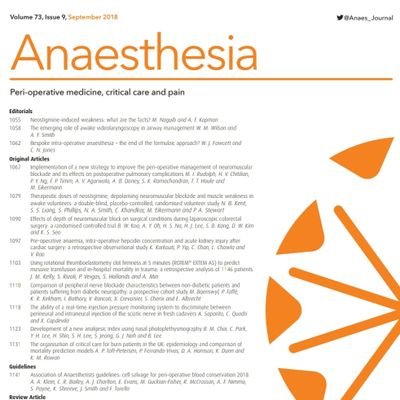 Journals have retracted all but 19 of the 313 tainted papers linked to three of the most notorious fraudsters in science, with only stragglers left in the literature. But editors and publishers have been less diligent when it comes to delivering optimal retraction notices for the affected articles.
