Nature paper on ocean warming retracted

via Wikipedia

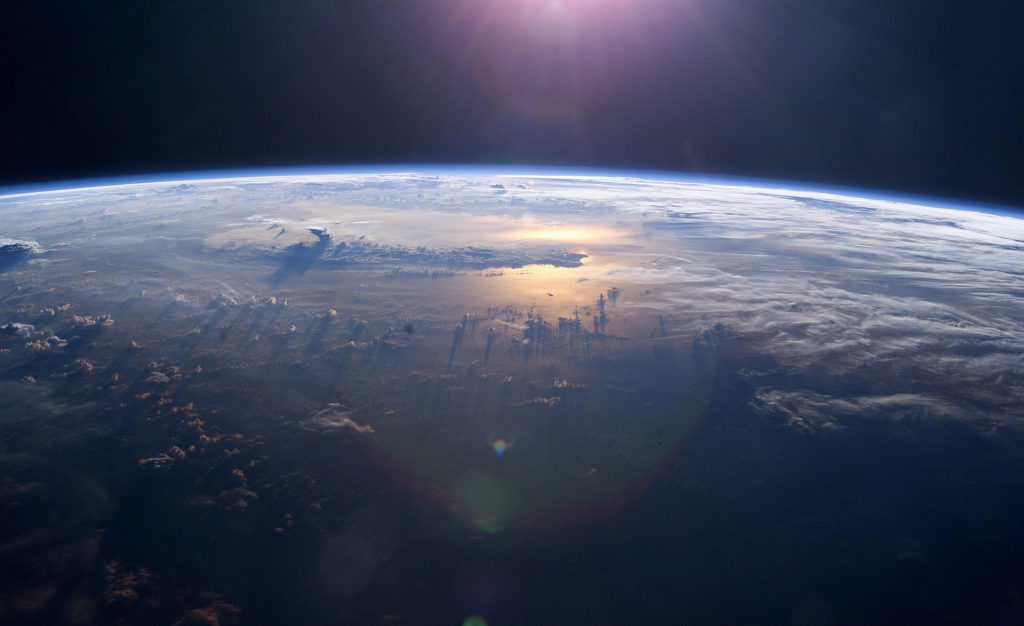
Nature is retracting a 2018 paper which found that the oceans are warming much faster than predicted by previous models of climate change.

The article, “Quantification of ocean heat uptake from changes in atmospheric O2 and CO2 composition,” appeared at last October but quickly drew the attention of an influential critic who said the analysis was flawed

The authors agreed, and within three weeks the paper received the following update

Continue reading Nature paper on ocean warming retracted
Nature walks back mentorship prize for Spanish scientist with nine retractions

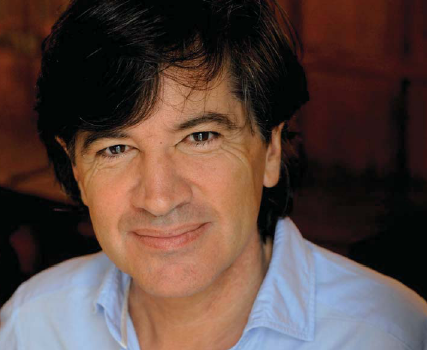
Carlos Lopez-Otin

Nature is rescinding an award to a Spanish researcher whose group has at least nine retractions for problems with their published images. 

The journal in 2017 gave Carlos López-Otín, of the University of Oviedo, its mid-career achievement mentoring prize for Spanish scientists — along with a physicist from Barcelona — citing

the ability of these scientists to instil confidence in self-doubting trainees, and of their motivational skills. 

But two years – and a slew of retractions — later, it seems Nature’s own doubts about López-Otín’s skills as a mentor were too great to ignore.

Continue reading Nature walks back mentorship prize for Spanish scientist with nine retractions

“This is a case of good science:” Nature republishes retracted glacier paper

via NASA

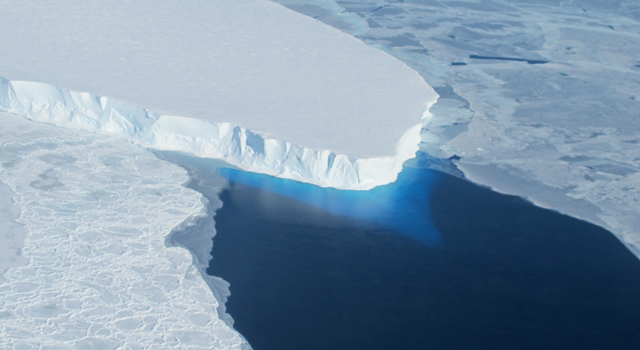
Nature has republished a paper on glacier melt that was retracted more than a year ago after the author became aware that he had made an error that underestimated such melt.

The paper, originally titled “Asia’s glaciers are a regionally important buffer against drought,” was subjected to an expression of concern in 2017 after two researchers noticed that the author, Hamish Pritchard, of the British Antarctic Survey, had mistaken annual figures for water loss for decade-long water loss figures. It was retracted in February 2018, and is now republished as “Asia’s shrinking glaciers protect large populations from drought stress.”

Hester Jiskoot, who had reviewed the paper for us for previous posts, and is now chief editor of the International Glaciological Society’s journals, told Retraction Watch this week that the episode

Continue reading “This is a case of good science:” Nature republishes retracted glacier paper

Authors have papers in Nature and Science retracted on the same day

Steve Jackson

A University of Cambridge researcher — Steve Jackson —  and a former researcher at the University of Bristol — Abderrahmane Kaidi — have accomplished a two-fer: Retracting a paper in Nature, and one in Science, on the same day.

In September of last year, the BBC reported that Kaidi was resigning “after admitting that he fabricated his research.” The Times reported that “Dr Kaidi’s admission came during a separate inquiry into complaints about his treatment of colleagues.” The university told the BBC at the time: Continue reading Authors have papers in Nature and Science retracted on the same day

Nature cancer paper that raised animal welfare concerns is retracted

When Nature published a paper in 2011 describing a compound extracted from a pepper plant that appeared to kill cancer cells but leave healthy cells unscathed, it got some attention.

Of course, the news caught the media’s eye, but also that of other researchers, who have since jumped on the concept, and continued to study the effects of the compound — piperlongumine — on cancer, as well as other conditions.

But ever since the 2011 letter appeared, researchers have raised concerns about some of the figures — including one that showed mice with massive tumors, suggesting they had experienced an unreasonable amount of distress during the study. Nature has responded by issuing two lengthy correction notices in 2012 and 2015 — as well as an editorial that admitted the animals may have “experienced more pain and suffering than originally allowed for,” but did not warrant retracting, as the results remained “valid and useful.”

Today, the journal is retracting the paper, with the following brief notice:

Continue reading Nature cancer paper that raised animal welfare concerns is retracted

Researchers pull Nature paper over first author’s objections

Researchers have retracted a 2015 Nature paper about the molecular underpinnings of immune function after discovering they could not replicate key parts of the results.
The first author, Wendy Huang — who started working as an assistant professor at the University of California, San Diego, only months after the paper appeared — did not sign the retraction letter, published last week. The research was conducted while Huang was working as a postdoctoral fellow at New York University, home of last author Dan Littman (also an investigator at the Howard Hughes Medical Institute).

What happened appears to be a case of “he said, she said:” Littman asked to retract the paper after his lab couldn’t reproduce it, and Huang insists the data remain correct, saying the process had been “unfair and done without due process:”

Continue reading Researchers pull Nature paper over first author’s objections

Caught Our Notice: Yes, a 20-year-old article is wrong — but it won’t be corrected online

Title: AMPA receptor-mediated regulation of a Gi-protein in cortical neurons

What Caught Our Attention:  Usually, when journals publish corrections to articles, they also correct the original article, except when the original is unavailable online.  When Nature noticed that some figure panels in a 20-year-old paper were duplicated, it flagged the issue for readers — but didn’t correct the online version of the original paper. According to the notice, the duplications don’t disturb the conclusion illustrated by the figure, the original data couldn’t be found, and the last two authors had retired. We contacted a spokesperson at Nature, who told us “the information at the start of the paper clearly links to the corrigendum.”   Continue reading Caught Our Notice: Yes, a 20-year-old article is wrong — but it won’t be corrected online

Figures in cancer paper at root of newly failed compound called into question

How much role did a potentially problematic paper play in the demise of a once-promising compound?
Researchers are questioning the validity of a high-profile article, published by Nature in 2006. Although the letter is 12 years old, the concerns have current implications: It was among the early evidence used to develop a cancer compound that recently failed a number of clinical trials.

It’s unclear whether the problems with the paper — if validated — could have contributed to the compound’s demise. But an outside expert has some thoughts — and so do image experts and multiple external reports, including one released this month, which agree the concerns about the figures have merit. (The first author’s ex-husband isn’t too happy with the article, either.)

Continue reading Figures in cancer paper at root of newly failed compound called into question

Author retracts Nature paper on Asia’s glaciers flagged for data error

A glacier researcher has retracted a Nature paper after mistakenly underestimating glacial melt by as much as a factor of ten.

In September, the journal tagged “Asia’s glaciers are a regionally important buffer against drought,” originally published in May 2017 by Hamish Pritchard,a glaciologist at the British Antarctic Survey, with an expression of concern, notifying readers of the mistake. It turns out, Pritchard had missed the fine print on a data set; a figure he thought represented water loss over a decade covered, in fact, only a year.

In September, Pritchard told Retraction Watch that the mix-up strengthened his argument that glacial melt was important to Asia’s water supply.

However, in the retraction notice, published today, he indicated that the mistake affected other conclusions: Continue reading Author retracts Nature paper on Asia’s glaciers flagged for data error

Nature adds alert to heavily debated paper about gene editing

Nature has added an “editor’s note” to a high-profile August paper alerting readers to the fact that the article has been subject to criticism.

Journals often flag papers that are being debated — what’s unusual here is that the journal doesn’t label the notice as an official “Expression of Concern,” which are indexed by PubMed. Yet the Nature notice reads just like an expression of concern.

Here’s the text of the new notice, which was added October 2 (and spotted by Paul Knoepfler):

Continue reading Nature adds alert to heavily debated paper about gene editing