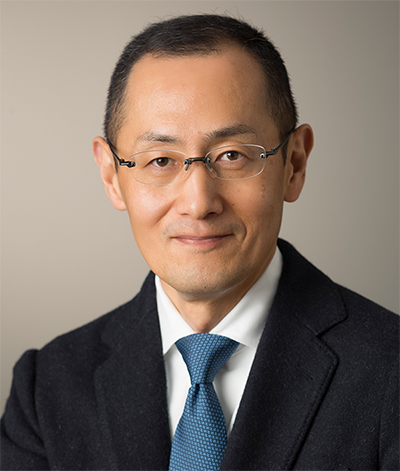
The Center for iPS Cell Research and Application (CiRA) at Kyoto University in Japan is defending Nobel Prize winner Shinya Yamanaka against claims of image manipulation in multiple studies on which he was an author. The institute says questioning Yamanaka’s integrity without sufficient evidence is “completely unacceptable.”
Yamanaka shared the Nobel Prize in Physiology or Medicine in 2012 and works at CiRA.
On August 7, Gotham City Research LLC, a short-selling firm based in the United States, released a report alleging image manipulation in several papers by Yamanaka appearing between 2000 and 2020.
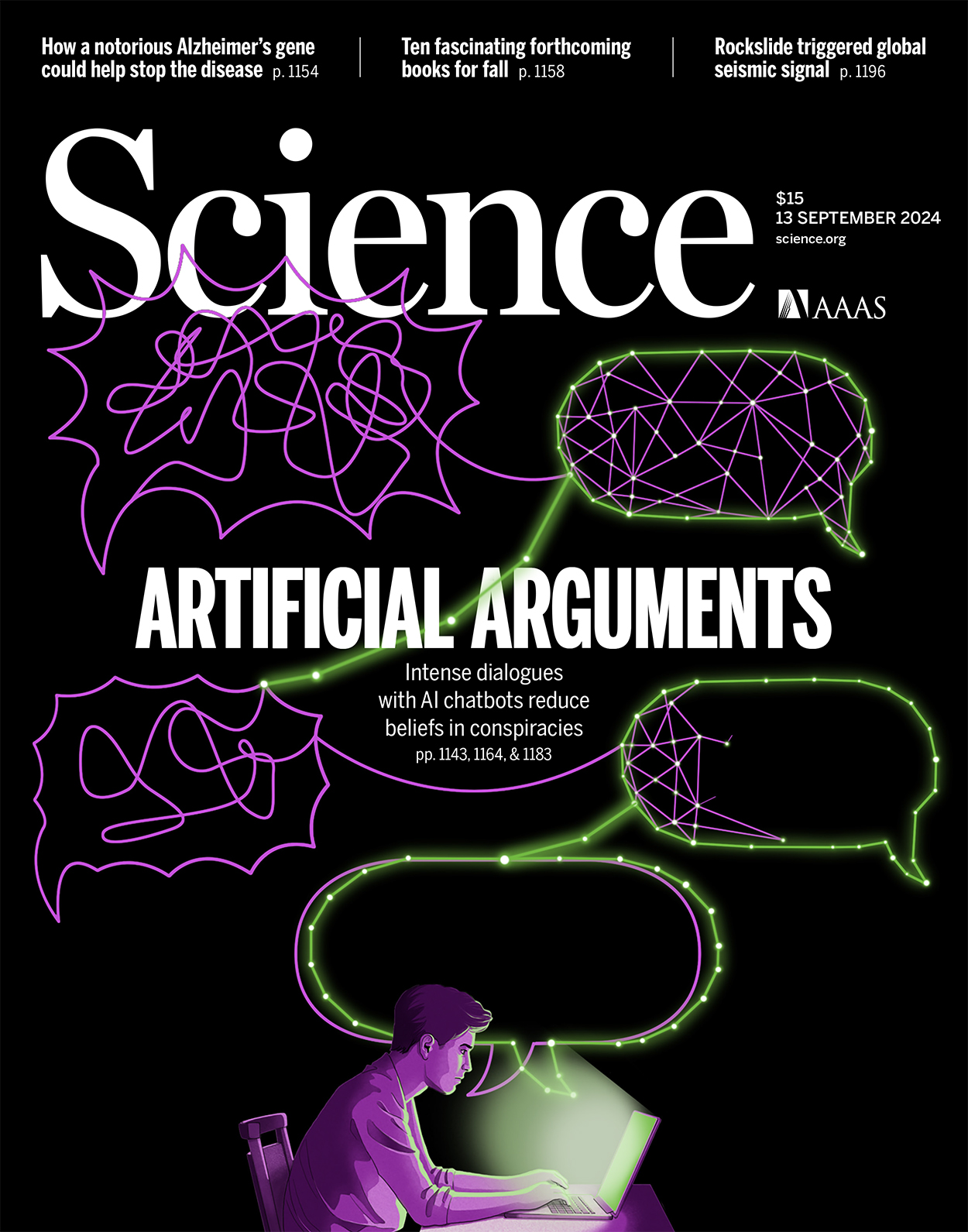
Science has issued an expression of concern for a highly publicized study looking into whether conversations with AI chatbots could convince conspiracy theorists to abandon their beliefs. The move came after the authors of the paper found inconsistencies in their dataset, but a reanalysis shows the findings still stand, they say.
This February, the authors — Thomas Costello of Carnegie Mellon University in Pittsburgh, psychologist Gordon Pennycook of Cornell University in New York and cognitive scientist David Rand at the Massachusetts Institute of Technology — won the Newcomb Cleveland Prize from the American Association for the Advancement of Science, which publishes Science, for the work. It has been cited 192 times, according to Clarivate’s Web of Science.
In an editorial published today in Science, Michael Lauer and Mark Barnes call for greater transparency in investigations of scientific misconduct with an aim toward making sure prospective academic employers know of applicants’ past misdeeds. As we’ve reported, in the absence of transparency around findings of misconduct, some universities have discovered too late they hired someone who has turned out to be a serial offender.
Lauer, who served as Deputy Director for Extramural Research at the National Institutes of Health from 2015-2025, and Barnes, a partner at Ropes and Gray LLC in Boston who has served as acting research integrity officer at several U.S. institutions, propose a tracking system similar to the National Practitioner Data Bank (NPDB). That database logs adverse actions and malpractice payments as a way to inform decisions about individual physicians by hospitals. As Lauer and Barnes note, federal law “requires a hospital to query the NPDB whenever it is considering a new applicant for medical privileges, as well as to conduct repeat queries every 2 years to make sure information on staff is up to date.” We asked Barnes to elaborate on the ideas presented in the op-ed. (He notes he is speaking only for himself here.)
Retraction Watch: You write in your op-ed universities may avoid sharing personal information — presumably including results of misconduct investigations — for fear of legal claims of defamation or violations of privacy. Are those fears valid?
An insect meta-analysis published in Science in 2020 has been hit with an EOC.(Photo credit: Aron Sousa)
Science has issued a permanent expression of concern for a paper reporting a meta-analysis of a database including studies critics have said were “experimentally manipulated.”
The notice, published today, applies to a 2020 meta-analysis measuring population patterns of freshwater and terrestrial insects and predicting what might drive changes in population numbers. According to the notice, the move comes after critics raised concerns about a database, called InsectChange, on which the meta-analysis was based. The database itself was published in 2021 in Ecology, a journal of the Ecological Society of America.
The Science article has been cited 820 times, according to Clarivate’s Web of Science. The Ecology paper has been cited 23 times.
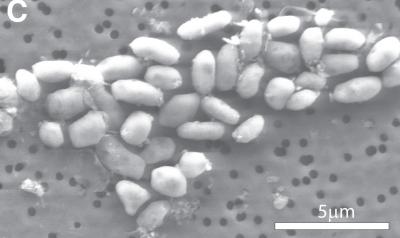
Science has retracted a 2010 paper describing a strain of bacteria that purportedly substituted arsenic for phosphorus, an element present in all known life. Science/AAAS
Fifteen years after publishing an explosive but long-criticized paper claiming to describe a microbe that could substitute arsenic for phosphate in its chemical makeup, Science is retracting the article, citing “expanded” criteria for retraction.
The authors stand by their findings and disagree with the retraction, and contend the decision doesn’t reflect best practices for publishers.
Many scientists, including David Sanders, a biologist at Purdue University in West Lafayette, Ind. who has previously argued for the paper’s retraction in posts for Retraction Watch, believe the paper’s results were simply the result of contamination of the authors’ materials. He told us he was “glad” to see the retraction.
Science has changed an expression of concern on a 2022 paper to an erratum after removing one of the coauthors — who was found to have committed misconduct — and allowing the researchers to repeat experiments.
Two months after publishing the article in September 2022, Science issued an editorial expression of concern, stating a post-publication analysis had found one figure with “potential discrepancies.”
Marc Tessier-Lavigne, whose resignation as president of Stanford University becomes effective today, is retracting two papers from Science following an institutional investigation that found data manipulation in multiple figures.
Anonymous users on PubPeer postedconcerns about potentially manipulated images in the papers as early as 2015. Reporting by The Stanford Daily in November 2022 spurred the university to launch an investigation into several of Tessier-Lavigne’s papers, how he responded when others identified issues in his articles, and the culture of his lab.
The university published the final report last month, finding that four of the five papers it reviewed on which Tessier-Lavigne was a principal author contained “apparent manipulation of research data by others.” Tessier-Lavigne, the investigation committee concluded:
Science has published an expression of concern for a recent article on a receptor for bitter taste while the authors’ institution investigates “potential discrepancies” with a figure.
Science has issued an expression of concern for a 2014 paper on the harmful effects of ocean acidification on fish and coral after the first author of the article was accused of fabricating data in the study and other research.
The work – cited 171 times so far, according to Clarivate Analytics’ Web of Science – received immediate challenge from other researchers, who questioned the validity of the findings.
Sometimes scientific findings can be too hot to handle. Literally.
A team of researchers in India and Japan who reported breakthrough results in two papers about electromagnetics, including an article in Science, are retracting the articles because the exciting data resulted from experimental error. To be precise: unbeknownst to them, inadvertent heating of their samples had contaminated their data.
The first author of both articles is Chanchal Sow, of the Indian Institute of Technology in Kanpur. The last author on both is Yoshiteru Maeno, a professor of physics at Kyoto University.