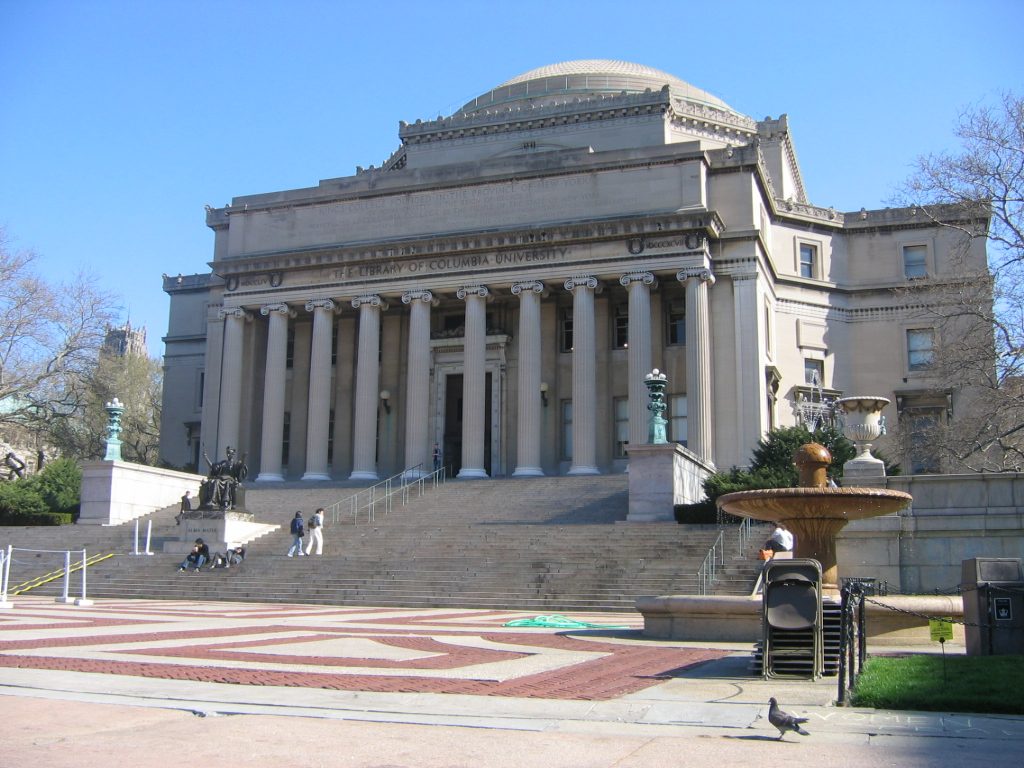
Carlo Croce, a prolific cancer researcher at The Ohio State University (OSU) in Columbus who was the subject of a 2017 front page story in The New York Times about allegations of misconduct against him, has lost a libel suit that he filed against the newspaper.
On Sunday, May 5 of this year, Justin Pickett received an email from a “John Smith” with the subject line “Data irregularities and request for data.”
“There seem to be irregularities in the data and findings in five articles that you published together with two surveys,” the anonymous correspondent wrote. “This document outlines those irregularities.”
Pickett was a co-author on only one of the papers, “Ethnic threat and social control: Examining public support for judicial use of ethnicity in punishment,” which was published in 2011 — the year he earned his PhD from Florida State University (FSU) — in the journal Criminology. The other four papers were published from 2015 to 2019 in Criminology, Law & Society Review, and Social Problems. The only author common to all four was Eric A. Stewart, a professor at FSU.
The Journal of Biological Chemistry has retracted two papers by a Georgia State University researcher, as well as flagged eight more with expressions of concern, a move the scientist called “unfair and unjustified.”
Ming-Hui Zou, the common author on all ten papers — as well as on twomore that have been corrected by the same journal — is, according to Georgia State,
an internationally recognized researcher in molecular and translational medicine and a Georgia Research Alliance Eminent Scholar in Molecular Medicine and associate vice president for research at Georgia State University…
Here’s the retraction notice for “Reactive nitrogen species is required for the activation of the AMP-activated protein kinase by statin in vivo,” published in 2008 Zou as the last author:
On March 30, 2018, The Ohio State University (OSU) released a 75-page report concluding that Ching-Shih Chen, a cancer researcher, had deviated “from the accepted practices of image handling and figure generation and intentionally falsifying data.” The report recommended the retraction of eight papers.
By the end of August of 2018, Chen had had four papers retracted — one in Cancer Research, two in the Journal of Medicinal Chemistry, and one in PLoS ONE.
But it wasn’t until more than a year after the report was released that the other four papers — two from Carcinogenesis, one from Clinical Cancer Research, and one from Molecular Cellular Therapeutics — were retracted, all between April 1 and May 1 of this year.
What took so long? Your guess is as good as ours; none of the editors of those journals responded to our requests for comment.
Tomorrow is Joe Thomas’s 35th birthday. And earlier this week, he received quite a birthday present, even if it wasn’t intended that way: Thomas earned a $33.75 million payout from a lawsuit he filed against Duke University six years ago.
Retraction Watch readers may recall the name Erin Potts-Kant. We’ve been reporting on retractions by Potts-Kant, a former lab tech at Duke, since 2013. (The count is now 17.) Along the way, we learned that she had been convicted of embezzlement, but that there was a bigger story: There was a False Claims Act case against Duke, Potts-Kant, and Michael Foster, in whose lab she worked, alleging that the university had known that faked data had been included in grant applications.
Molecular Vision appears to have been flying blind when it retracted a 2013 paper by Rajendra Kadam and colleagues.
In December 2018, Kadam, a former “golden boy” in pharmaceutical research at the University of Colorado, Denver, was the subject of a finding from the U.S. Office of Research Integrity, which stated that he had fabricated his data. As part of the agreement, Kadam agreed to retract a paper in Molecular Vision. .
When Venkata Sudheer Kumar Ramadugu, then a postdoc at the University of Michigan, admitted to the university on June 28 of last year that he had committed research misconduct in a paper that appeared in Chemical Communications in 2017, he also “attested that he did not manipulate any data in his other four co-authored publications published while at the University of Michigan.”
And so, a few days later, Michael J. Imperiale, the university’s research integrity officer, wrote a letter to the U.S. Office of Research Integrity (ORI) informing them of the findings. On August 2, Ramadagu was terminated from Michigan. And on August 3, Ayyalusamy Ramamoorthy, the head of the lab where Ramadagu had worked, wrote a letter to Chemical Communications requesting retraction of the paper.
After years of back and forth, a highly cited paper that appeared to show that gay people who live in areas where people were highly prejudiced against them had a significantly shorter life expectancy has been retracted.
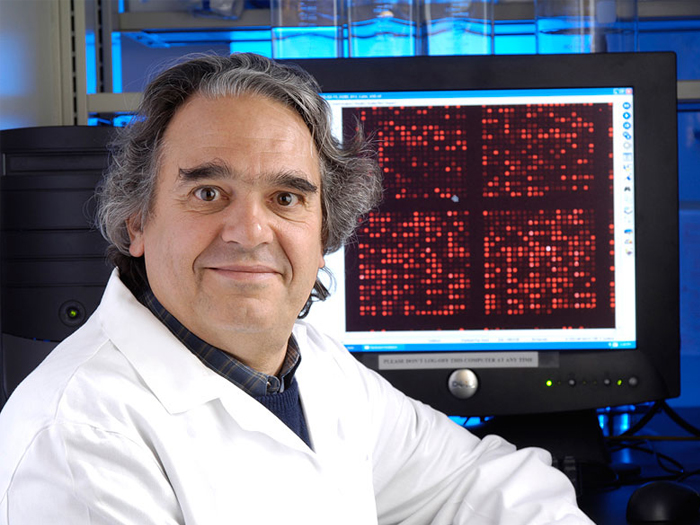



 Sam W. Lee, a Harvard researcher — or perhaps former Harvard researcher — who has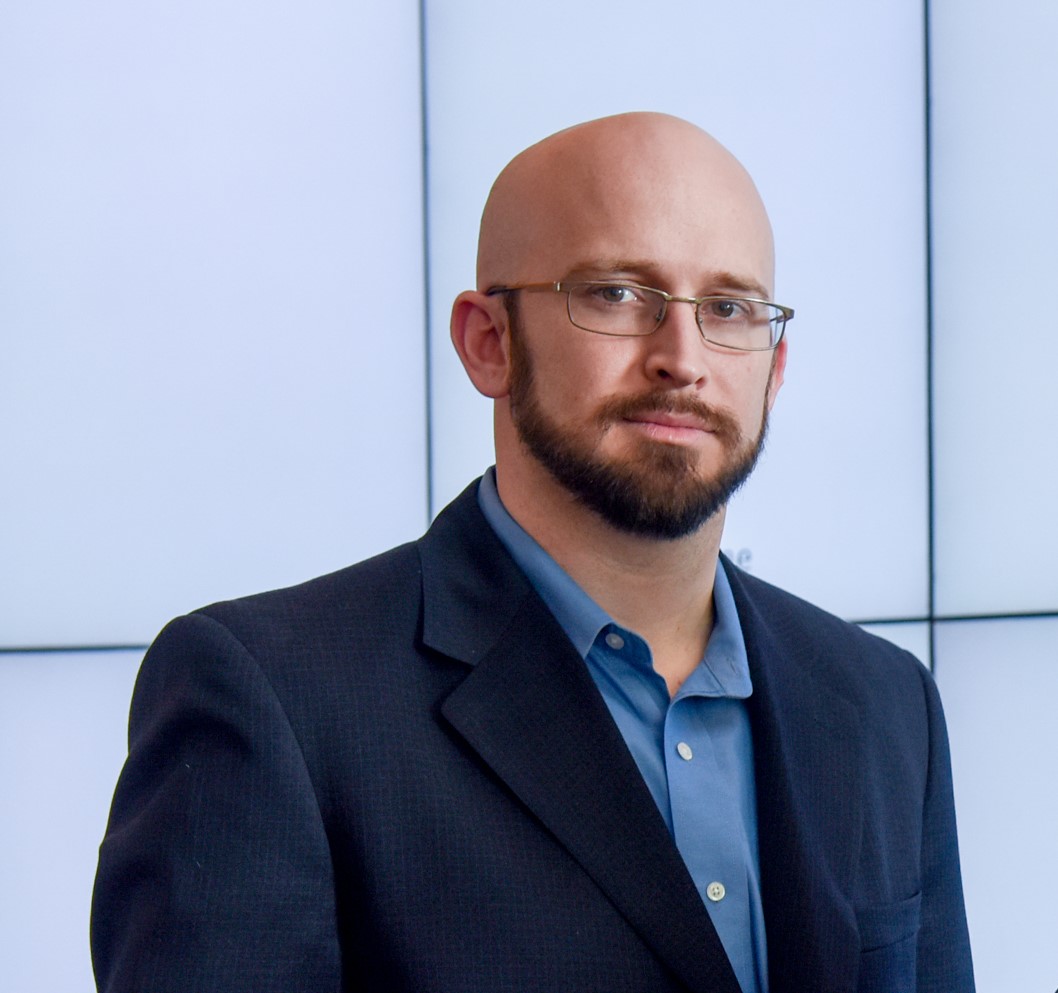
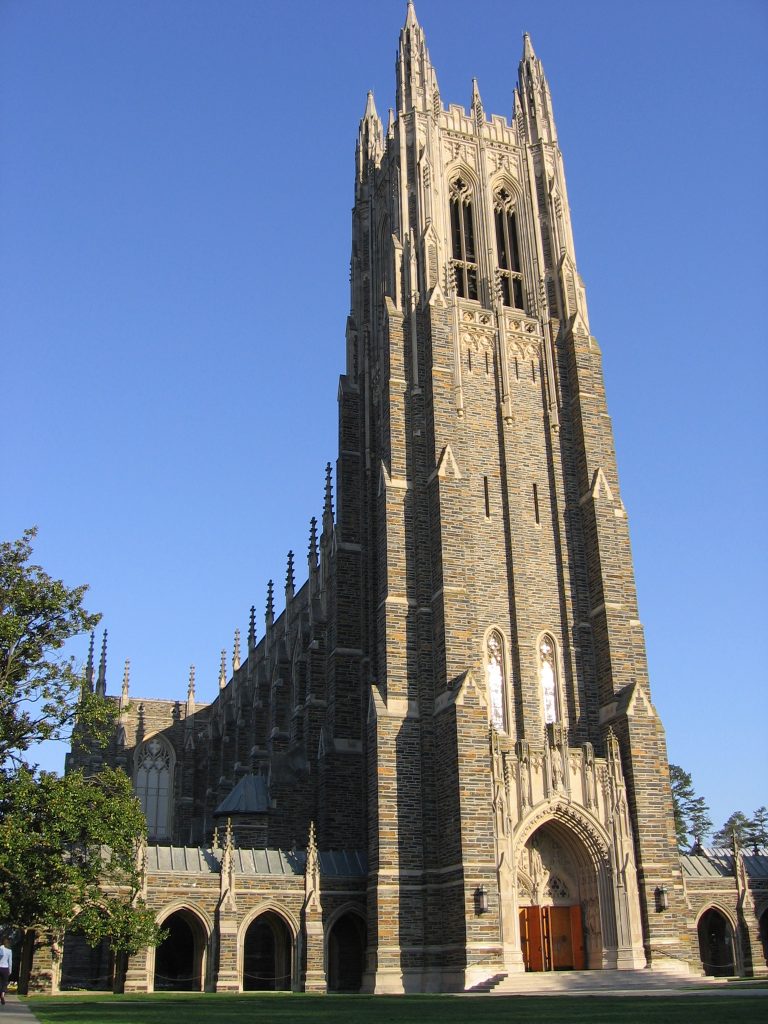 Retraction Watch readers may recall the name Erin Potts-Kant. We’ve been reporting on retractions by Potts-Kant, a former lab tech at Duke,
 When Venkata Sudheer Kumar Ramadugu, then a postdoc at the University of Michigan, admitted to the university on June 28 of last year that he had committed research misconduct in a paper that appeared in