
Today, the Ohio State University (OSU) announced that Ching-Shih Chen, who resigned from a professorship there in September, was guilty of “deviating from the accepted practices of image handling and figure generation and intentionally falsifying data” in 14 images from eight papers. Chen had earned more than $8 million in Federal grants, and his work had led to a compound now being testing in clinical trials for cancer. (For details of the case, see our story in Science.)

OSU — which has been involved in several high-profile cases of misconduct recently — released a lightly-redacted version of their investigation report, and we asked C.K. Gunsalus, who has decades of experience reviewing similar cases, to examine it for us. A Q&A follows.
Retraction Watch (RW): What’s your impression of the case? How does it compare in significance with others you’ve looked at? Continue reading Ohio State just released a 75-page report finding misconduct by a cancer researcher. What can we learn?
 Before we present this week’s Weekend Reads, a question: Do you enjoy our weekly roundup? If so, would you consider a
 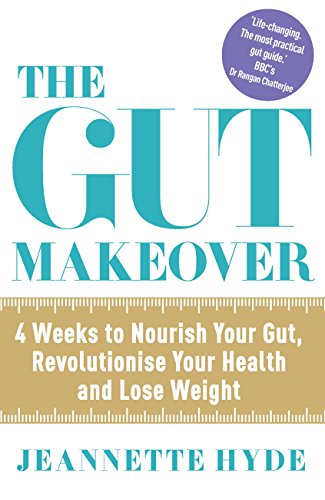 Over the objections of the authors, PLOS ONE has retracted a paper linking a diet designed to restore healthy gut bacteria to weight loss and other benefits.
 Retraction Watch readers may have noticed that over the past year or so, we have been making an effort to obtain and publish reports about institutional investigations into misconduct. That’s led to posts such as one about a
  Our readers will likely know that the site has been having significant trouble for more than two weeks. Thanks for your patience, your offers to help, and for sticking with us during that time. We’re happy to say that we seem to have identified all of the various issues involved, and have solved them. Some of those fixes may mean that you’ll need to resubscribe to our email alerts, so keep reading (or skip over the vaguely technical stuff in the next few paragraphs if you’d rather).