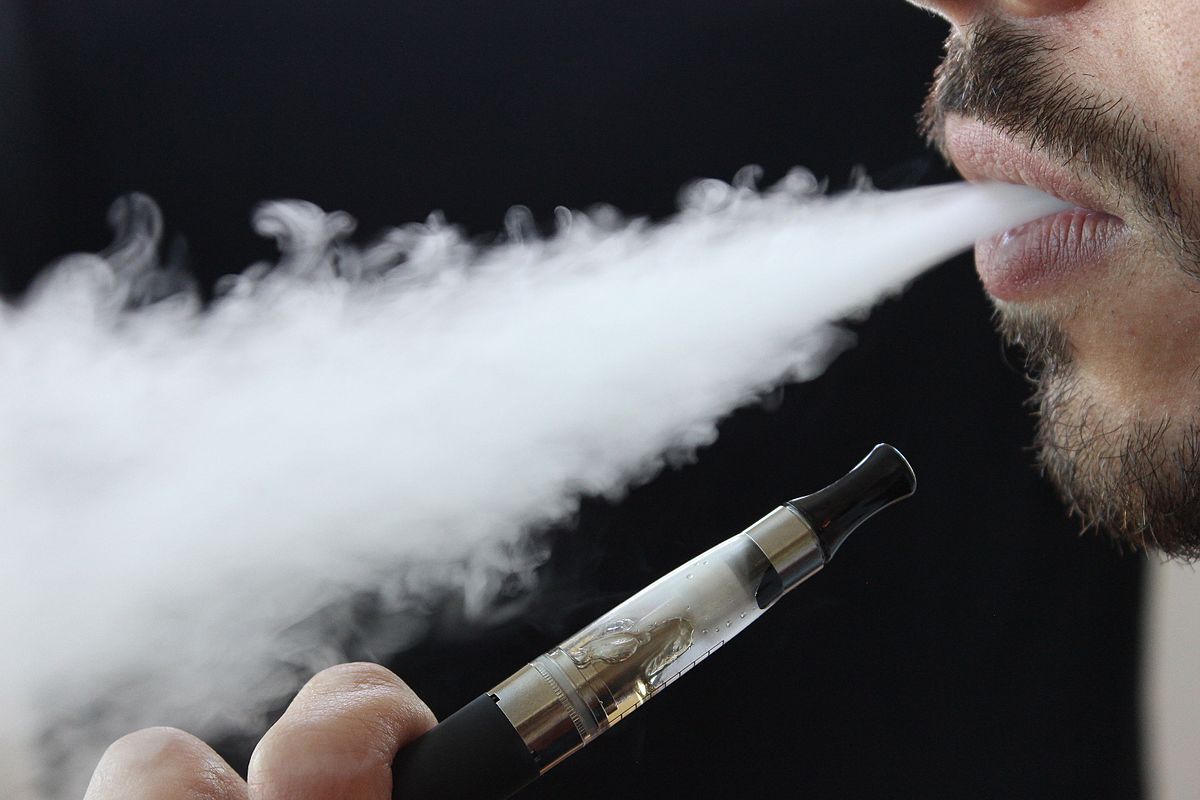
BMJ Open has retracted a paper describing a study in which people with diabetes will be switched from cigarettes to vaping after the journal learned – late in the process of publication – that the authors were indirectly funded by the tobacco company, Philip Morris International.
When it comes to delays in correcting the scientific record — and less-than-helpful retraction notices — it’s not uncommon to see journals blaming universities for being slow and less than forthcoming, and universities blaming journals for being impatient and not respecting the confidentiality of their processes. So in 2021 and 2022, a group of university research integrity officers, journal editors and others gathered to discuss those issues.
In a new paper in JAMA Network Open, the group recommends specific changes to the status quo to enable effective communication between institutions and journals:”
(1) reconsideration and broadening of the interpretation by institutions of the need-to-know criteria in federal regulations (ie, confidential or sensitive information and data are not disclosed unless there is a need for an individual to know the facts to perform specific jobs or functions), (2) uncoupling the evaluation of the accuracy and validity of research data from the determination of culpability and intent of the individuals involved, and (3) initiating a widespread change for the policies of journals and publishers regarding the timing and appropriateness for contacting institutions, either before or concurrently under certain conditions, when contacting the authors.
We asked Susan Garfinkel, the associate vice president for research compliance at The Ohio State and the corresponding author of the article, some questions.
A journal co-published by two scientific societies is retracting nearly 80 papers after an “investigation into peer review fraud.”
The Journal of Electronic Imaging is retracting the articles – all originally published in special sections between 2021 and 2023 – starting this week. The journal is co-published by “SPIE, the international society for optics and photonics,” and IS&T, the Society for Imaging Science and Technology.