Note: This post has been updated.
Here’s an object lesson for scientists who find out they’ve been ripped off by other researchers: Taking matters into your own hands can produce results.
An aggrieved author’s doggedness led to the retraction of a 2013 paper that plagiarized his work, along with the revocation of a doctoral degree by one of the scientists responsible for the theft and sanctions against another.
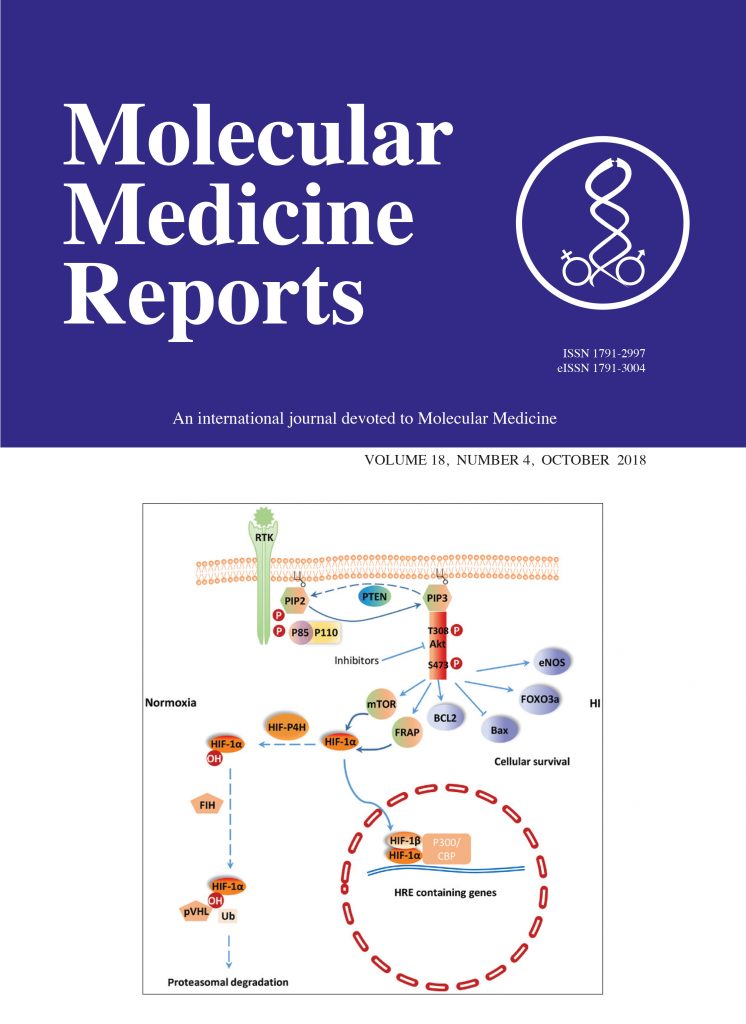
We don’t often get the blow-by-blow, but in this case we have the details to share. The story begins in early 2017, when Andrew Boyle, a professor of cardiac medicine at the University of Newcastle, in Australia, noticed something fishy in an article, “Cathepsin B inhibition attenuates cardiac dysfunction and remodeling following myocardial infarction by inhibiting the NLRP3 pathway.” The paper had appeared in a journal called Molecular Medicine Reports, from Spandidos.
The article, published by a group from Shandong Provincial Hospital, contained a pair of figures that Boyle recognized from his 2005 article in the Journal of Molecular and Cellular Cardiology. One of the images had been altered, but the other was a patent duplication.
Boyle explained that: Continue reading Persistence pays off for plagiarized author: emails spur retraction, sanctions against researcher
 Here’s a head-scratcher from the Journal of Affective Disorders, which has retracted a 2017 article for, well, reasons we invite you to divine.
 A toxicology journal has issued an expression of concern for a group of papers about the controversial herbicide glyphosate after concluding that some of the authors didn’t adequately disclose their ties to the maker of the product.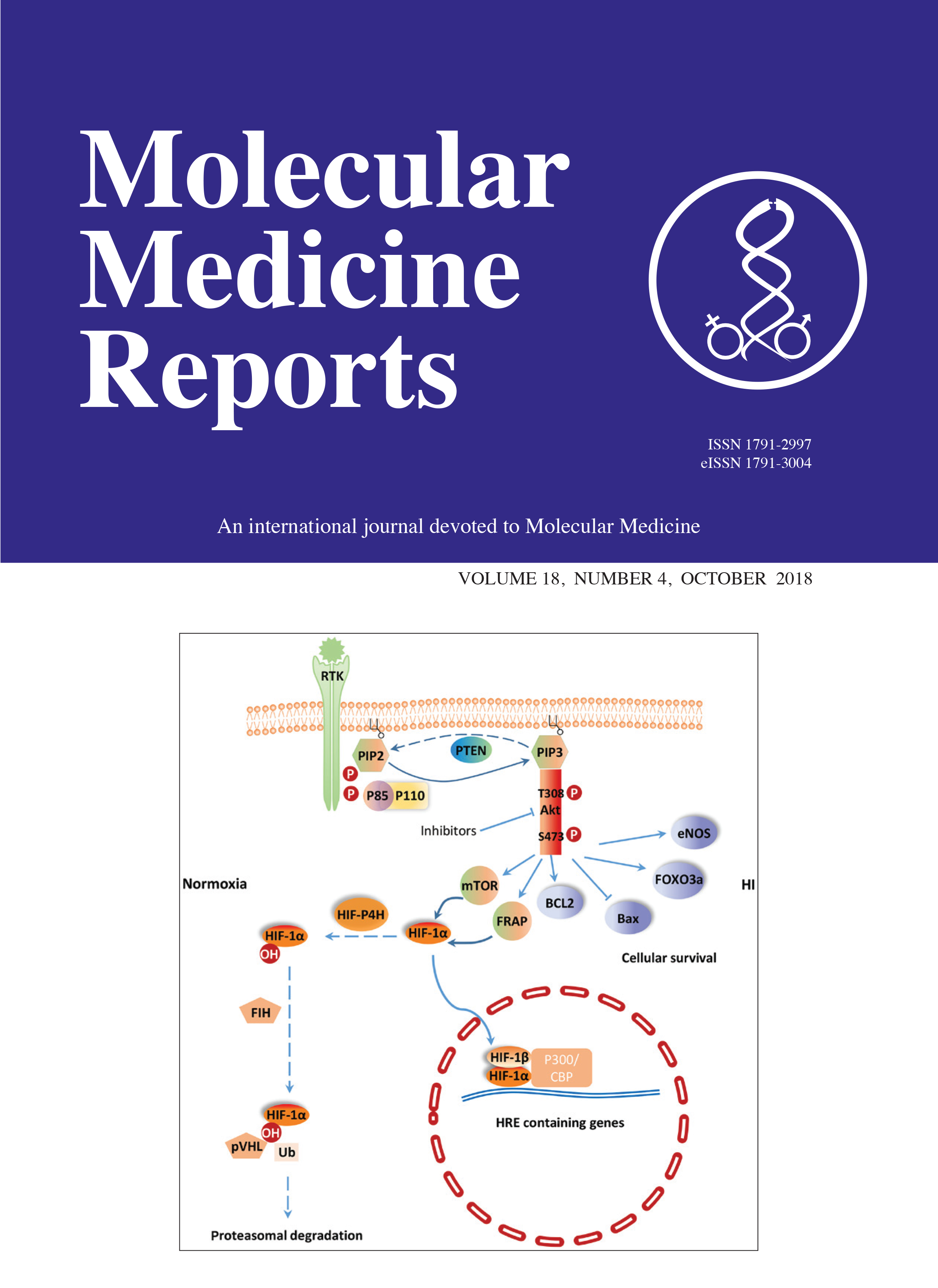
 The wheels of scientific publishing turn slowly … but they do (sometimes) turn.
 Irony machine, start your engine: A pair of engineers have lost a 2017 paper in the
 Journals have retracted all but 19 of the 313 tainted papers linked to three of the most notorious fraudsters in science, with only stragglers left in the literature. But editors and publishers have been less diligent when it comes to delivering optimal retraction notices for the affected articles.
 A journal has retracted a 2016 article for a litany of flaws, including plagiarism and a massive self-inflicted wound that should have obviated the first offense.