Elsevier is looking into how one of its journals published a paper which makes bizarre claims about the knowledge of the ancients and contains an acronym with unmistakable and horrific historical significance.
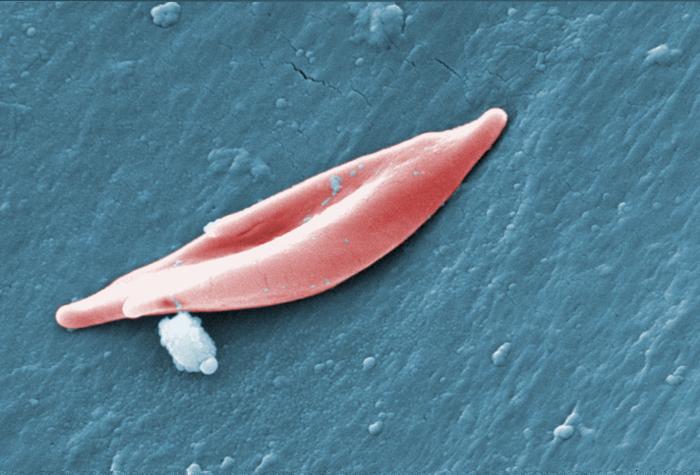
A scanning electron microscope image of a sickle cell, digitally colorized (via US CDC)
Researchers have lost a 2018 conference abstract on screening for sickle cell disease in Africa over a dispute over authorship and the lack of appropriate disclosures.
The article, “Implementation of a sickle cell disease screening initiative in Uganda with HemoTypeSC(TM),” which was presented at a 2018 conference and then appeared in Blood, described a much-touted new blood test for sickle cell trait from a company in California called Silver Lake Research.
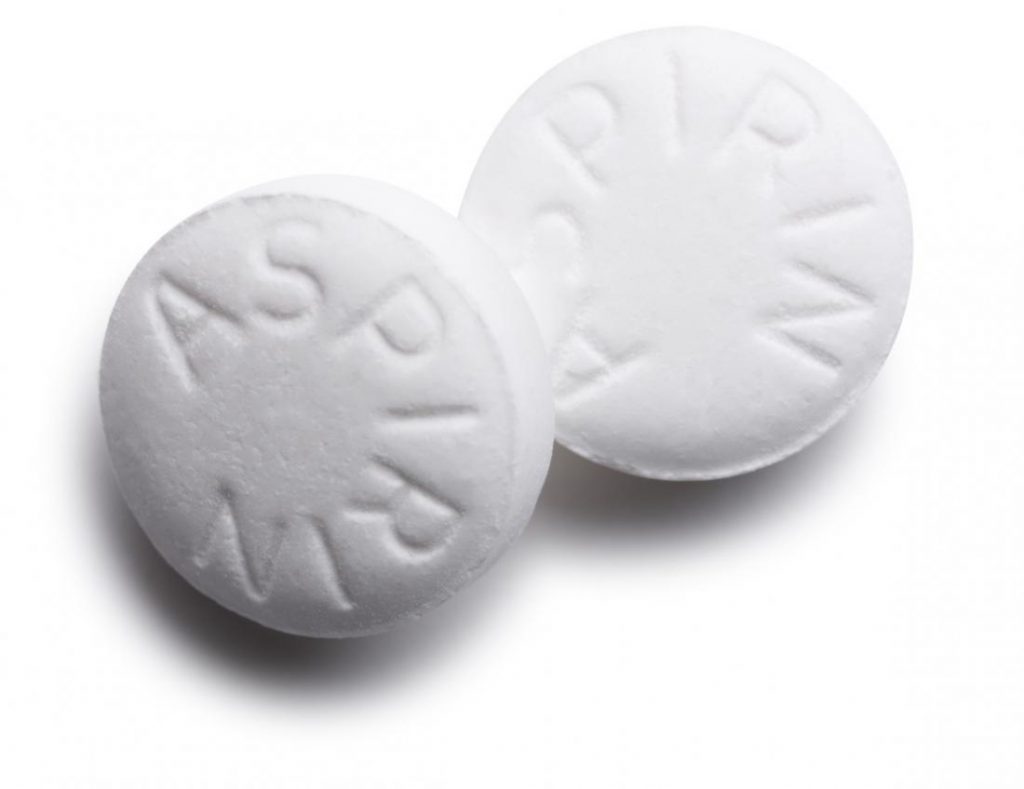
Researchers in China have retracted a 2016 paper in Oncology Letters on the anti-cancer properties of aspirin because, well, it was a disaster from top to bottom.
Get it in writing. That’s the moral in a pair of retractions in different journals after authors claimed to have received oral — but not written — ethics approval for their research.
One paper, in the International Journal of Pediatrics, a Hindawi title, came from a group in Kuwait and Greece. Titled “Prevalence and associated factors of peer victimization (bullying) among grades 7 and 8 middle school students in Kuwait, the article appeared in February 2017.
Same tea, different mug. Biomolecules, an MDPI journal, has retracted a 2018 paper by on the salubrious effects of tea because the authors had previously published the same article in a Chinese-language journal.
Molecular Vision appears to have been flying blind when it retracted a 2013 paper by Rajendra Kadam and colleagues.
In December 2018, Kadam, a former “golden boy” in pharmaceutical research at the University of Colorado, Denver, was the subject of a finding from the U.S. Office of Research Integrity, which stated that he had fabricated his data. As part of the agreement, Kadam agreed to retract a paper in Molecular Vision. .
An endocrinology journal has pulled a 2017 paper by a group from Russia and Romania because, well, maybe it’s just better if you read for yourself.
The article, “Testosterone promotes anxiolytic-like behavior in gonadectomized male rats via blockade of the 5-HT1A receptors,” appeared in General and Comparative Endocrinology, an Elsevier publication.
When the merde hits the fan, blame the translator. That’s Rule 1 of botched international diplomacy — and, evidently, botched international science.
Otolaryngology researchers in China have lost their 2018 paper in the American Journal of Translational Research for what they’re calling (with some degree of chutzpah) language barriers.
The article, “Therapeutic ultrasound potentiates the anti-nociceptive and anti-inflammatory effects of curcumin to postoperative pain via Sirt1/NF-κB signaling pathway,” came from group whose primary affiliation was the Second Military Medical University in Shanghai. (It hasn’t been cited, according to Clarivate’s Web of Science.) However, the list of authors also included several scientists in Germany.
A journal is warning contributors that they should avoid using a controversial scale for assessing adherence to medication regimens or they might wind up wearing an omelette on their faces.
The chicken here, of course, is the Morisky Medication Adherence Scale. The instrument was developed by a UCLA professor named Donald Morisky, who with a colleague named Steve Trubow threatens to sue anyone who they believe misuses the tool after failing to obtain a license.
As we have detailed on this blog and in Science, many researchers report that Morisky and Trubow seem to set traps for them, ignoring their requests for a license then hammering them with demands for citations, money — often tens of thousands of dollars or more — or both once their work has been published. Failure to comply, the pair assert, could lead to a lawsuit. (Morisky sometimes fails to note his own financial conflict here, as he did in this 2017 paper in PLOS One touting the accuracy of his tool.)Continue reading Legal threats once again force corrections over a scale measuring medication usage
So writes (in somewhat different words) Mina Mehregan, a mechanical engineer at Ferdowsi University of Mashhad in Iran. Mehregan and a colleague recently discovered that they’d been victimized by a group of unscrupulous reviewers who used the pretext of a long turnaround time to publish a hijacked version of their manuscript in another journal.