Four months after the Office of Research Integrity sanctioned a former postdoc for falsifying images in grant reports, a Science journal is retracting a paper by the researcher for image duplication.
After reading our story about the ORI’s findings, sleuth Paul S. Brookes took a look at the researcher’s ORCID profile and ran his papers through an AI tool that spots duplicate images.
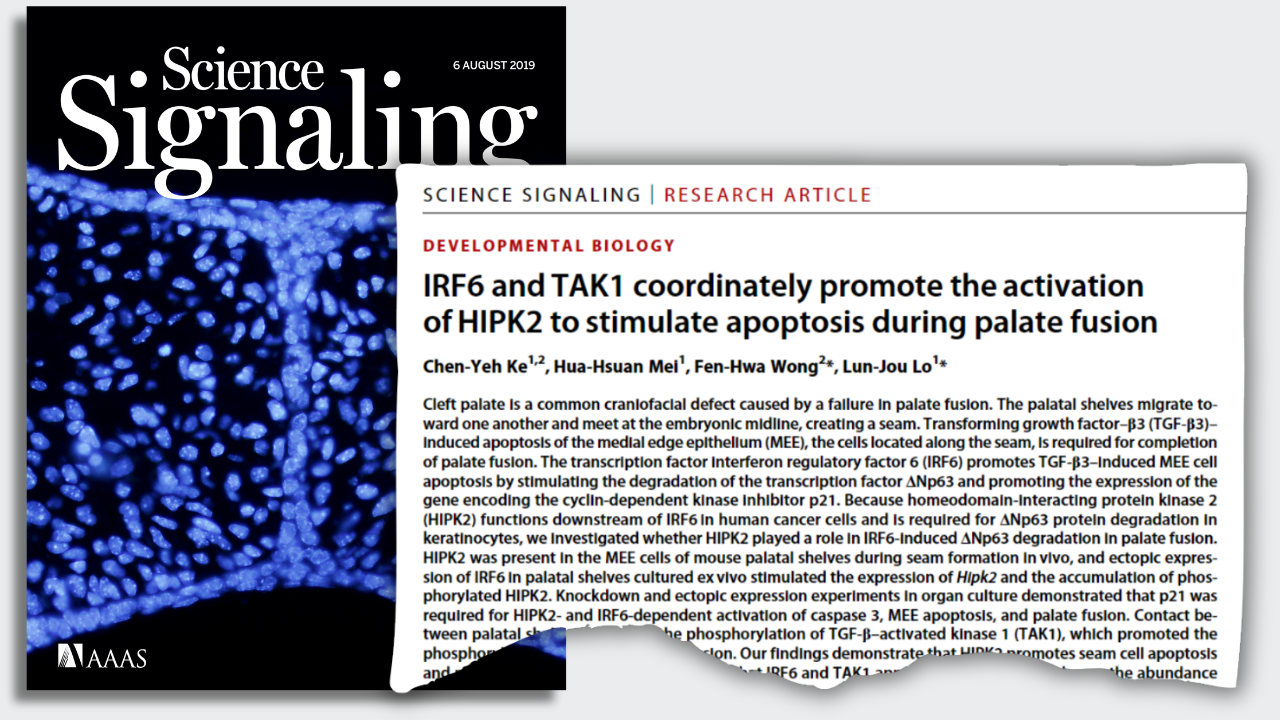
Brookes’ analysis showed a 2019 paper in Science Signaling contained an image identical to an earlier study in Scientific Reports with the same first author — Chen-Yeh Ke, the former postdoctoral fellow at the Icahn School of Medicine at Mount Sinai in New York who was sanctioned by ORI in March for falsifying images in an unpublished manuscript supported by federal funds and reporting the fabricated results in two research performance progress reports.
Brookes reported the duplication to Science Signaling on March 13, the same day he shared the findings on PubPeer, Brookes, a researcher at the University of Rochester Medicine in New York, told Retraction Watch.
On July 14, the journal retracted the molecular biology paper, citing image duplications and other “discrepancies.” The article has been cited 20 times, according to Clarivate’s Web of Science.
Brookes called the journal’s retraction a “surprisingly quick turnround,” and said he wished “more journals were this fast” in resolving integrity issues.
Holden Thorp, editor-in-chief of the Science family of journals, has repeatedly called for a quicker, more transparent process for correcting the scientific literature and expressed criticism about how delays allow flawed data to persist in the record for too long.
We reached out to ORI to ask if they included the Science Signaling paper in their investigation but didn’t immediately get a response.
Science Signaling editors began investigating the paper after being “alerted to a March 11 story in Retraction Watch reporting on the paper’s lead author” and to a related PubPeer post, according to a statement the journal editors sent us. The editors stated the paper’s retraction notice contains “all additional relevant information” and declined to answer any further questions.
The journal confirmed an image in Ke’s paper purportedly showing a sample from a wild-type mouse matched an image in another study showing a sample from virus-infected mouse tissues. Further investigation revealed “additional image duplications” and discrepancies, including several duplicated Western blots and inaccurate labels, according to the retraction notice.
“After being contacted by Science Signaling, the corresponding authors of the study investigated and confirmed our findings, and the first author admitted to improper handling of the data,” the notice stated. “In light of these concerns, the corresponding authors requested that the paper be retracted.”
Authors Fen-Hwa Wong and Lun-Jou Lo agreed with the retraction, and authors Chen-Yeh Ke or Hua-Hsuan Mei did not respond to the journal’s inquiries, according to the notice.
Ke and Mei could not be reached for comment. Ke was a postdoc at the school from 2018 to 2022 and became a manager at Level Biotechnology in Taiwan in 2022, according to his previous LinkedIn profile. That profile is no longer active. We could not find a current workplace for Ke.
Wong and Lo did not return messages seeking comment.
Brookes hailed the AI tool he used, ImageTwin.ai, for revealing the image duplication. ImageTwin, which launched in 2022 and received an enhancement in 2025, is designed to compare research images against a database of more than 160 million published works to detect duplicated figures. We’ve covered several instances of the tool helping to pinpoint duplication.
“There’s simply no way this type of cross-paper comparison would be possible without such tools, since nobody – even with a photographic memory – can keep track of all the images in tens of millions of papers,” he said.
Brookes has been uncovering research integrity errors for more than a decade, and previously operated a blog highlighting potential problems in the scientific literature. He shuttered the website in 2013 due to legal threats.
Like Retraction Watch? You can make a tax-deductible contribution to support our work, follow us on X or Bluesky, like us on Facebook, follow us on LinkedIn, add us to your RSS reader, or subscribe to our daily digest. If you find a retraction that’s not in our database, you can let us know here. For comments or feedback, email us at [email protected].