 When Alexander Harms arrived at the University of Copenhagen in August 2016, as a postdoc planning to study a type of antibiotic resistance in bacteria, he carried with him a warning from another lab who had recruited him:
People said, “If you go there, you have to deal with these weird articles that nobody believes.”
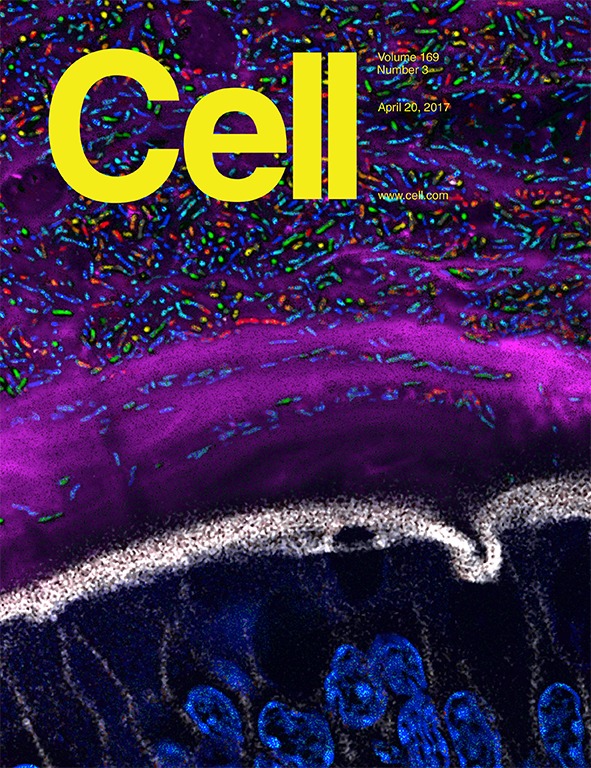
The papers in question had been published in the Proceedings of the National Academy of Sciences in 2011 and Cell in 2013. Led by Kenn Gerdes, Harms’s new lab director, the work laid out a complex chain of events that mapped out how an E. coli bacterium can go into a dormant state, called persistence, that allows it to survive while the rest of its colony is wiped out.
Despite some experts’ skepticism, each paper had been cited hundreds of times. And Harms told us:
I personally did believe in the published work. There had been papers from others that kind of attacked [the Gerdes lab’s theory], but that was not high-quality work.
But by November 2016, Harms figured out that the skeptics had been right. Continue reading Overlooked virus “generated a mess,” infected highly cited Cell, PNAS papers
 Before we present this week’s Weekend Reads, a question: Do you enjoy our weekly roundup? If so, would you consider a tax-deductible donation to support it?

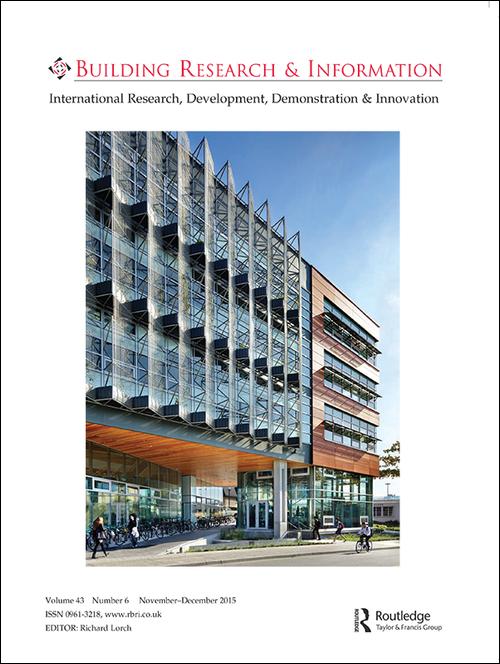 The editorial board of an architecture journal has resigned en masse after the publisher announced it plans to terminate the editor’s contract at the end of this year.
 A biology journal is investigating concerns about a 2014 paper by a marine biologist