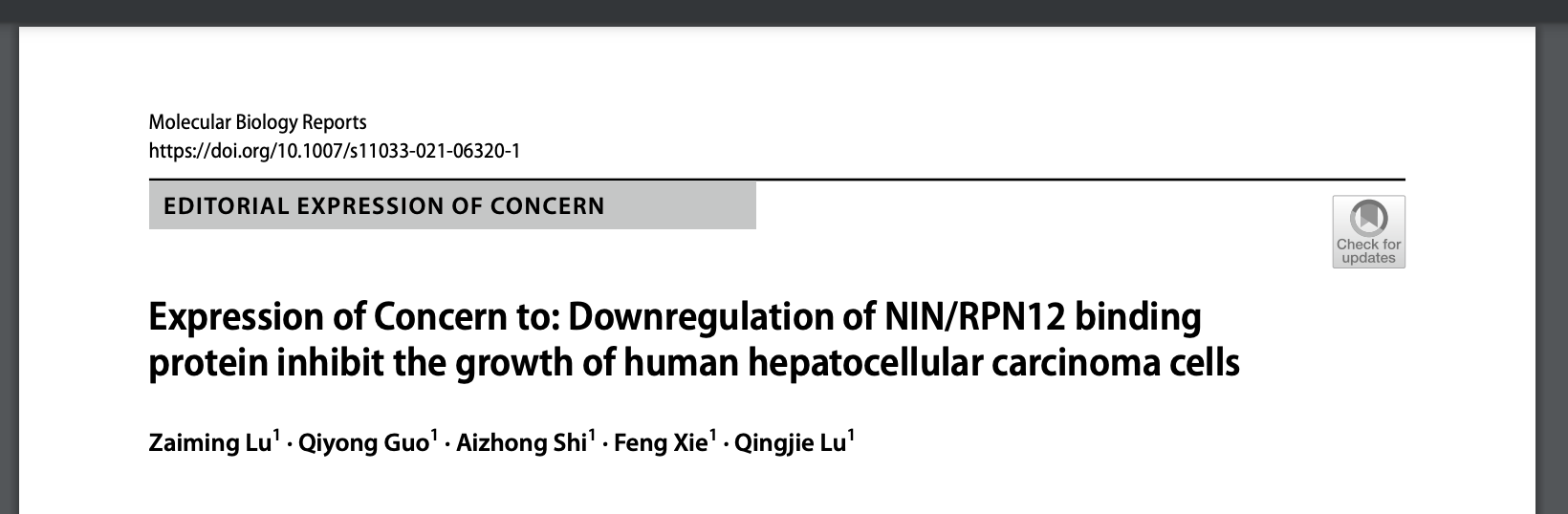
whether the suppression of Nob1 by short hairpin RNA (shRNA) inhibits the growth of human hepatocellular carcinoma (HCC) cells. Recombinant lentiviral shRNA expression vector carrying Nob1 was constructed and then infected into human HCC cell line SMMC-7721
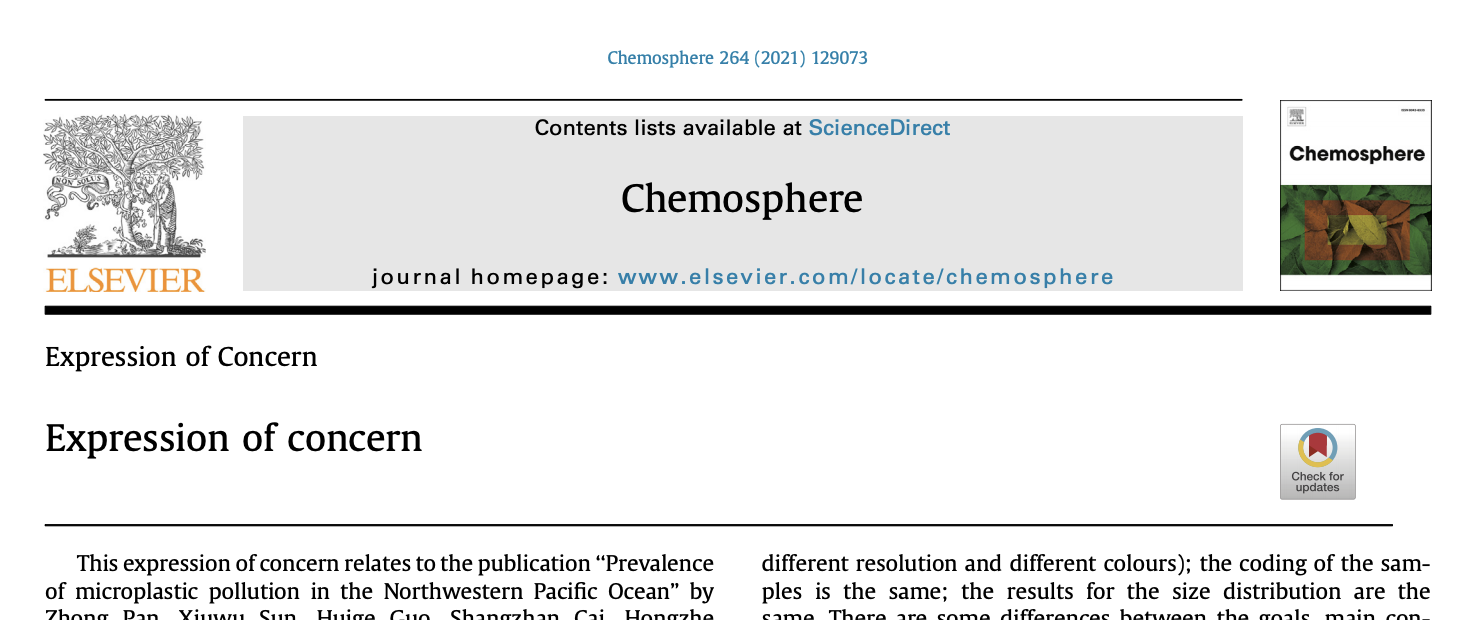
Chemosphere has issued an expression of concern for a 2019 paper on microplastics in the ocean with an uncomfortable degree of similarity to a previously published article in another journal.
However, the editors decided that they could find enough daylight between the two papers that leaving their version unretracted was “barely justified” — a less-than-hearty endorsement of the article and one that’s likely to leave readers with more questions than answers about the integrity of the work.
A journal has issued an expression of concern for a 2014 paper on a study of a potential treatment for autism.
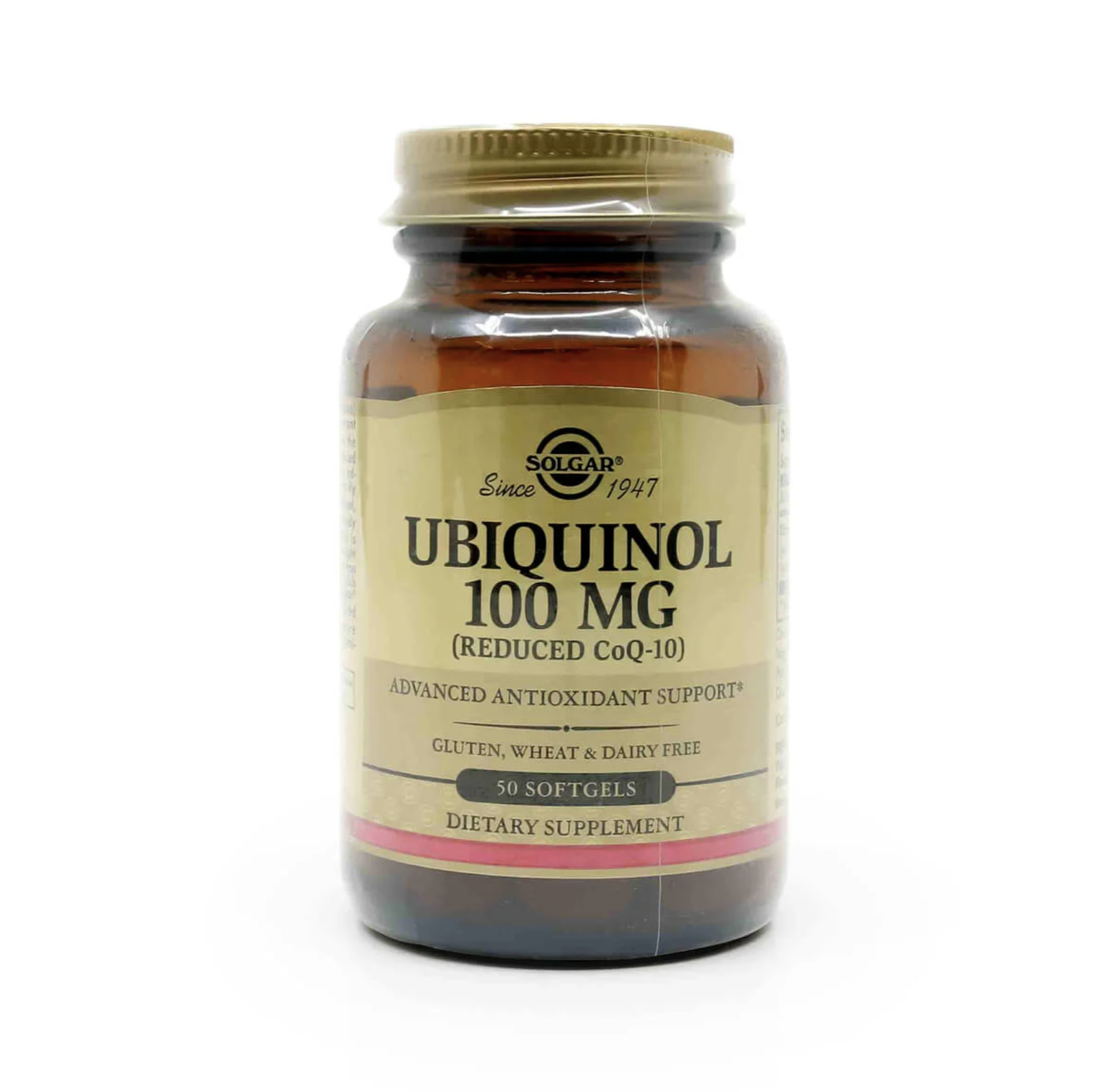
The article, by a group in Slovakia, purported to show for the first time that the drug ubiquinol — a form of the compound coenzyme Q₁₀ — could improve the ability of children with autism to communicate with their parents, communicate verbally, play games with other children and help with other behaviors.
The paper was published in Oxidative Medicine and Cellular Longevity, a Hindawi journal. The first author was Anna Gvozdjáková, of Comenius University in Bratislava, and the last author was Fred Crane, a former biologist at Purdue University in Indiana. Crane, who died in 2016, is credited with being the discoverer of coenzyme Q10 in mitochondria in 1957. The 2014 article — which has been cited 29 times, according to Clarivate Analytics’ Web of Science — was among the last of his 400-plus papers to appear in print.
More than six months after two of the world’s leading medical journals retracted papers on COVID-19 based on suspect data from a questionable company, a journal says it has cleared a raft of articles by the controversial founder of the firm. Or, has it?
Vascular, a SAGE title, says it has investigated all papers in the journal by Sapan Desai that relied on “a significant amount of data,” whatever that means. Desai, you’ll recall, founded Surgisphere, which is now famous for refusing to share its data in articles published in The Lancet and The New England Journal of Medicine.
We counted 18 11 papers in Vascular on which Desai was a co-author. The journal says — in a rather oblique way — that all but two of the articles it examined either checked out or didn’t include enough data to raise alarms.
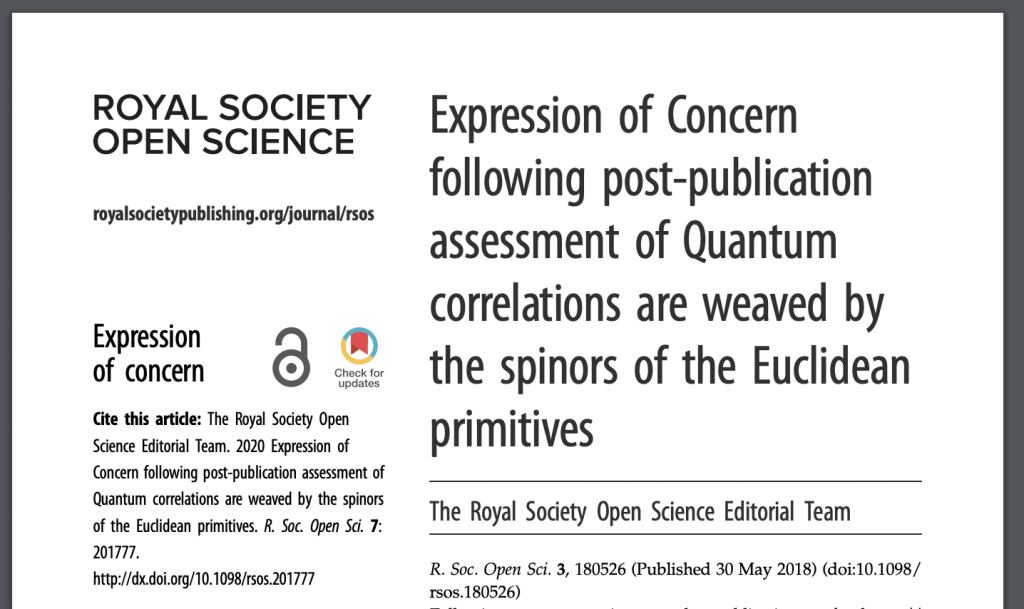
A journal published by the Royal Society in the United Kingdom has issued an updated expression of concern for a 2018 paper by a mathematician whose work has been the subject of intense scrutiny on this website and elsewhere. But the notice is less of a statement of problems than a rationalization.
A group of veterinary researchers at the University of California, Davis, has received an expression of concern for their May 2020 study on heart disease in dogs, for failing to adequately disclose conflicts of interest and for other aspects of the article.
Science has issued an expression of concern for a paper it published earlier this summer after readers pointed out suspect images in the work.
The July 10 article, titled “Proton transport enabled by a field-induced metallic state in a semiconductor hetero-structure,” came from a group in China and the United Kingdom. The corresponding authors were Bin Zhu and Huaibing Song, of China University of Geosciences in Wuhan. Zhu also is affiliated with the Southeast University School of Energy and Environment in Nanjing.
Shortly after publication, data-sleuth Elisabeth Bikposted on PubPeer that she’d been alerted by a reader to potential problems with two of the figures in the paper:
A heart journal has issued an expression of concern about a 2017 paper which looks suspiciously like a 2016 article by some of the same researchers that appeared in an anesthesiology publication.
A group of researchers in India whose findings in a 2015 paper evidently looked too good to be true have received an expression of concern because they claim Covid-19 restrictions have made it impossible to recover their raw data.