Exclusive: ‘Highly problematic’ policy has Saudi university pressuring faculty to cite its research 

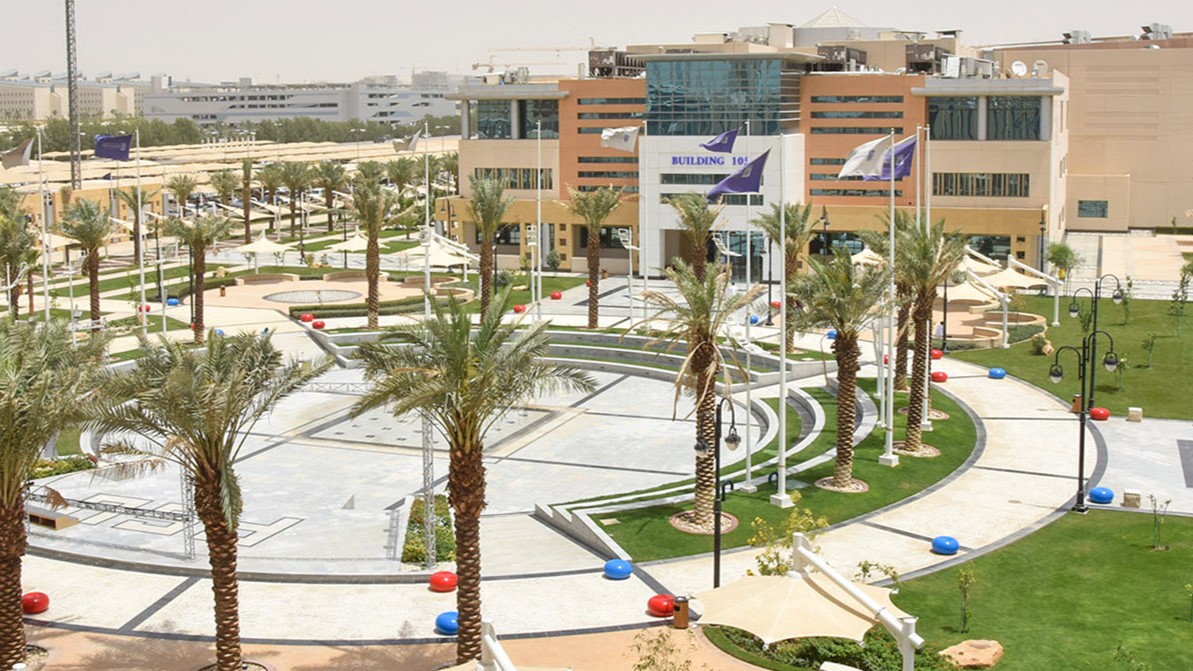
Prince Sultan University

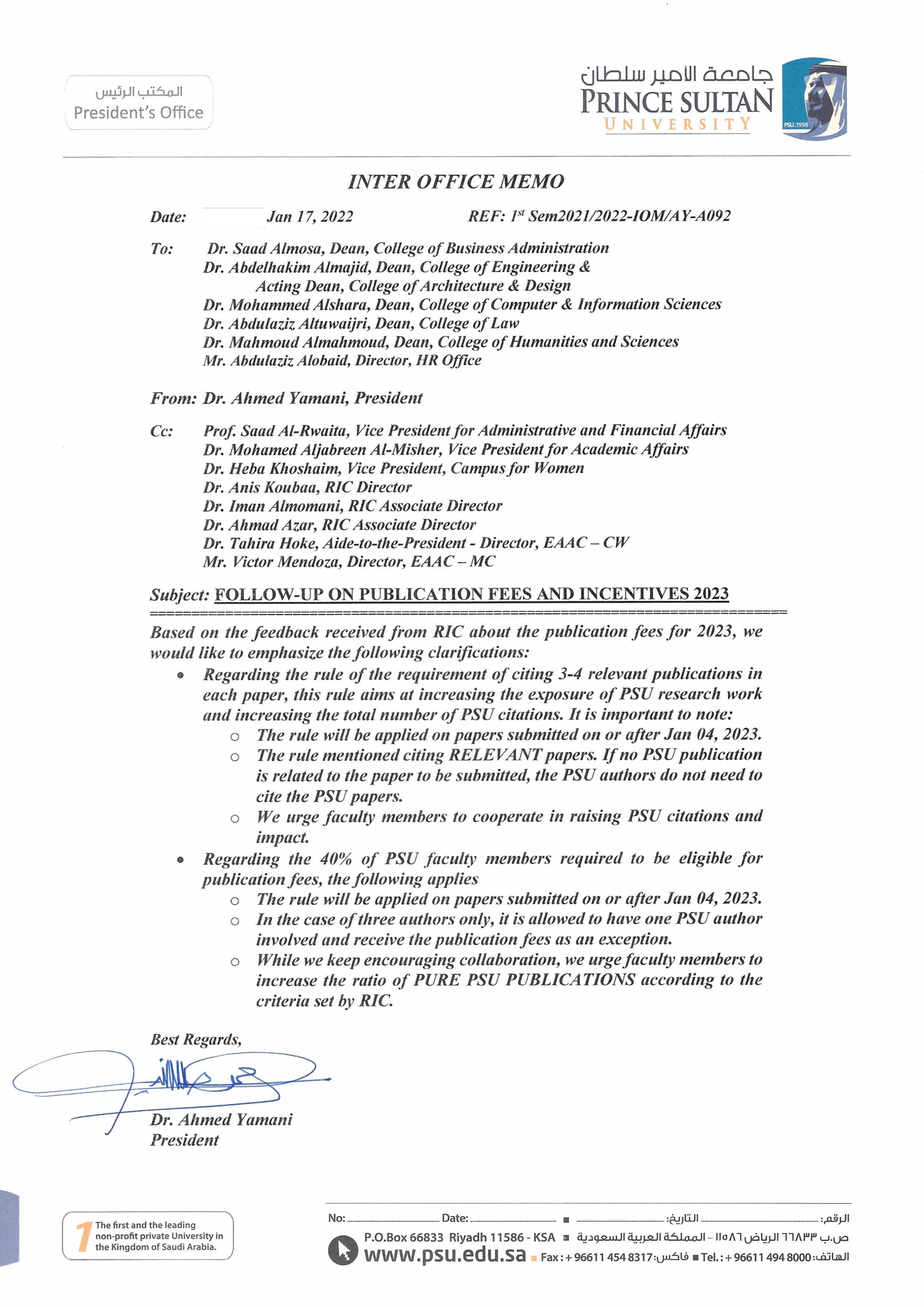
At Prince Sultan University in Saudi Arabia, faculty members must help raise their school’s academic standing not by doing impactful work, but by citing the institution’s research in their papers, according to a document Retraction Watch has obtained.

In an interoffice memo from 2022, Ahmed Yamani, president of the Riyadh-based institution, referred to “the rule of the requirement of citing 3-4 relevant publications in each paper” whose aim was “increasing the exposure of PSU research work and increasing the total number of PSU citations.”

Coordinated citation efforts can boost the rankings of institutions and individual researchers. The Committee on Publication Ethics considers citation manipulation unethical

Continue reading Exclusive: ‘Highly problematic’ policy has Saudi university pressuring faculty to cite its research 

Computing society pulls works for ‘citation falsification’ months after sleuth is convicted of defamation

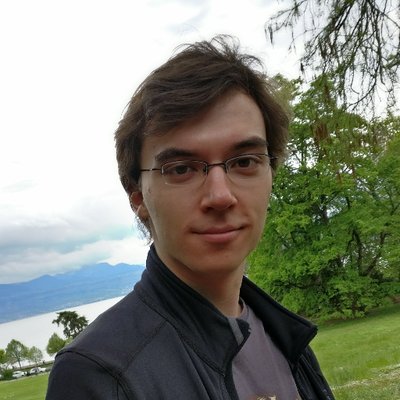
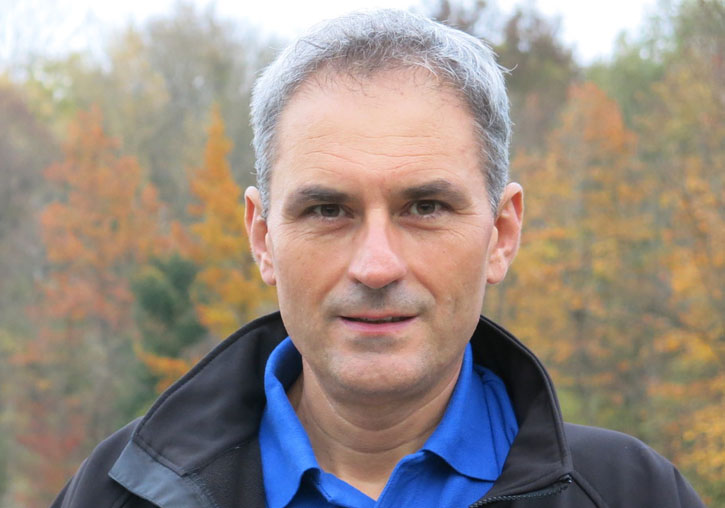
Solal Pirelli

An international computing society has begun retracting conference papers for “citation falsification” only months after the sleuth who flagged the suspect articles was convicted for defamation in a lawsuit filed by one of the offending authors.

So far, the Association for Computing Machinery (ACM) has pulled at least 27 of the papers, but dozens more remain, according to Solal Pirelli, a software engineer in Lausanne, Switzerland, who raised concerns about the articles more than two years ago. Some of the proceedings allegedly include plagiarized works, while others are plagued by citation stuffing.

The retraction notices from September 10 state:

Continue reading Computing society pulls works for ‘citation falsification’ months after sleuth is convicted of defamation

Math is back as Clarivate boosts integrity markers in Highly Cited Researchers list

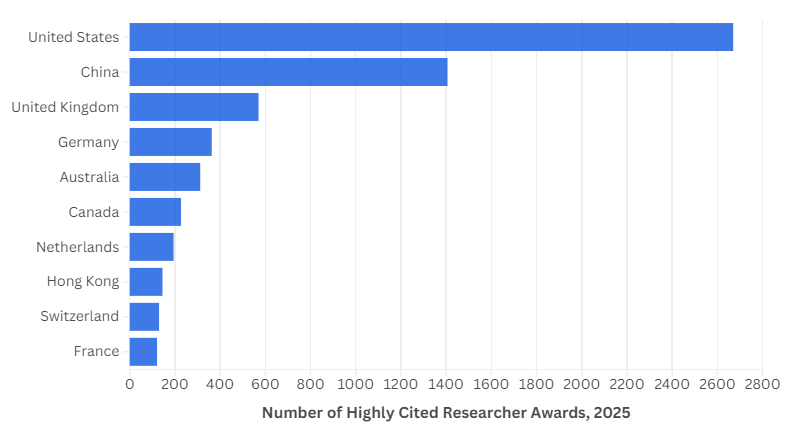
This year’s Highly Cited Researchers are from 61 countries and regions, but 86 percent of them work in the top 10.

The analysis behind this year’s Highly Cited Researchers list, released today by indexing giant Clarivate, includes several tweaks aimed at reducing attempts to game the metric and excluding researchers who engage in questionable publication practices.

Those changes include removing highly cited papers from the calculations authored by researchers excluded from last year’s list for integrity issues. The company also applied specific removal criteria — including excessive self-citation rates, papers retracted for integrity concerns, and prolific publication rates — more comprehensively this year. In past years, the company had done so manually for particular geographic areas or disciplines.

“We’re trying to make sure that the indicators are valid and reliable, which means we have to include these kinds of filters or screens and quantitative tests that indicate some kind of quality, qualitative character,” David Pendlebury, head of research analysis at the Institute for Scientific Information at Clarivate, told Retraction Watch.

Continue reading Math is back as Clarivate boosts integrity markers in Highly Cited Researchers list

Exclusive: Iraqi university forcing students to cite its journals to graduate

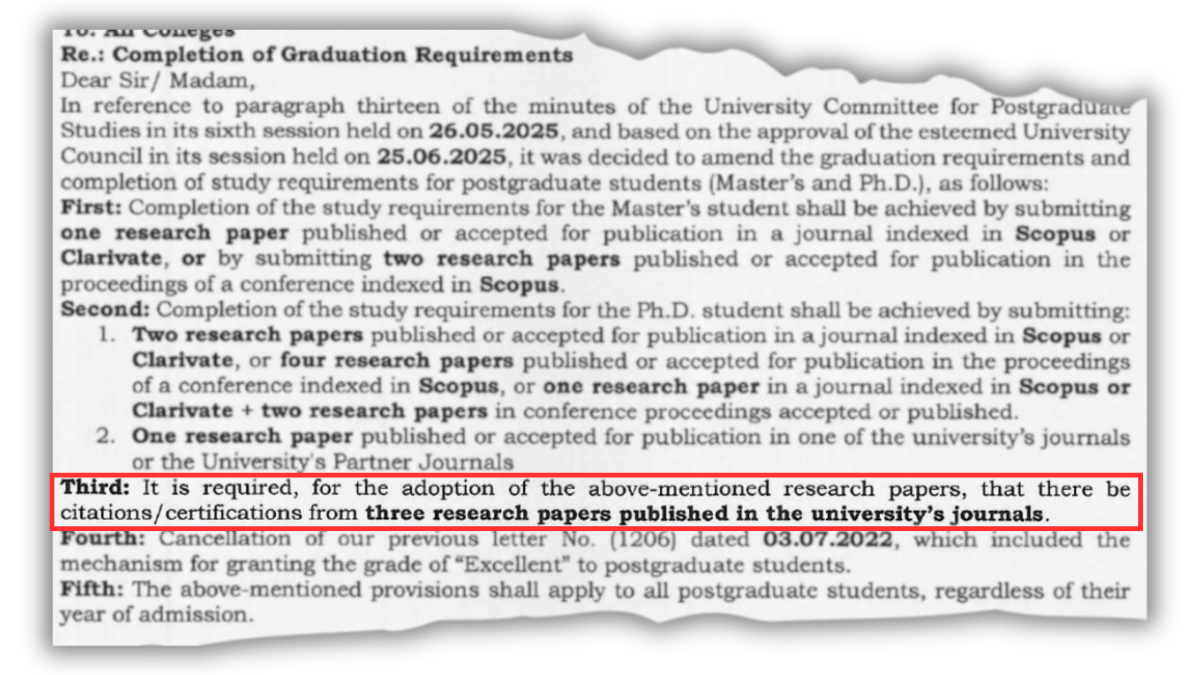
To earn their degrees, graduate students at the University of Technology in Baghdad not only must publish research in indexed journals. They also are required to cite articles in their school’s own publications, a document obtained by Retraction Watch shows.

Experts who reviewed the document called the citation requirement “deceptive and despicable” and said it could carry a steep price for the journals involved, one of which is indexed in Scopus.

Coercive citation is widespread in academia and can help boost the rankings of publications, institutions and individual researchers. The practice is considered unethical and may trigger heavy penalties.

Continue reading Exclusive: Iraqi university forcing students to cite its journals to graduate

Soil scientist previously named in citation scandal appointed to editor role at Elsevier journal

Artemi Cerdà

A soil scientist who resigned from several journals in 2017 after being linked to manipulated citations has been appointed to the editorial board of a journal copublished by Elsevier and China Science Publishing & Media.

International Soil and Water Conservation Research announced in April that Artemi Cerdà would serve as an editorial board member, describing him as a “renowned researcher” in the field of soil erosion and land management. The appointment comes eight years after Cerdà, of the University of Valencia, in Spain, was found to have manipulated citations in favor of his own work and journals with which he was associated. 

While Cerdà has not responded to our questions about his appointment, a spokesperson for Elsevier acknowledged Cerdà’s history but defended the decision, writing that researchers “grow into their roles through participation and learning.” The spokesperson continued:

Continue reading Soil scientist previously named in citation scandal appointed to editor role at Elsevier journal

Deputy minister in Iraq losing papers with signs of paper mill involvement

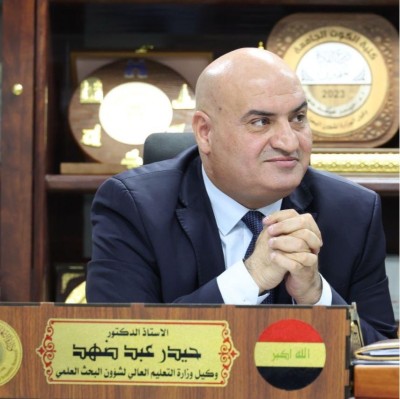
Hayder Abed Dhahad

A high-ranking official at Iraq’s Ministry of Higher Education and Scientific Research has earned six retractions over the past two years for issues including citation stuffing and “suspicious” authorship changes after articles were accepted.

Both practices are warning signs of a paper mill at play. At least two of the official’s retracted works appeared in a special issue edited by an academic who has been accused of being part of authorship-for-sale networks.

But Hayder Abed Dhahad, Iraq’s deputy minister for scientific research affairs, who was a corresponding author on two of the articles and a coauthor on the rest, told us the “retractions were not due to fabricated results or research misconduct on my part.” He added that “as a public figure currently involved in national projects,” he had been the target of “politically motivated campaigns aimed at damaging my reputation.”

Continue reading Deputy minister in Iraq losing papers with signs of paper mill involvement

Citation issues cost these 20 journals their impact factors this year

Twenty journals lost their impact factors in this year’s Journal Citation Reports, released today, for excessive self-citation and citation stacking. Nearly half of the journals on the list are from well-known publishers MDPI, Sage, Springer, Taylor & Francis and Wiley. 

Clarivate releases the annual Journal Citation Reports each June. For the first time, the company excluded citations to retracted papers when calculating this year’s impact factors. Amy Bourke-Waite, a communications director for Clarivate, told Retraction Watch this change affected 1% of journals, none of which lost impact factors in 2025. 

Many institutions use the controversial metric as an indicator of journal quality. And suppressing a journal’s impact factor can have negative effects on the publication and the authors who publish papers in it. 

Continue reading Citation issues cost these 20 journals their impact factors this year

Paper rejected for AI, fake references published elsewhere with hardly anything changed

One journal’s trash is another’s treasure – until a former peer reviewer stumbles across it and sounds an alarm.

In April, communications professor Jacqueline Ewart got a Google Scholar notification about a paper published in the World of Media she had reviewed, and recommended rejecting, for another journal several months earlier.

At the time, she recommended against publishing the article, “Monitoring the development of community radio: A comprehensive bibliometric analysis,” in the Journal of Radio and Audio Media, or JRAM, because she had concerns the article was written by AI. She also noticed several references, including one she supposedly wrote, were fake. 

Continue reading Paper rejected for AI, fake references published elsewhere with hardly anything changed

A ‘joke’: Paper with ‘completely irrelevant’ citations retracted

A paper that made the rounds last year for its blatantly “irrelevant” citations has now been retracted. 

Elsevier’s International Journal of Hydrogen Energy published “Origin of the distinct site occupations of H atom in hcp Ti and Zr/Hf” in November 2024.

Paragraph seven of the introduction consists of a single sentence: “As strongly requested by the reviewers, here we cite some references [35-47] although they are completely irrelevant to the present work.” One of the authors told us they included the references as a “joke” after reviewers pressured them.

All 13 of the references include Sergei Trukhanov as an author, and all but one also includes Alex Trukhanov. 

Continue reading A ‘joke’: Paper with ‘completely irrelevant’ citations retracted

Former student was running a paper mill, says University of Manchester

Sameer Quazi

An English university has issued a finding of research misconduct against a former graduate student and is requesting 10 retractions of his published work, which they say bears the marks of being papermilled. 

The former student, Sameer Quazi, was enrolled at the University of Manchester in 2021 in the school’s “PGCert” program in clinical bioinformatics, according to his LinkedIn profile. The certificate program sits between undergraduate and masters training. Quazi’s profile states he is currently enrolled in a master’s program in biomedical sciences at Anglia Ruskin University, in Cambridge. (Update, 2/7/25: As of 2/3/25, his LinkedIn profile says he left there this month, and Ruskin tells us his course there ended in March 2023.)

According to a January 30 statement from the university

Continue reading Former student was running a paper mill, says University of Manchester