Fakery. Ignored whistleblowers. Sabotage. Subterfuge.
Reading reports of institutional investigations into allegations of misconduct can sometimes feel like reading a spy novel about science. And we’ve read a lot of them.
In a recent post that drew from one such report, we wrote:
Whenever we learn about misconduct cases at public universities, we file such public records requests to obtain more information because we believe, as did Justice Louis Brandeis, that sunlight is the best disinfectant.
But just as retraction notices are often unhelpful and even misleading, suggesting a lack of transparency, reports of institutional investigations can leave a lot to be desired, and reveal flaws in the the process that lead to them. As we and C.K. Gunsalus noted recently in JAMA:
Continue reading Reports of misconduct investigations can tell us a lot. Here are more than a dozen of them. Before we present this week’s Weekend Reads, a question: Do you enjoy our weekly roundup? If so, we could really use your help. Would you consider a



 If scientific publishing were the World Cup, twenty scientific journals are being effectively taken out of competition today. And five others are being given a stern first-time warning.
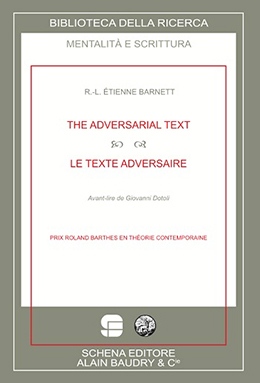 A mysterious lit and film critic who built a significant portion of his career using the words of other scholars instead of writing his own appears to be attempting a second act.
  In March, a journal published a paper about blood sugar levels in newborns that caused an immediate outcry from outside experts, who were concerned it contained a sentence that could be potentially harmful if misinterpreted by doctors.