Lancet flags long-scrutinized report of infant poisoned by opioids in breast milk

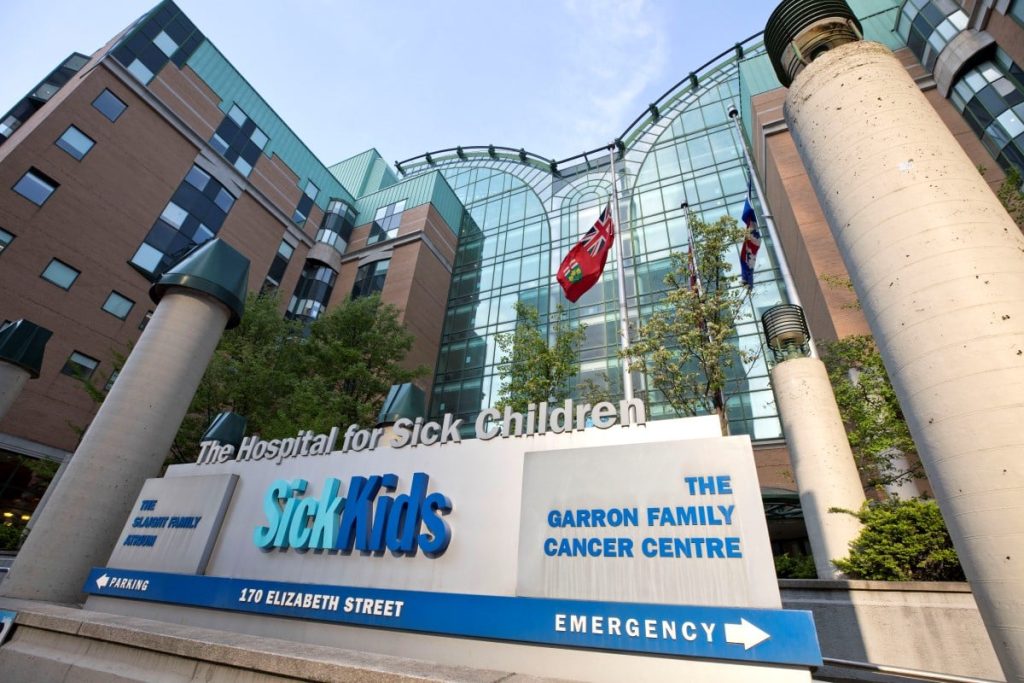
The Hospital for Sick Children in Toronto

The Lancet has put an expression of concern on a 2006 case report of a baby’s death purportedly from morphine poisoning through breast milk. The decision comes just days after the New Yorker published a year-long investigation into the death and the controversies that have surrounded it.

The case report described the 2005 death of a baby boy whose mother had been prescribed Tylenol 3, which contains codeine. Gideon Koren, founder of the now-defunct Motherisk Drug Testing Laboratory at the University of Toronto’s Hospital for Sick Children, used the case for years to claim codeine – which gets metabolized to morphine in the body – can pose a lethal risk to breastfeeding infants.

“It feels like an element of vindication,” David Juurlink, professor of medicine and pediatrics at the University of Toronto, told Retraction Watch of the expression of concern. Juurlink, a pharmacologist and toxicologist who has been pursuing this case for over a decade, requested The Lancet retract the article in 2020, when he and a colleague published a review article calling into question key elements of the case report. The paper, he said, “really does serve as the foundation of an entire branch of pediatric pharmacology that shouldn’t exist.”

Continue reading Lancet flags long-scrutinized report of infant poisoned by opioids in breast milk
Mega-journal Heliyon retracts hundreds of papers after internal audit 

Heliyon has published fewer papers and ramped up its retractions since a major indexing service put the journal on hold and the publisher launched an audit of all papers published in the journal since its launch in 2016.

Clarivate put Heliyon on hold in September 2024, citing concerns about the quality of the content. The “on-hold” status indicates a journal is being re-evaluated, and new content isn’t indexed, according to documentation on the Clarivate website. A spokesperson for Clarivate told us they couldn’t comment on specific journals, but said a journal must be both taken off hold and have its missing content backfilled by August 1 in order to receive an impact factor for that year. If a journal is still on hold and content hasn’t been backfilled, the journal will not receive an impact factor, the spokesperson said.

Heliyon published over 11,000 papers in 2023 and more than 17,000 in 2024, issuing around two dozen retractions in each year. Last year, the journal published 3,168 articles and retracted 392 others. 

Continue reading Mega-journal Heliyon retracts hundreds of papers after internal audit 

Spanish court rules researcher plagiarized colleague, orders withdrawal of works  

Spain’s Supreme Court in Madrid
Cberbell/Wikimedia Commons

The Supreme Court of Spain has ordered a literary scholar to pursue retractions of nine works it determined were plagiarized.     

The Tribunal Supremo upheld a lower court’s ruling that narrative theory researcher Franciscó Álamo Felices, a professor at the University of Almería in Spain, plagiarized a colleague’s work in two books and seven articles. José R. Valles Calatrava, a literary theory professor at the same university, sued Felices in 2019 for infringement of his intellectual property rights.

That lower court found Felices responsible for “a huge amount of plagiarism at different times and in different articles, revealing a systematic and conscientious parasitic attitude and a desire for appropriation,” according to a translation of the ruling by DeepL Translate. In an October 2025 decision, the Tribunal Supremo dismissed an appeal by Felices against the ruling, finding he failed to demonstrate any fundamental errors of law. 

Continue reading Spanish court rules researcher plagiarized colleague, orders withdrawal of works