Yes, you read that headline right.
In a new preprint posted to bioRxiv, image sleuths scanned hundreds of papers published over a seven-year period in Molecular and Cellular Biology (MCB), published by the American Society for Microbiology (ASM). The researchers — Arturo Casadevall of Johns Hopkins University, Elisabeth Bik of uBiome, Ferric Fang of the University of Washington (also on the board of directors of our parent non-profit organization), Roger Davis of the University of Massachusetts (and former MCB editor), and Amy Kullas, ASM’s publication ethics manager — found 59 potentially problematic papers, of which five were retracted. Extrapolating from these findings and those of another paper that scanned duplication rates, the researchers propose that tens of thousands of papers might need to be purged from the literature. That 35,000 figure is double the amount of retractions we’ve tallied so far in our database, which goes back to the 1970s. We spoke with the authors about their findings — and how to prevent bad images from getting published in the first place.
Retraction Watch: You found 59 potential instances of inappropriate duplication — how did you define this, and validate that the images were problematic?
Continue reading 35,000 papers may need to be retracted for image doctoring, says new paper


 If scientific publishing were the World Cup, twenty scientific journals are being effectively taken out of competition today. And five others are being given a stern first-time warning.
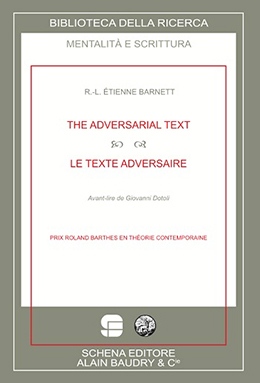 A mysterious lit and film critic who built a significant portion of his career using the words of other scholars instead of writing his own appears to be attempting a second act.
  Before we present this week’s Weekend Reads, a question: Do you enjoy our weekly roundup? If so, we could really use your help. Would you consider a
  In March, a journal published a paper about blood sugar levels in newborns that caused an immediate outcry from outside experts, who were concerned it contained a sentence that could be potentially harmful if misinterpreted by doctors.
  In September 2014, an investigation into the work of an award-winning cancer researcher in Illinois concluded that multiple papers had been affected by misconduct. Now, nearly four years later,