A few weeks ago, we received a press release that gave us pause: The University of Liverpool said it had found one of its researchers guilty of research misconduct — but did not say who, nor which papers might be involved.
Now, less than one month later, the university is naming the researcher, and identifying a paper that it has asked the journal to retract.
After we covered the opaque release, we received some tips that the scientist might be Daniel Antoine, who studies liver damage. Last week, Liverpool confirmed that Antoine is the researcher in question.
After he left Liverpool, Antoine took a position at the University of Edinburgh. However, the faculty page is now blank, and a spokesperson told Retraction Watch he is “no longer employed by the University”:
Continue reading University of Liverpool reverses course, names researcher guilty of misconduct
 In April 2015, two high-profile chemistry bloggers — and their commenters — raised questions about a paper that had been published in PLOS ONE some 18 months earlier. More than three years later, the journal has now retracted the paper, with a notice that echoes the 2015 blog posts.
 A group of editors of journals focused on the history of economics has gone public to urge Clarivate Analytics, which publishes a highly influential ranking of journals, to reconsider its decision to drop the titles from this year’s index.
 Researchers have retracted a 2015 Nature paper about the molecular underpinnings of immune function after discovering they could not replicate key parts of the results.
 Before we present this week’s Weekend Reads, a question: Do you enjoy our weekly roundup? If so, we could really use your help. Would you consider a
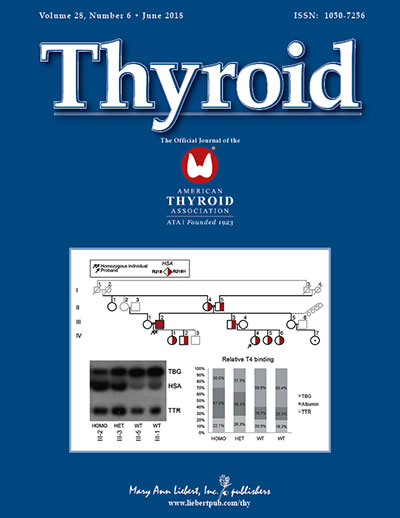 Barislav Momčilović thinks that iodine status is — after iron deficiency — the “main public health” issue in the world today. So when he figured out what he believed was the best way to test levels of the mineral, he was determined to get the message out.
 Last year,