Exclusive: UCSF and VA found “pervasive” manipulation in lab of former center director

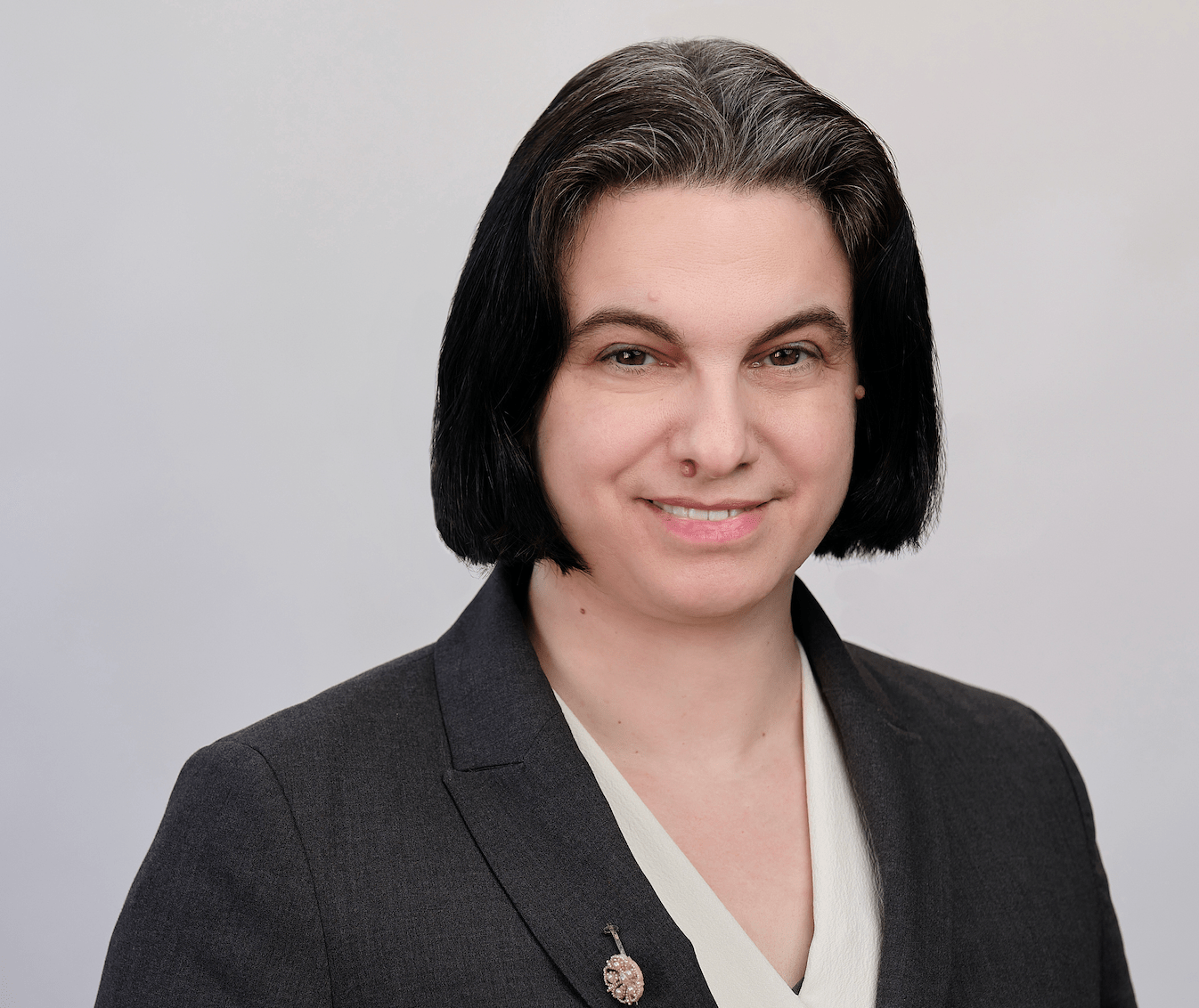
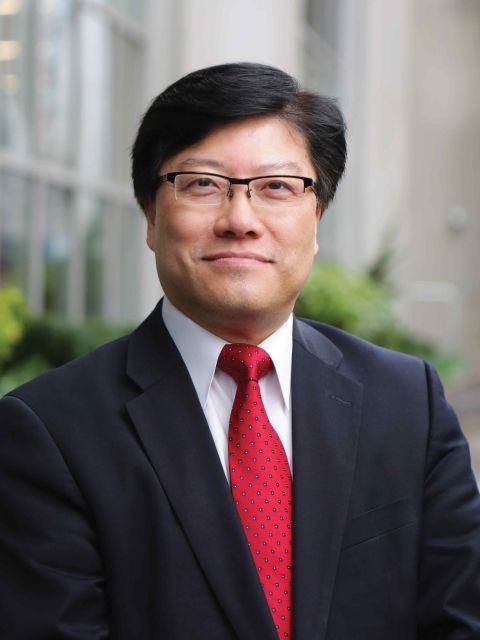
Rajvir Dahiya

Two institutional investigations that concluded in 2016 and 2019 found scientific misconduct in multiple publications from the lab of a leading urologist at the University of California, San Francisco, Retraction Watch has learned. 

The investigations could not determine who had manipulated the published images of experimental data, but the 2019 report concluded that Rajvir Dahiya, also director of the urology research center at the San Francisco Veterans Affairs Medical Center, “was senior/last author on all these publications and therefore responsible for the results.” Dahiya retired in 2020. 

The two investigation reports, which we obtained through a public records request, along with the reports from the preliminary inquiries preceding the investigations, recommend notifying the journals that published eight papers of the issues identified. Four have so far been retracted, one corrected, and two marked with expressions of concern. One of those expressions of concern was published last month. 

In comments to Retraction Watch, Dahiya blamed the findings that research misconduct occurred in his lab on the age of the papers. He said the VA destroyed notebooks with original data that had been stored in a central facility after the required data retention period had lapsed: 

Continue reading Exclusive: UCSF and VA found “pervasive” manipulation in lab of former center director
Exclusive: World-renowned biologist accused of bullying student, stealing his work

Stuart Pimm

One of the world’s foremost conservation biologists is being accused of plagiarism and bullying by a former PhD student, Retraction Watch has learned.  

The biologist, Stuart Pimm of Duke University, strongly denies the charges, but he and his colleagues have acknowledged the existence of “closely related” work following an internal investigation by Duke.

The allegations surfaced late last month on X, formerly known as Twitter, in a thread that quickly went viral, garnering hundreds of thousands of views and drawing comments from a broad swath of scientists. 

In the thread, Ruben Dario Palacio claimed his former academic advisor “threatened to kick me out of Duke” to make him work faster. Palacio decided to change labs due to the alleged “bullying and harassment,” he said, and three months later, in April 2020, published his research as a preprint. The article appeared in the journal Diversity and Distributions in October 2021.

Continue reading Exclusive: World-renowned biologist accused of bullying student, stealing his work

Exclusive: Public health journal says it will retract vaping paper for questions authors say were addressed in peer review

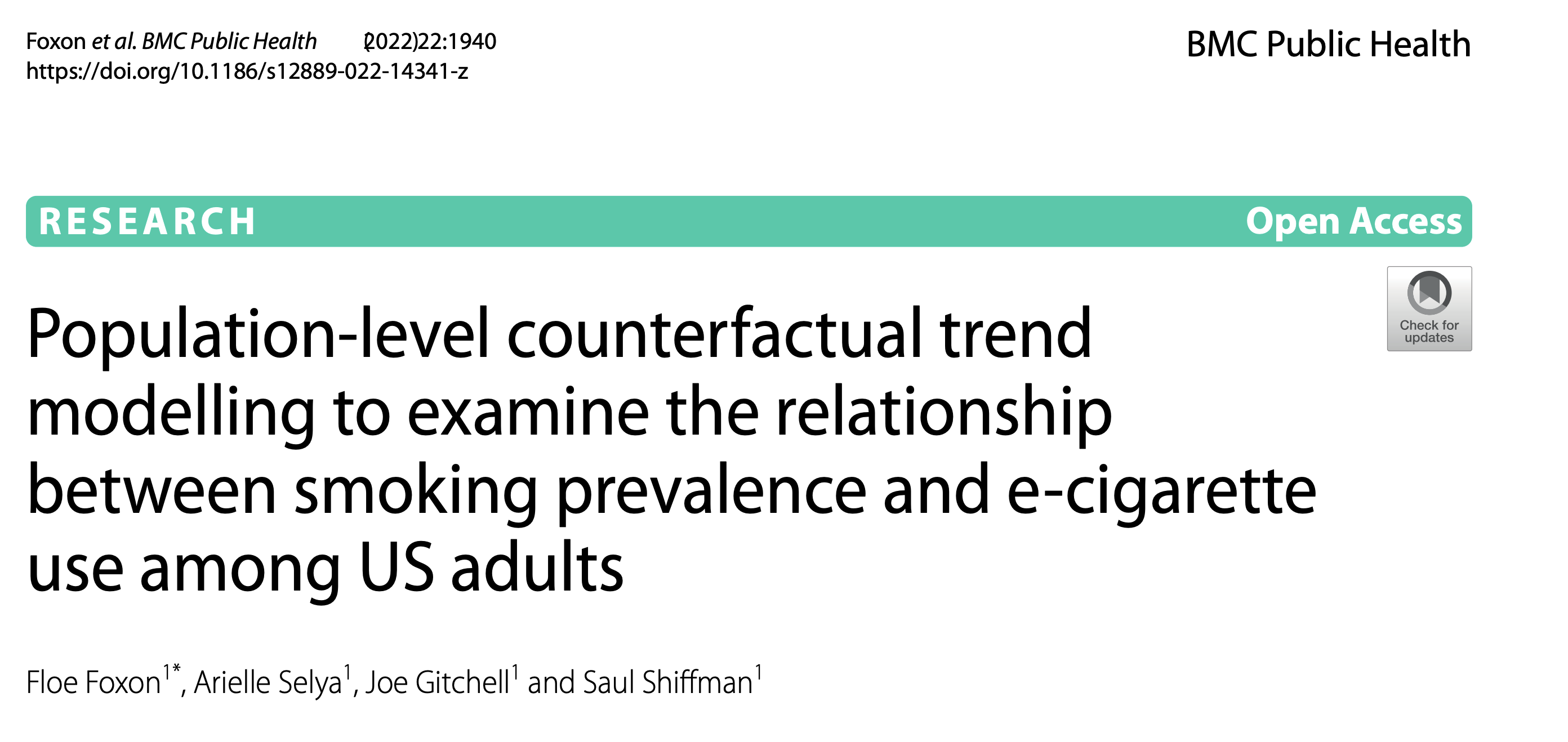
The journal BMC Public Health plans to retract an article that found smoking rates fell faster than expected in the US as use of e-cigarettes increased, Retraction Watch has learned.

The authors contend that they addressed the issues cited in the retraction notice during the peer review process and say they addressed them even more extensively when the journal said they intended to retract.

The paper, “Population-level counterfactual trend modelling to examine the relationship between smoking prevalence and e-cigarette use among US adults,” was published last October. The authors are all employees of Pinney Associates, a consulting firm that they disclosed “provide[s] consulting services on tobacco harm reduction on an exclusive basis to Juul Labs Inc.” The article also disclosed that Juul Labs funded the research and reviewed and provided comments on a draft manuscript. 

Some journals, including several in the BMJ family and the American Journal of Public Health, will not publish research funded by the tobacco industry, which has led to at least one retraction. But the planned BMC Public Health retraction notice does not refer to that conflict of interest.

Continue reading Exclusive: Public health journal says it will retract vaping paper for questions authors say were addressed in peer review

Florida university fires criminology professor blemished by retractions

Florida State University last week terminated a criminology professor accused of research misconduct, Retraction Watch has learned, capping a years-long, highly publicized saga the school says has caused almost “catastrophic” damage to its standing.

In a termination letter obtained by Retraction Watch, the university accused the former professor, Eric A. Stewart, of “extreme negligence and incompetence.” It also asserted that, due to Stewart’s actions, “decades of research” once believed “to be at the forefront of” criminology has “been shown to contain numerous erroneous and false narratives.”

“The details of problematic data management, false results, and the numerous publication retractions have negatively affected the discipline on a national level,” FSU Provost James J. Clark wrote in the letter, dated July 13. 

Clark added that the debacle had also affected recruitment of faculty and students and caused the university’s researchers to worry about their chances of getting papers into top journals.

Continue reading Florida university fires criminology professor blemished by retractions

Scientist with six retractions wins challenge of firing, funding ban

Christian Kreipke

Ten years after a neuroscientist was fired from his job at a Veterans Administration Medical Center, he has won a challenge of the decision.

Wayne State University, where the researcher, Christian Kreipke, was studying traumatic brain injury, fired him in February 2012 following a research misconduct investigation that found he had faked data. At the time Kreipke had a dual appointment at the John D. Dingell Veterans Administration Medical Center in Detroit.

Kreipke maintains that Wayne State investigated him in retaliation for asking questions about how the university administered grant funding. He filed a whistleblower lawsuit after he was fired alleging that the university had committed grant fraud against the federal government, to the tune of $169 million. In 2014, a judge dismissed the case

Continue reading Scientist with six retractions wins challenge of firing, funding ban

Guest post: When whistleblowers need lawyers

Eugenie Reich

In my prior career as an investigative science journalist and now as a whistleblower lawyer, I’ve seen institutions react to allegations of scientific fraud in two ways. 

The first could be called “Investigate and Disclose.” This strategy was exemplified by Bell Laboratories’ 2002 investigation of allegations that Jan Hendrik Schön, a member of the technical staff, mishandled data. The allegations were published in The New York Times in May. In September, Bell Labs released a thorough report on its inquiry revealing fabrications in multiple Nature and Science papers, which were promptly retracted. The report made possible a 2009 book I wrote about the scandal, because once a proper investigation began (and it took a while to get going), the company clarified within months that Schön had faked his data. 

The second, more common response is “Delay and Deny” or “Delay and Downplay,” which is a more common – but insidious – strategy. A Delay and Deny response is not helpful to anyone outside a tiny inner circle of administrators, irrespective of the merit of the allegations.

Continue reading Guest post: When whistleblowers need lawyers

Exclusive: Former Tufts researcher suspended from animal work after abuse

A researcher and former faculty member at Tufts School of Medicine in Boston has been banned from working with animals for a year following repeated cases of abuse under his supervision, according to documents obtained by an animal-rights group.

In an Oct. 26, 2022, letter to the federal Office of Laboratory Animal Welfare, the university reported “serious and continuing noncompliance with” animal-welfare regulations. These breaches included “injections in mice via an unapproved route/location, failure to provide required analgesia, inadequate supportive care and monitoring, and failure to euthanize mice upon reaching the approved humane endpoints,” Tufts said.

When asked for his comments, the researcher “refuted most of the allegations and took no responsibility for his actions,” the university added.

Continue reading Exclusive: Former Tufts researcher suspended from animal work after abuse

Exclusive: Committee recommended pulling several papers by former Cornell med school dean

Augustine M. K. Choi

Following an investigation launched by Cornell University, a committee recommended pulling several papers by lung-disease researcher Augustine M. K. Choi, who served as dean of Weill Cornell Medicine until this year, Retraction Watch has learned.

Choi’s latest retraction, which brings him up to three so far,  came on March 15, when The Journal of Clinical Investigation pulled “UCP2-induced fatty acid synthase promotes NLRP3 inflammasome activation during sepsis.” The paper has been cited 178 times, according to Clarivate’s Web of Science. 

The retraction notice reads: 

Continue reading Exclusive: Committee recommended pulling several papers by former Cornell med school dean

Exclusive: Deepfake pioneer to lose two papers after misconduct finding of faked data

Hao Li

Two papers coauthored by a computer scientist whose work on visual effects has been credited in big-name Hollywood movies will soon be retracted after a publisher’s investigation found falsification of data in the articles. 

Retraction Watch has also learned that the University of Southern California (USC) found that Hao Li “falsely presented his research” in the two publications while he was a professor there. The articles, both published in journals of the Association for Computing Machinery (ACM), describe a system to create a 3D digital avatar head from a person’s photo using artificial intelligence. 

Li co-founded and is CEO of Pinscreen, a startup which is commercializing that technology. On its website, Pinscreen touts its products as “the most advanced AI-driven versatile avatars.” Besides personalized avatars for use in virtual or augmented reality systems, Pinscreen offers the ability to replace a person’s face in videos, creating what’s known as “deepfakes.” 

Continue reading Exclusive: Deepfake pioneer to lose two papers after misconduct finding of faked data

Penn says access to former Twitter employee’s thesis was ‘mistakenly closed off’ following Elon Musk tweets

Elon Musk

An Ivy League university is blaming an “error” for the brief disappearance of the doctoral dissertation of a former Twitter employee whose writings on gay dating apps drew public scorn from Elon Musk.

As Fox News first reported, on Saturday the PhD thesis by Yoel Roth, who until November had been Twitter’s head of trust and safety, seemed to have been removed from the University of Pennsylvania’s ScholarlyCommons website. 

A Penn official told Fox: 

Continue reading Penn says access to former Twitter employee’s thesis was ‘mistakenly closed off’ following Elon Musk tweets