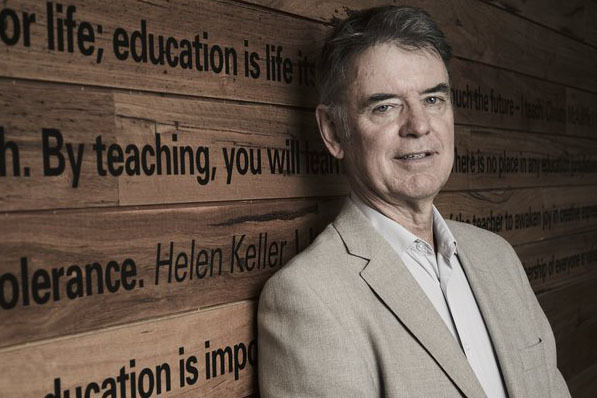
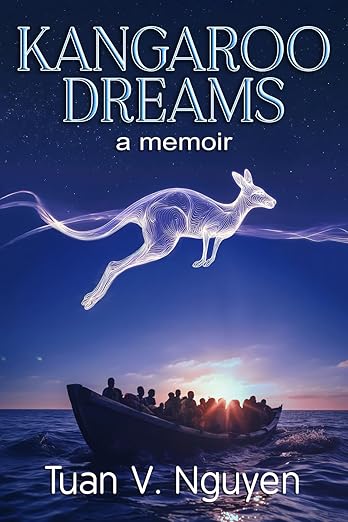
In a new memoir, Kangaroo Dreams, Tuan V. Nguyen, D.Sc., Ph.D., provides a unique perspective on medical research. Nguyen escaped Vietnam in 1981 as part of the mass “boat people” exodus of refugees, taking to dangerous waters just a few months after his older brother attempted the same and disappeared. Making his way to Australia through grit and luck in 1982, Nguyen started his new life as a dishwasher before steadily building a career in science, ultimately specializing in bone research.
Nguyen is now distinguished professor of predictive medicine and director of the Center for Health Technologies at the University of Technology Sydney and adjunct professor of epidemiology at the University of New South Wales. He’s also a Leadership Fellow of the Australian National Health and Medical Research Council and a member of the Order of Australia. Dedicated to the memory of his lost brother, Kangaroo Dreams weaves Nguyen’s personal journey with a thoughtful examination of contemporary medical research. We interviewed him in writing to learn more. (Responses have been lightly edited for length and clarity.)
Retraction Watch: You were co-author on a 1994 Nature paper subsequently corrected in 1997 which reported individuals with a particular vitamin D receptor gene benefitted from relatively high bone mineral density. When the research team made this finding, you write, “A nagging unease, however, bothered me. The results, while undeniably impressive, seemed almost too good to be true.” The team published the findings only to discover – after a Nature reader challenged the results – that a lab member who was ill likely contaminated samples, skewing the results. Did you regret not having pushed harder on your initial doubts? What held you back?
Continue reading Corrections, biases, and humility in science: Q&A with Tuan V. Nguyen