Guest post: A call to end the ‘impact on conclusions’ test for retraction

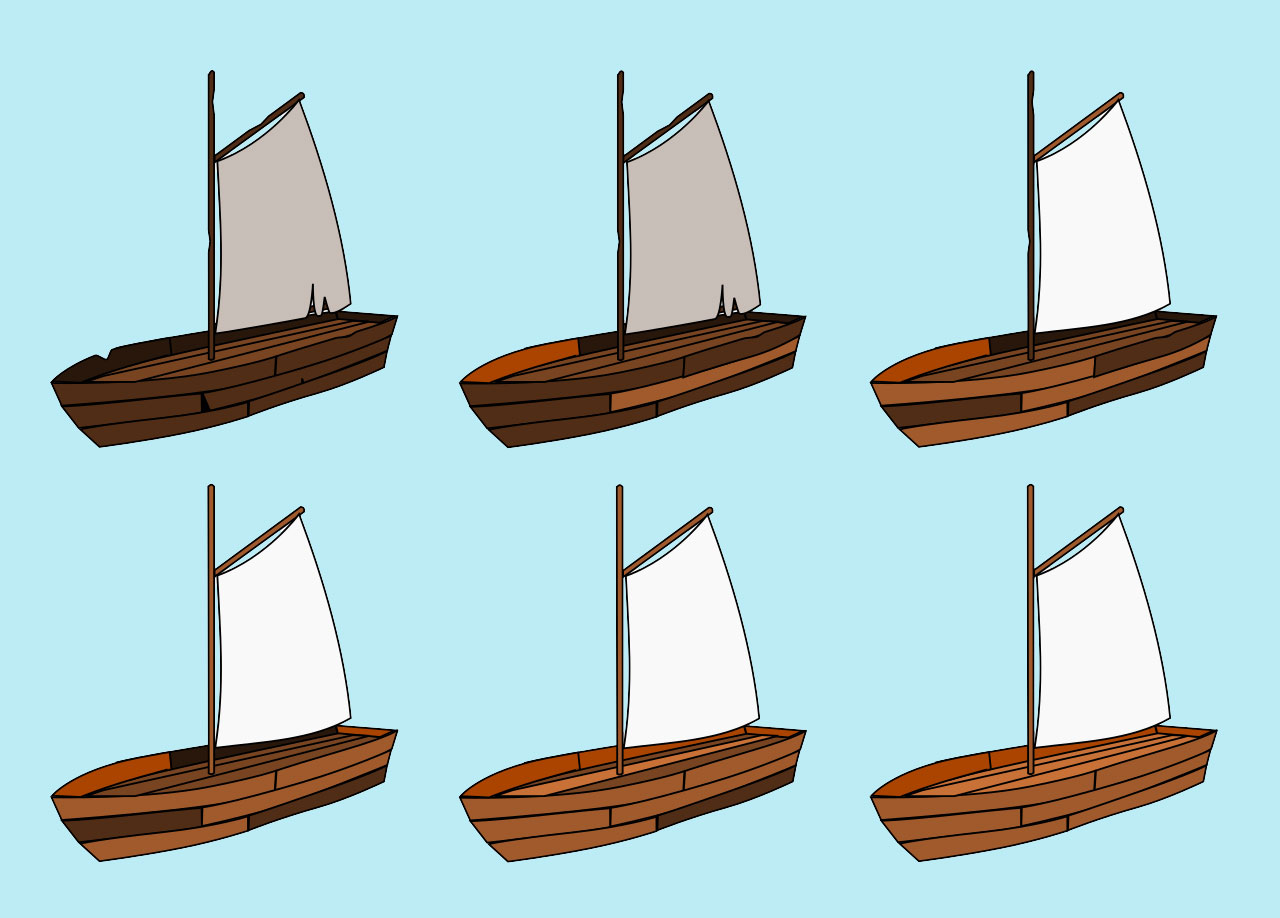
The Ship of Theseus paradox asks, if you replace all the wood in a ship, is it still the same ship? Likewise, is it possible to change all the facts inside an article without altering its conclusions? Wikimedia Commons

As a lawyer representing whistleblowers of problems in the scientific literature, I follow the arc of many fierce disputes over potentially flawed research articles. I was intrigued to see last year that the National Academies had convened a Committee on Corrections and Retractions to take on the question of “recommending improvements to the processes used to correct errors in scientific articles.” The group is nearing the end of its work. 

One of the most important issues that I hope the committee will address is the pervasive “impact on conclusions” test. This is the idea that the authors of a challenged article can make as many post-publication corrections to their methods or data as they like, as long as these have no impact on their conclusions. Indeed COPE guidance states that “retraction might not be appropriate” if “correction would sufficiently deal with the errors or concerns raised, provided that the main results and conclusions are not unduly affected by the correction.”

This focus on conclusions reminds me of the Ship of Theseus paradox. If the ancient Athenians were able to replace all the wood in the ship of their hero without changing its identity as the Ship of Theseus, is it possible to change all the facts inside an article without altering its conclusions? 

Continue reading Guest post: A call to end the ‘impact on conclusions’ test for retraction

How academic leaders should respond to shock and awe

Eugenie Reich

The first weeks of the second Trump administration have brought unprecedented shock and awe to science. In response, the leaders of the scientific community must cease their hand-wringing and align behind two strong approaches to dealing with the chaos: protest and candor.

I write these words as an attorney representing whistleblowers of scientific fraud. Prior to law school, I was an investigative journalist focused on this same phenomenon. Today I represent scientists and technical experts independent of whether the falsified data they have uncovered support a political agenda. Twenty years of experience investigating, exposing and, when necessary, litigating cases of scientific fraud, has, however, led me to think in terms of a different kind of politics: the politics of nonconfirmatory data. Any research-based organization – a university, a healthcare provider, a laboratory or a corporation – faces a daily challenge from data gathered by scientists within that contradict the scientific hypotheses that are bringing in the money.

Continue reading How academic leaders should respond to shock and awe

Guest post: When whistleblowers need lawyers

Eugenie Reich

In my prior career as an investigative science journalist and now as a whistleblower lawyer, I’ve seen institutions react to allegations of scientific fraud in two ways. 

The first could be called “Investigate and Disclose.” This strategy was exemplified by Bell Laboratories’ 2002 investigation of allegations that Jan Hendrik Schön, a member of the technical staff, mishandled data. The allegations were published in The New York Times in May. In September, Bell Labs released a thorough report on its inquiry revealing fabrications in multiple Nature and Science papers, which were promptly retracted. The report made possible a 2009 book I wrote about the scandal, because once a proper investigation began (and it took a while to get going), the company clarified within months that Schön had faked his data. 

The second, more common response is “Delay and Deny” or “Delay and Downplay,” which is a more common – but insidious – strategy. A Delay and Deny response is not helpful to anyone outside a tiny inner circle of administrators, irrespective of the merit of the allegations.

Continue reading Guest post: When whistleblowers need lawyers