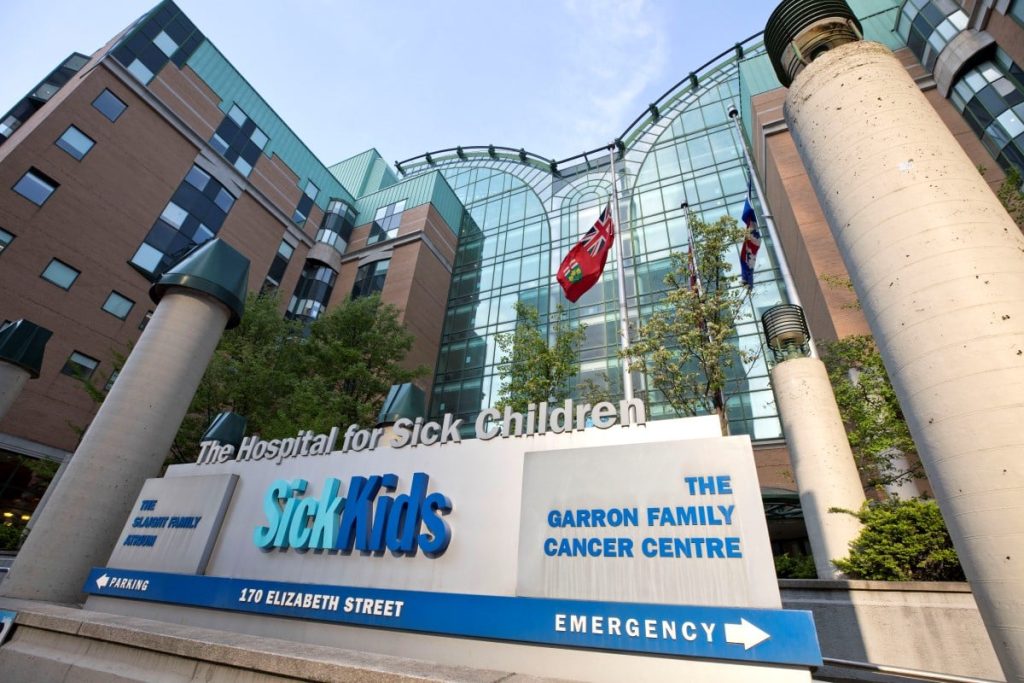
The Lancet has put an expression of concern on a 2006 case report of a baby’s death purportedly from morphine poisoning through breast milk. The decision comes just days after the New Yorker published a year-long investigation into the death and the controversies that have surrounded it.
The case report described the 2005 death of a baby boy whose mother had been prescribed Tylenol 3, which contains codeine. Gideon Koren, founder of the now-defunct Motherisk Drug Testing Laboratory at the University of Toronto’s Hospital for Sick Children, used the case for years to claim codeine – which gets metabolized to morphine in the body – can pose a lethal risk to breastfeeding infants.
“It feels like an element of vindication,” David Juurlink, professor of medicine and pediatrics at the University of Toronto, told Retraction Watch of the expression of concern. Juurlink, a pharmacologist and toxicologist who has been pursuing this case for over a decade, requested The Lancet retract the article in 2020, when he and a colleague published a review article calling into question key elements of the case report. The paper, he said, “really does serve as the foundation of an entire branch of pediatric pharmacology that shouldn’t exist.”
Koren, a pediatrician and pharmacologist, resigned from the Hospital for Sick Children, known as SickKids, in 2015 following an investigation into Motherisk, a lab which tested for perinatal exposure to drugs and alcohol, including for criminal and child protection cases. The investigation, prompted by coverage in the Toronto Star, found the Motherisk lab’s test results were “inadequate and unreliable,” the newspaper reported. The investigation brought more than 400 of Koren’s papers under scrutiny by the hospital.
In 2008, The Lancet published a letter raising questions about some of the conclusions in the 2006 report. Toxicologist Nicholas Bateman and colleagues questioned whether the dose of morphine delivered by breast milk could actually be fatal. In response, Koren and colleagues attributed the dose to the fact that the mother was a rapid metabolizer of codeine, meaning her body more readily converts codeine into morphine.
The case report came under scrutiny again in 2020, when Juurlink and pharmacologist Jonathan Zipursky published a review outlining the unlikelihood of morphine toxicity occurring through breast milk. They noted the morphine concentration in the breast milk sample was relatively small, even with the mother being a rapid metabolizer, and the baby had a codeine — not morphine — blood concentration 100 times higher than would be expected from breast milk.
That 2020 review culminated in coverage in the Star and a request for retraction to The Lancet, as well as requests for retraction for columns Koren had published in Canadian Family Physician and Canadian Pharmacists Journal. The two Canadian journals consulted two external experts and ultimately decided to retract the articles, based on “clear evidence that the findings are unreliable,” the joint retraction statement said.
The Lancet referred the matter to SickKids to investigate, and the hospital concluded the matter was simply a “scientific disagreement,” the Star reported in 2023.
“They went to Gideon Koren and three of his coauthors on the paper, and they said, ‘Do you stand by your findings?’” Juurlink told us. “In no universe is that a competent investigation.”
Parvaz Madadi, who had been a Ph.D. student in Koren’s lab, had been named as a coauthor on the two retracted papers. But she told the New Yorker she didn’t write either paper.
On January 20, days before the New Yorker story appeared, Madadi wrote to The Lancet asking them to retract the 2006 article. The move came after Madadi reviewed her past work and the case report.
“At the core of her letter is a new allegation: that Koren falsified toxicological data,” the New Yorker article states. Madadi confirmed those details for us but declined to comment further, pending the outcome of the investigation. According to the Feb. 3 retraction notice, “The Lancet was contacted with new allegations of falsification of toxicological data, authorship issues, and ethical concerns about the Case Report with a renewed call for retraction.”
Juurlink told us he wrote to The Lancet last week to reiterate the scientific issues with the paper. “It should be retracted because it is unreliable on account of major scientific error,” he said.
According to the notice, The Lancet is once again referring the matter to SickKids for investigation. The Lancet declined to comment further.
Koren moved to Israel after being dismissed from SickKids in 2015. As of 2022 he was affiliated with the Ariel University Adelson School of Medicine, but he is not currently listed among the faculty, and we were unable to find current contact information for him. The New Yorker reported he could not be reached for comment.
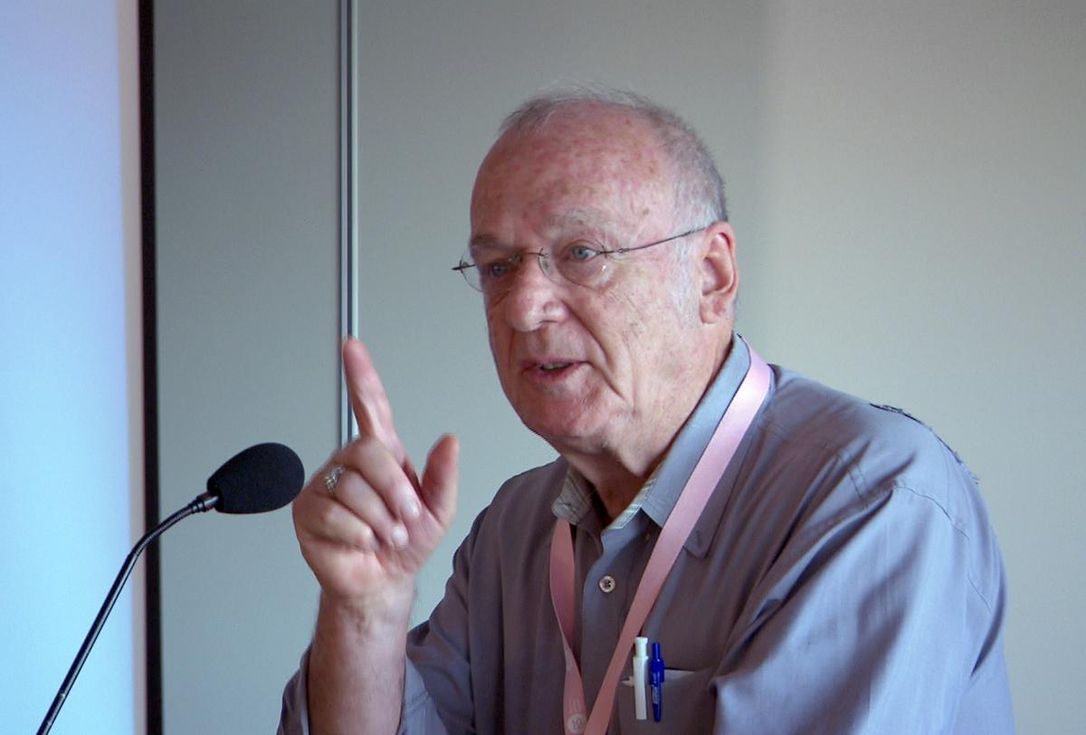
In 2019, a journal retracted a paper of Koren’s “due to concerns regarding academic and research misconduct,” including publishing the paper without his coauthor’s consent, as we reported at the time. Koren has six retractions, by our count.
The New Yorker article describes David Naylor, the former interim president and CEO of SickKids, referring to the hospital’s faculty “screening endless manuscripts” and “devising strategies for requesting retractions of Koren’s most egregious works.”
Juurlink said the toll of Koren’s unreliable research has been enormous, but the accounting remains incomplete.
“It’s not just about one infant death,” Juurlink said. “It’s about millions of babies not being breastfed because mom’s taking opioids. It’s about women by the millions having their peripartum analgesia modified based upon a myth,” he said. “And critically, it is about infant deaths that have been mistakenly attributed to breast milk because of this whole narrative.”
He added: “I think it is now incumbent upon the Hospital for Sick Children to get it right this time.”
Like Retraction Watch? You can make a tax-deductible contribution to support our work, follow us on X or Bluesky, like us on Facebook, follow us on LinkedIn, add us to your RSS reader, or subscribe to our daily digest. If you find a retraction that’s not in our database, you can let us know here. For comments or feedback, email us at [email protected].
Not surprised. You can never go wrong in research for being a shill to the drug war.
Koren produced garbage science for YEARS. Person decades have been spent trying to correct the record. This is shameful, with active cover up and a major journal that worries more about its reputation than it does about human health. profoundly wrong
It is unfortunate that scientific periodicals, such as the Lancet, with its vaunted “the best science for better lives”, appear to be conducted in the manner reminiscent of university administrations that keep bowing to pressure from donors at the expense of their own students and the right of freedom of speech. When a specific study, particularly one that touches the lives of countless mothers and babies, has been shown to be wrong or misleading, it should not be merely flagged. The periodical should include, and/or refer, to studies that clearly demonstrate the fallacy of the original study, particularly one with such wide circulation and incalculable results. A mere flag does little.